


Key Takeaways
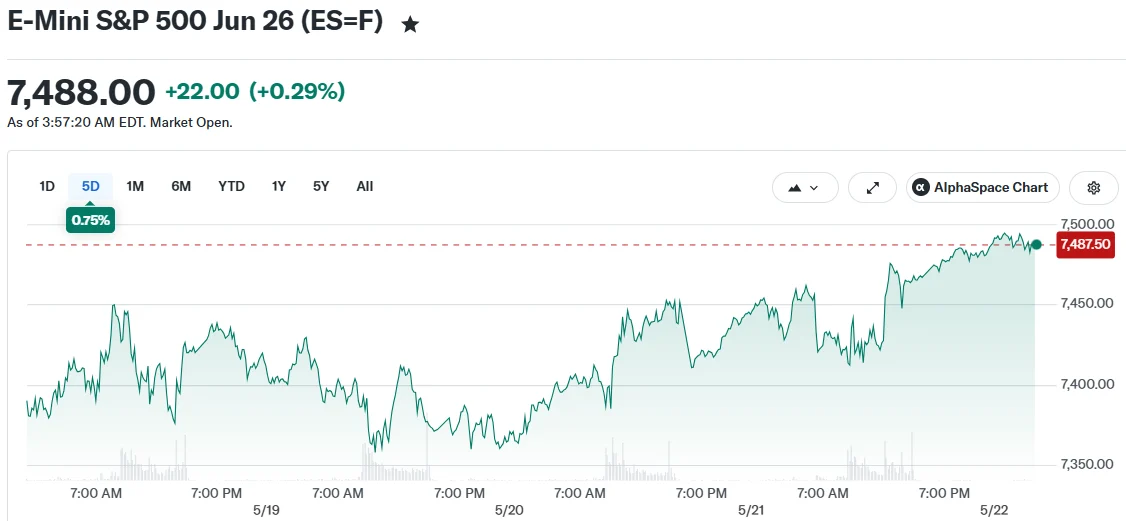
- UBS Global Wealth Management increased its S&P 500 year-end 2026 projection to 7,900, up from the prior 7,500 estimate
- Steady household consumption patterns remain a primary catalyst for the upgraded outlook
- Surging investments in artificial intelligence data center capacity drive additional optimism
- American equities reached record levels even amid ongoing Middle Eastern geopolitical tensions
- Robust first-quarter earnings results reinforced confidence in the bullish forecast
UBS Global Wealth Management has elevated its 2026 year-end projection for the S&P 500 index to 7,900. The new figure marks an increase from the financial institution’s earlier estimate of 7,500.
According to research published on May 21, the Swiss banking institution identified two critical factors driving this upward adjustment: sustained household spending power and accelerating investments in data center capacity.
The infrastructure build-out stems from explosive growth in artificial intelligence applications. Technology firms and enterprises have been allocating substantial capital toward expanding computational capabilities required to power AI platforms and solutions.
American equity markets have surged to unprecedented levels in recent trading sessions. This advance occurred despite persistent concerns surrounding energy security related to tensions in the Middle East.

UBS noted that growing expectations for a diplomatic breakthrough in the region helped stabilize market sentiment. This development, alongside other constructive indicators, propelled stock prices upward.
Solid Corporate Results Bolster Optimistic View
First-quarter financial performance across corporate America exceeded expectations. UBS identified these earnings outcomes as a significant contributor to its enhanced market forecast.
Businesses across various sectors delivered results that demonstrated fundamental strength. This performance provided both professional analysts and market participants with increased conviction regarding the trajectory of U.S. equity valuations.
Consumer expenditure patterns remained stable throughout the period. UBS interpreted this trend as evidence of ongoing economic durability among American households, which provides a foundation for corporate revenue generation.
Artificial Intelligence Powers Capital Expenditure Surge
The banking firm emphasized AI-related investment as an enduring expansion catalyst. Appetite for the foundational systems that enable artificial intelligence applications continues to intensify.
Data processing facilities demand substantial electrical capacity, specialized equipment, and physical space. Capital allocation toward these resources has generated consistent revenue streams for technology sector participants.
UBS characterized this investment cycle as a fundamental pillar supporting its perspective on American equities. The institution anticipates this momentum will persist throughout the remainder of 2026.
The S&P 500 benchmark has established fresh all-time highs. The index’s trajectory reflects widespread confidence spanning both consumer-oriented industries and technology segments.
Geopolitical challenges and broader economic uncertainties persist as background considerations. However, UBS maintained that these headwinds have proven insufficient to counterbalance the constructive dynamics it identified.
The upgraded 7,900 target constitutes a notable upward shift in Wall Street consensus expectations. Competing financial institutions may reevaluate their own year-end forecasts following this announcement.
UBS Global Wealth Management ranks among the world’s largest wealth advisory organizations. Its market projections command significant attention from both institutional asset managers and individual investors.
The analysis was released on May 21, 2026. It captures the firm’s current outlook as markets transition into the latter half of the calendar year.
