


Key Takeaways
- Samsung Electronics confronts an unprecedented 18-day work stoppage involving more than 47,000 employees after compensation discussions broke down on May 21
- Shares of the tech giant dropped approximately 3% on South Korea’s stock exchange immediately after negotiations failed
- The workforce is seeking performance bonuses equivalent to 15% of yearly operating income and elimination of the current 50% salary bonus limitation
- The company turned down a government-brokered settlement offer, citing unreasonable worker expectations
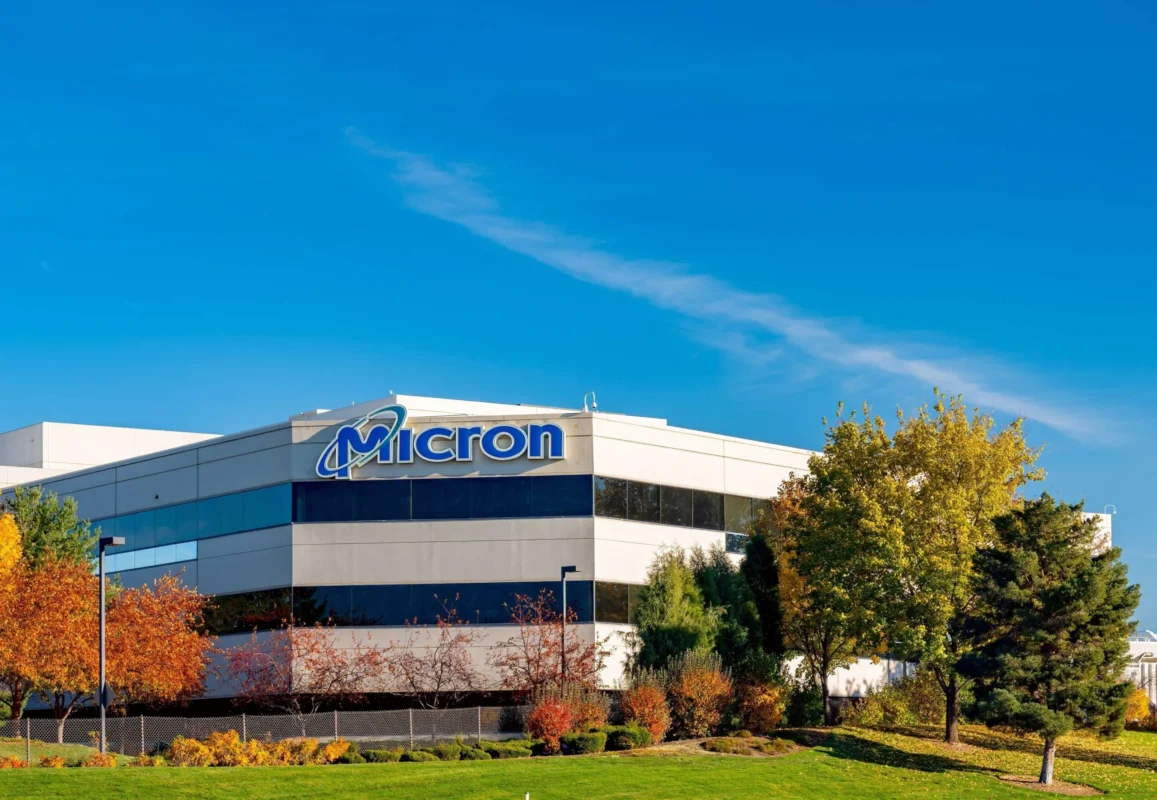
- Rival chipmakers Micron and SanDisk experienced gains during early U.S. trading as market participants anticipated possible production interruptions
Samsung Electronics finds itself grappling with an unprecedented labor dispute. An 18-day work stoppage commenced Thursday, May 21, involving over 47,000 employees after compensation negotiations reached an impasse.
The industrial action materialized following the breakdown of a government-facilitated agreement. Samsung’s labor organization had initially accepted the framework proposed by South Korea’s National Labor Relations Commission. The corporation requested additional time for review before ultimately rejecting the terms.
Union representative Choi Seung-ho expressed frustration with the outcome. “We express deep regret that the post-mediation process was terminated due to the delay in management’s decision-making,” Choi stated.
The technology giant countered by asserting the union’s proposals “could undermine the fundamental principles of company management.” Management emphasized its continued willingness to negotiate.
Employee Compensation Demands
The central issue revolves around Samsung’s performance pay structure. The workforce seeks bonuses calculated at 15% of the corporation’s yearly operating income. This percentage exceeds the 10% threshold that employees at competitor SK Hynix accepted.

Additionally, workers demand elimination of the existing restriction that caps bonus distributions at 50% of individual annual compensation. They’re advocating for a codified bonus framework and assured payments for staff in divisions reporting financial losses.
Kamil Dimmich, analyst at North of South Capital, noted that permanently eliminating the bonus ceiling would negatively impact Samsung’s earnings potential.
The company’s shares declined roughly 3% on the Korea Exchange following the announcement. However, by market close Thursday, the stock had rebounded significantly, finishing down just 0.2% after experiencing intraday losses as steep as 4%.
Government Intervention and Competitor Dynamics
South Korean President Lee Jae Myung alongside Prime Minister Kim Min-seok pressed both parties to find common ground before time ran out. The Prime Minister indicated the administration might deploy emergency protocols if the labor action posed risks to the broader economy.
South Korean legislation empowers the labor minister to issue an emergency adjustment directive that could halt the strike for as long as 30 days.
A South Korean judicial body additionally determined that strike activities must not compromise safety protocols or harm semiconductor production machinery.
Samsung represents approximately one-quarter of South Korea’s aggregate export volume and maintains its position as the globe’s premier memory chip manufacturer.
Market Opportunities for Industry Competitors
Micron experienced a 3.9% increase during Thursday’s premarket session. SanDisk registered a 2.2% advance. Market participants are evaluating whether an extended work stoppage might constrain Samsung’s chip production capacity and create advantages for competing firms.
Jordan Klein, analyst with Mizuho, projected that supply “is going to remain well below DRAM and NAND demand all 2026 and probably all 2027.” He suggested that pricing dynamics should persist at elevated levels.
SK Hynix shares concluded the trading session unchanged.
Current Wall Street sentiment indicates a Moderate Buy rating on Samsung’s American-traded shares, featuring a consensus price target of $149.40, suggesting potential appreciation of approximately 6.71%. The equity has delivered gains of roughly 115% year-to-date.
