


Key Takeaways
- Michael Burry expanded holdings in MercadoLibre, Adobe, PayPal, Lululemon, and Zoetis during recent market movements.
- His MercadoLibre purchase occurred around the $1,500 price level, which he considers a compelling value for long-term growth.
- Burry established a significant position in Lululemon, viewing the athletic apparel company as mispriced.
- The legendary investor cautioned that artificial intelligence investments are forming a bubble reminiscent of the late-1990s technology mania.
- Recent figures reveal that 87% of all venture capital funding is currently directed toward AI-focused enterprises, echoing 1999 investment patterns.
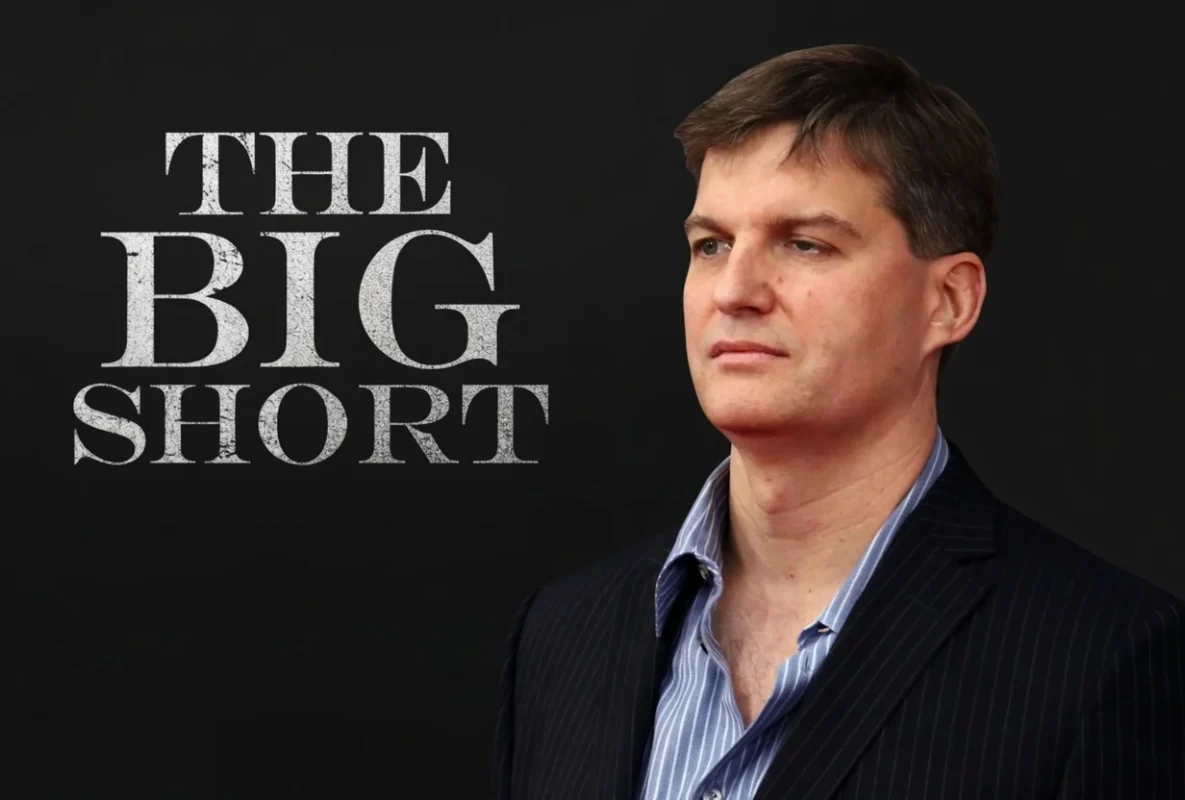
Michael Burry, whose prescient bet against subprime mortgages was immortalized in The Big Short, has been strategically accumulating shares in companies he believes are being unfairly neglected by markets obsessed with artificial intelligence.
The renowned investor revealed on Monday his latest acquisitions spanning five distinct corporations: MercadoLibre, Adobe, PayPal, Lululemon Athletica, and Zoetis.
Burry outlined his investment philosophy through a Substack publication, characterizing these positions as beneficiaries of a “mass whale fall” occurring far from the market’s center of attention.

Breaking Down Burry’s Stock Selections
The investor disclosed that he bolstered his MercadoLibre position when shares traded in the middle-$1,500 territory. He characterized the Latin American e-commerce and fintech giant as a pristine long-term investment opportunity currently trading below fair value due to its international footprint.
Burry simultaneously increased his exposure to Adobe and PayPal, while highlighting Zoetis — a veterinary pharmaceuticals and diagnostics company — as an exceptional opportunity requiring disciplined patience.
Perhaps his most substantial allocation went to Lululemon, where he initiated what he termed a complete position size.
Burry’s investment rationale centers on a simple premise: these quality businesses are being systematically ignored as capital rushes toward anything connected to artificial intelligence.
Drawing Parallels to the Dot-Com Mania
Burry established an explicit parallel to the 1999 technology bubble. During that period, established economy companies and international businesses were systematically abandoned as speculative capital concentrated in internet and telecommunications ventures.
He referenced research from Apollo’s Chief Economist Torsten Slok demonstrating that an overwhelming 87% of venture capital investments currently flow into AI-associated companies.
Furthermore, artificial intelligence-linked borrowers represent nearly half of all investment-grade corporate bond offerings and approximately 38% of high-yield debt issuance.
Burry noted that over $100 billion worth of investment-grade corporate debt issued throughout the 1999–2000 technology frenzy subsequently suffered downgrades to speculative status within several years.
He characterized the present environment as a textbook asset bubble.
The companies Burry has targeted have all experienced meaningful declines from recent peaks. Lululemon has suffered particularly steep losses throughout the past twelve months. Adobe continues fielding skepticism regarding its expansion trajectory. PayPal has found it challenging to restore market credibility.
MercadoLibre, despite operating a fundamentally sound business model, has encountered headwinds stemming from its substantial exposure to Latin American currency fluctuations and emerging market volatility.
Zoetis functions within the animal healthcare sector, operating largely independent of the technology investment frenzy.
Burry’s investment hypothesis suggests that capital reallocation away from these quality names — propelled by artificial intelligence euphoria — has generated attractive entry points.
His documented success record lends credibility to his contrarian positioning. He famously anticipated the United States housing market implosion ahead of the 2008 financial catastrophe.
Whether these particular investments deliver anticipated returns remains uncertain, but Burry’s regulatory disclosures have successfully redirected market attention toward a collection of stocks that have largely remained sidelined during the recent equity market advance.
