


Key Takeaways
- In late May 2026, Blue Origin experienced a catastrophic failure when its New Glenn rocket exploded at Cape Canaveral, causing significant infrastructure damage.
- Within seven days of the incident, Jeff Bezos announced on X that the company has identified a “solid path forward” to resume launches before year-end.
- AST SpaceMobile shares plummeted 15% immediately following the explosion and continue trading approximately $26 below pre-incident prices.
- Supplier Karman experienced a 13% stock decline to $57.50, where shares have remained relatively stable.
- Despite market volatility, both affected companies maintain their original business projections, with AST targeting early 2027 for commercial operations.
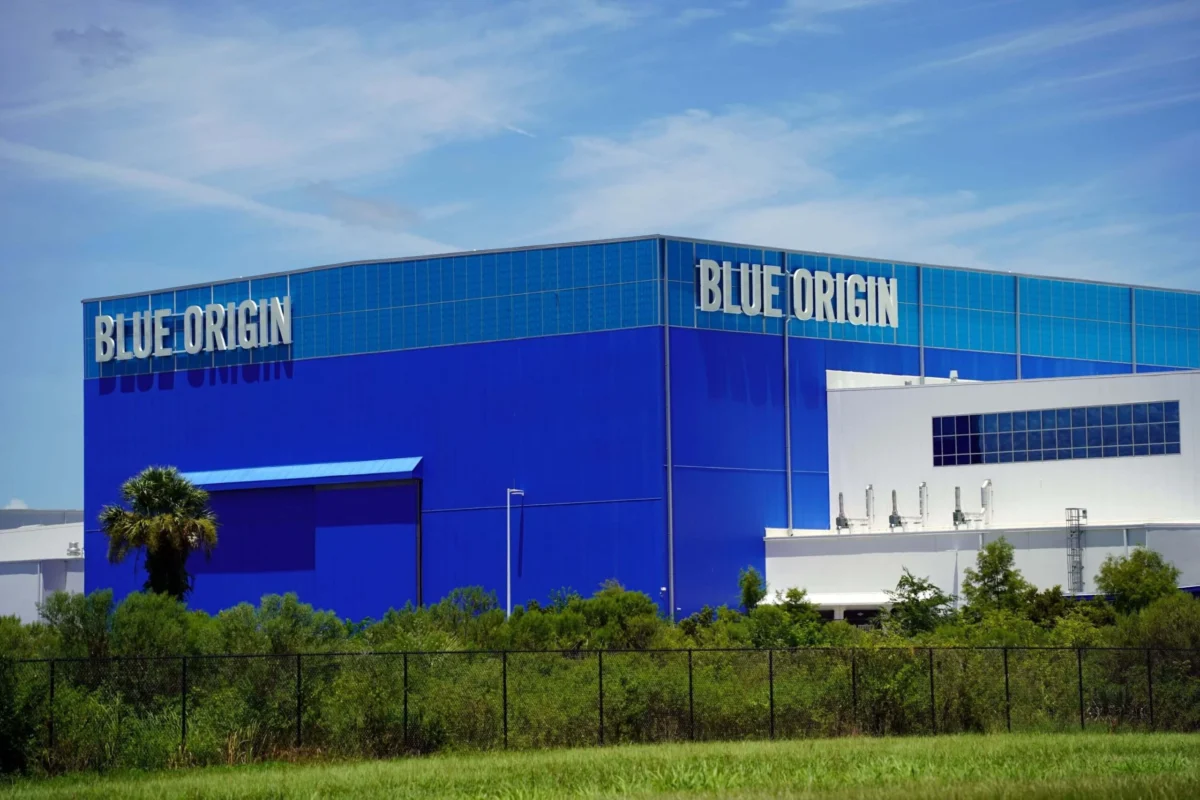
A devastating explosion involving Blue Origin’s New Glenn rocket occurred at a Cape Canaveral, Florida launch facility in late May 2026. The incident caused substantial damage to ground infrastructure and triggered immediate repercussions across space industry equities.
However, Amazon founder and Blue Origin’s owner Jeff Bezos took to X merely seven days post-incident, declaring the team is working “24/7 operation with a solid path forward to launch this year.” Blue Origin’s CEO David Limp had previously expressed similar confidence earlier that week.
Market Reactions to the Launch Pad Disaster
AST SpaceMobile experienced an immediate 15% stock decline the trading day following the explosion. The company’s shares remain depressed, currently hovering around $107—approximately $26 below their value before the incident.

Karman, a critical component supplier for New Glenn’s launch system, saw its stock tumble 13% to $57.50. Trading activity has kept the stock near that price point in subsequent sessions.
Amazon’s stock experienced a modest 1% decline in response to the news.
Adrian Helfort, Westwood’s chief investment officer, characterized the incident as “a pretty big setback, an under-appreciated setback.” He emphasized the vulnerability of relying on limited launch providers. “SpaceX is great, but you can’t have just one supplier,” Helfort warned.
Business Forecasts Remain Unchanged
Notwithstanding the stock market turbulence, AST SpaceMobile and Karman both assert that the explosion hasn’t altered their strategic roadmaps.
During the William Blair 46th Annual Growth Stock Conference this week, AST confirmed its timeline for launching beta direct-to-device services remains on schedule for later in 2026. The company continues targeting the first half of 2027 for full commercial service deployment. Additionally, AST revealed it received authorization for 10×10 spectrum utilization in Brazil.
Karman’s CEO Jon Rambeau stated the mishap shouldn’t impact the company’s space division expansion. He revealed that Karman has already secured over 90% visibility toward achieving the midpoint of its annual revenue forecast, which projects 25% organic growth.
William Blair analyst Louie DiPalma emphasized that Bezos’ confident statements bode well for the space sector. He noted Blue Origin serves as AST’s primary launch provider, while Karman manufactures specialized components for New Glenn including proprietary aerodynamic interstage assemblies and advanced panel protection systems. According to William Blair’s analysis, New Glenn accounts for roughly 5% of Karman’s total business.
New Glenn represents a heavy-lift reusable launch vehicle designed to transport 45 metric tons to low Earth orbit. For context, SpaceX’s Falcon 9 has a payload capacity of approximately 23 metric tons.
The broader space sector has demonstrated strong recent performance. AST shares have surged 68% over the past month. Rocket Lab stock has climbed 52% during the same timeframe, while Firefly shares have gained 31%.
The industry has experienced significant momentum leading up to SpaceX’s anticipated IPO, scheduled to price in the coming week with an estimated valuation approaching $1.8 trillion.
