


Key Takeaways
- SpaceX plans to complete its public debut this week, seeking $75 billion in capital at a staggering $1.75 trillion market cap — potentially the biggest IPO ever recorded
- The Starlink division boasts more than 10 million paying users with Ebitda margins exceeding 60%; Baron Capital forecasts the customer base could reach 300 million within twelve years
- Recent agreements with Anthropic and Alphabet secure approximately $26 billion annually for SpaceX through AI computing infrastructure rentals
- A majority of financial experts polled recommend avoiding immediate purchase, pointing to potential volatility and lack of profitability
- Corporate governance raises red flags — Elon Musk maintains complete voting authority and board oversight
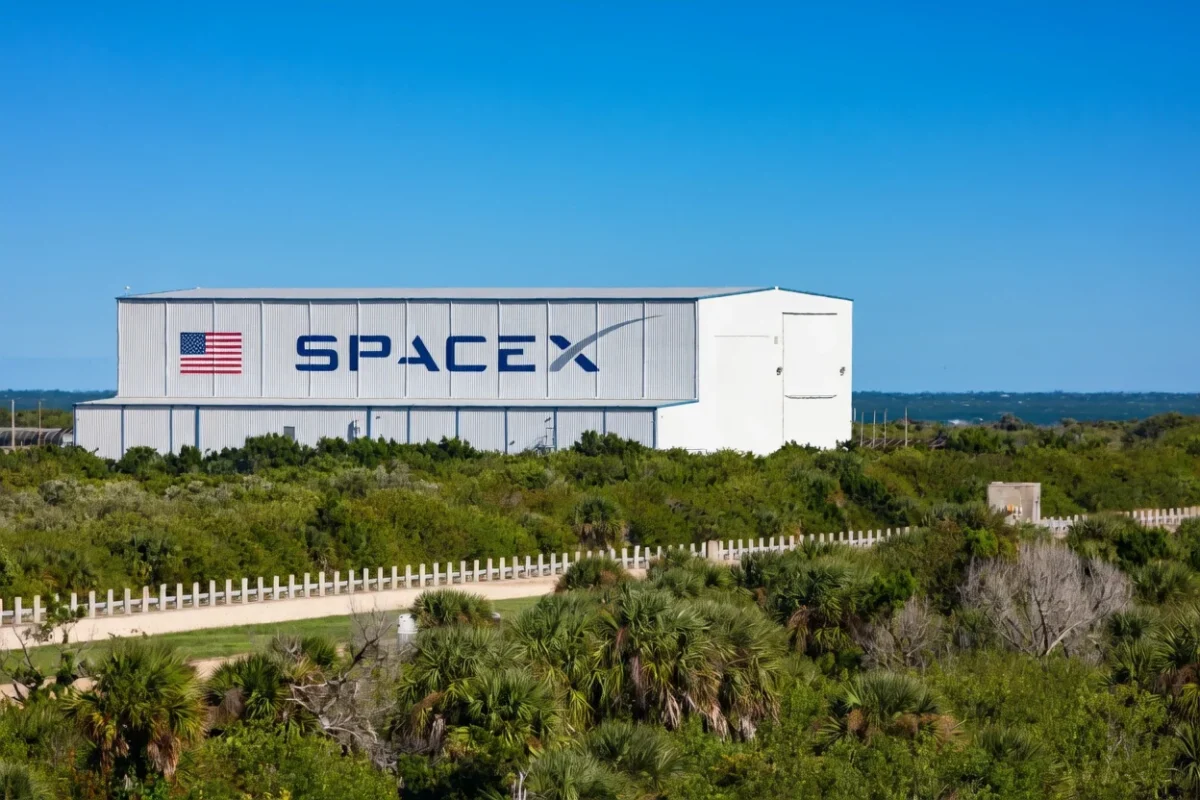
SpaceX is poised to establish its IPO pricing in the coming days. The aerospace company seeks to secure $75 billion in funding, which would establish a market capitalization of $1.75 trillion. This transaction would shatter all previous IPO records.
[[EMBED_0]]
The public offering has created division within the investment community. While certain market participants view this as an exceptional entry point, the majority counsel patience.
Optimistic Outlook
The primary expansion narrative revolves around Starlink, SpaceX’s satellite-powered internet platform. The service has attracted over 10 million paying subscribers while maintaining Ebitda profit margins surpassing 60%.
Ron Baron of Baron Capital anticipates Starlink will reach 15 million users by late 2026, expanding to 300 million subscribers by 2036. These projections suggest potential annual revenues of $500 billion with $300 billion in Ebitda during the mid-2030s timeframe.

The company has expanded operations into artificial intelligence infrastructure. SpaceX recently finalized agreements with Anthropic and Alphabet for computational capacity leasing valued at approximately $26 billion annually. ARK Invest calculates this generates roughly $52 billion in SpaceX revenue.
Elon Musk has publicly outlined intentions to multiply AI computing capacity by 100-fold. Using existing rate structures, this expansion could yield $2.6 trillion in AI rental income potential.
Supporting these ambitious plans is SpaceX’s dominance in orbital launches and advancement of Starship, the company’s completely reusable heavy-duty launch vehicle. Once fully operational, Starship technology could slash orbital access costs from thousands of dollars per kilogram down to mere hundreds.
Pessimistic Perspective
The primary objection centers on the speculative nature of these financial forecasts. Starship remains in development stages. The proposed AI satellite network hasn’t demonstrated viability at commercial scale.
Robert Johnson, a finance professor, noted the valuation “presumes flawless execution of every growth target.” He advised typical investors to avoid participation.
Andy VandenBerg referenced Truist research indicating major technology IPOs experience average maximum declines of 55% during year one. He suggested superior purchase opportunities will emerge later.
Keith Fitz-Gerald cautioned that individual investors are “inadequately equipped” for the institutional trading dynamics that commonly follow prominent market debuts.
Mike Serio highlighted Meta’s experience, which failed to exceed S&P 500 returns until over a decade post-IPO.
Control Structure and Terms
Governance concerns represent a point of widespread consensus. SpaceX’s corporate framework grants Musk absolute authority over voting shares and board composition. Yumi Narita from the New York City Comptroller’s Office characterized it as “unprecedentedly problematic.”
Restriction periods also deviate from conventional IPO standards. Rather than a uniform 180-day lockup expiration, SpaceX implements staggered restrictions partially linked to equity performance.
Barron’s analysis suggested SpaceX represents superior value at $90 per share compared to the anticipated IPO price of $135.
Among eight investment professionals surveyed by Business Insider, six indicated they would decline to purchase shares on the initial trading day.
