


Key Highlights
- Yum! Brands exceeded first-quarter projections with earnings per share of $1.50 versus the anticipated $1.38 and revenue reaching $2.06 billion compared to the $2.04 billion forecast
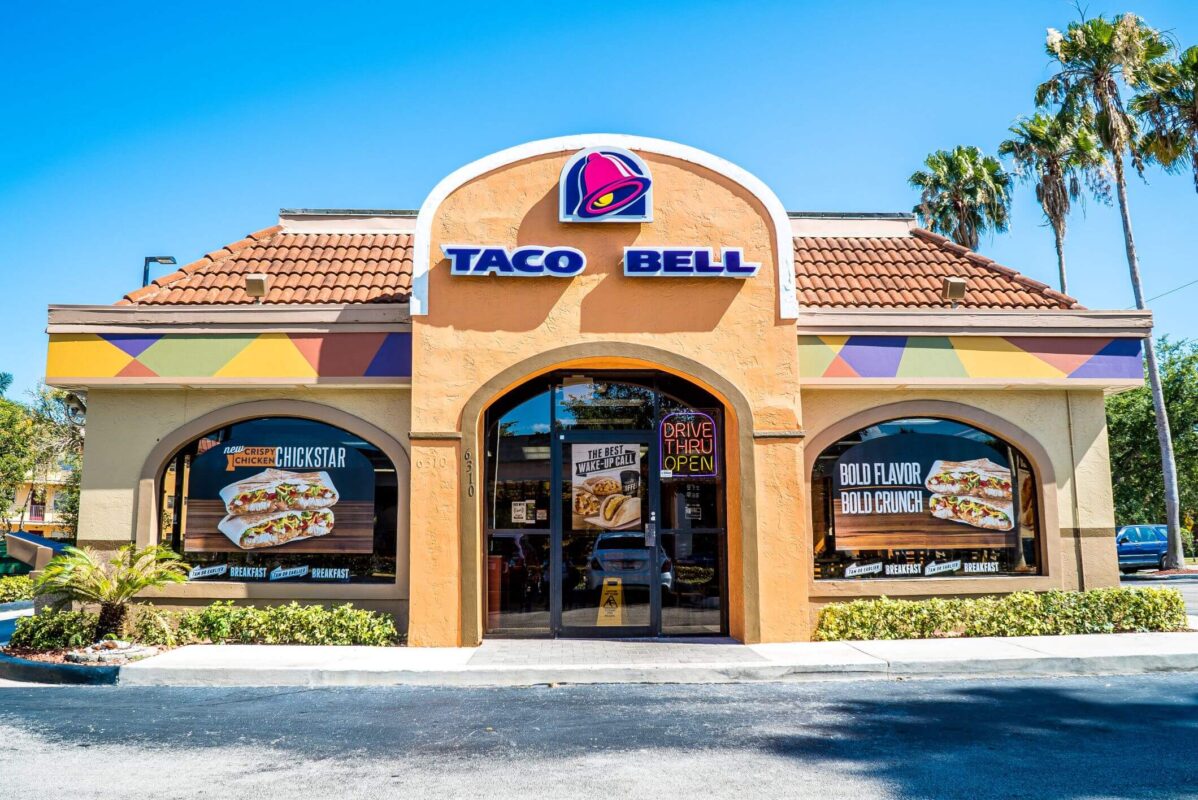
- Taco Bell delivered impressive 8% same-store sales expansion, significantly outperforming Wall Street’s 5.6% projection
- Worldwide same-store sales increased 3%, surpassing analyst projections of approximately 2.5%
- KFC achieved 2% same-store sales growth globally, marginally missing forecasts; domestic system sales declined 2%
- Pizza Hut’s U.S. same-store sales contracted 4%, although worldwide performance exceeded the anticipated 0.7% decline
Yum! Brands delivered an impressive opening quarter, exceeding Wall Street projections across both profitability and revenue metrics. The restaurant conglomerate announced adjusted earnings per share of $1.50, beating the consensus estimate of $1.38, while revenue totaling $2.06 billion narrowly surpassed the anticipated $2.04 billion.
Net profits soared to $432 million, translating to $1.55 per share, a substantial increase from $253 million, or 90 cents per share, during the same period last year. Total net sales advanced 15%, propelled by enhanced revenue streams from corporate-owned locations following Yum’s acquisition of over 100 Taco Bell restaurants throughout the Southeast region in the previous year.
Shares climbed approximately 2.5% following the announcement.

Taco Bell emerged as the undisputed champion of the quarter. The brand’s same-store sales advanced 8% during the period, substantially exceeding the 5.6% projection from StreetAccount. Chief Executive Chris Turner characterized the performance as “outstanding” and “meaningfully ahead of the QSR industry.”
Digital channels also demonstrated remarkable strength. Company-wide digital transactions neared $11 billion, with digital penetration reaching an all-time high of 63%.
The company also revealed intentions to broaden its deployment of artificial intelligence-powered A/B testing across Taco Bell drive-through operations following a successful initial trial in the first quarter. This technology enables the brand to optimize layouts, visual elements, and customer-facing messaging to identify the most effective approaches.
KFC Faces Domestic Headwinds
KFC recorded 2% worldwide same-store sales expansion, falling short of the anticipated 2.5%. Domestically, KFC system sales contracted 2% throughout the quarter. The company has discontinued separate U.S. same-store sales reporting for KFC, a strategic shift suggesting the domestic segment now represents a smaller portion of overall operations.
The United States now ranks as KFC’s third-largest market by system sales volume, trailing China and Europe. Turner emphasized that the domestic operation remains “strategically important,” though acknowledging room for improvement. KFC is prioritizing value propositions and product innovation, incorporating insights from its Saucy concept, which specializes in chicken tenders.
Pizza Hut’s Path Forward Remains Unclear
Pizza Hut experienced a quarter of contrasts. Worldwide same-store sales remained flat, exceeding the forecasted 0.7% contraction, while domestic same-store sales dropped 4%. International locations posted 2% same-store sales growth.
The pizza chain has represented the most challenging component of Yum’s brand portfolio for an extended period. Last November, the company disclosed plans to evaluate strategic alternatives for Pizza Hut. Recent reports identified Apollo Global Management and Sycamore Partners as prospective acquirers.
Yum refrained from offering a formal update regarding this strategic review during Wednesday’s announcement, though the earnings documentation conspicuously featured a breakdown of system sales, location count, and core operating profitability excluding Pizza Hut — suggesting preparation for presenting the business without the brand.
The company opened 1,030 gross new locations during the quarter, maintaining 5% unit expansion. Core operating profitability increased 6%.
Looking ahead, Yum maintains targets of 5% unit growth, 7% system sales growth excluding currency fluctuations, and a minimum of 8% core operating profit growth on average.
