


TLDR
- President Trump indicated to Fortune magazine that interest rate reductions may not occur until the Iran conflict concludes
- Kevin Warsh, the incoming Federal Reserve Chair, hasn’t committed to implementing rate cuts
- Consumer Price Index inflation registered 3.8%, significantly exceeding the Federal Reserve’s 2% objective
- Two-year Treasury yields surged past 4%, marking their peak level for the current year
- The closed Strait of Hormuz continues driving an energy crisis that sustains elevated inflation
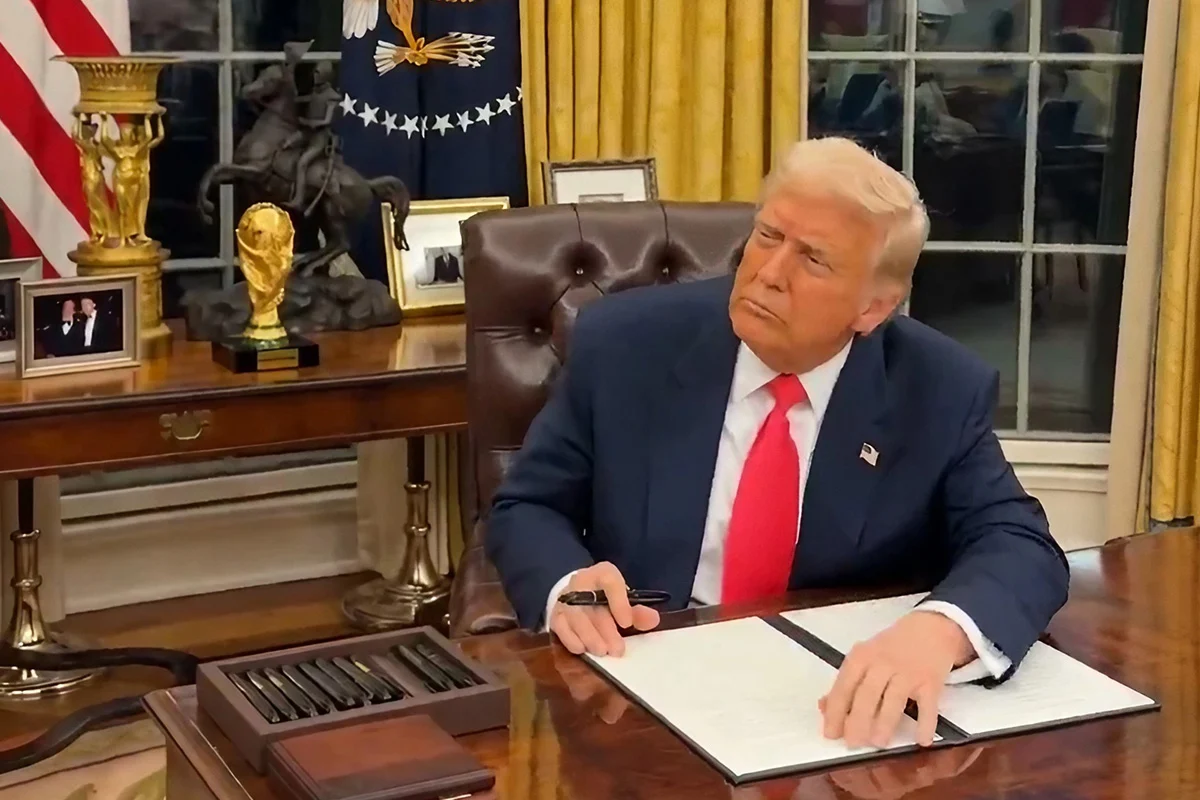
President Donald Trump has indicated that interest rate reductions may need to be postponed until the conclusion of military operations involving Iran. The statement came during a Fortune magazine interview released Monday.
“You can’t really look at the figures until the war is over,” Trump stated.
The President also suggested Iran was eager to reach a ceasefire agreement but claimed the nation repeatedly withdrew from negotiated terms. According to Trump, Iran would provide documentation that bore “no relationship to the deal you made.”
THIS IS REALLY BADD:
🇺🇸🇮🇷 The U.S.-Iran peace deal just collapsed. Again.
Odds of a deal by June 15: dropped to 18%. Instantly.
Oil: back at $105. Instantly.Last week: Trump-Xi summit. Fantastic deals. Partners not rivals.
This weekend: Iran peace deal canceled.Rate hike… pic.twitter.com/pMTeFYGvEV
— Merlijn The Trader (@MerlijnTrader) May 17, 2026
The Middle Eastern military engagement is directly affecting worldwide energy sectors. The Strait of Hormuz, a critical passage for international petroleum transportation, continues to be obstructed. Deutsche Bank analyst Jim Reid informed investors that Trump’s remarks about not requiring the Strait to be operational “at all” have intensified concerns about an extended energy crisis.
The Strait’s closure poses greater challenges for China than for America, given that the United States maintains net energy exporter status. China represents Iran’s largest petroleum customer. Trump’s recent diplomatic mission to Beijing yielded minimal tangible outcomes, though Chinese officials acknowledged the Strait’s eventual reopening as necessary.
Kevin Warsh Faces Intensifying Economic Challenges at the Fed
Kevin Warsh, who will assume leadership of the Federal Reserve, informed Senate members he hasn’t made guarantees regarding interest rate reductions. During his April confirmation proceedings, he declared that “inflation is a choice.”
Warsh has discussed artificial intelligence’s capacity to enhance productivity, viewing this as a potential justification for future rate easing. However, financial markets aren’t anticipating reductions in the immediate future.

The most recent consumer price index data showed 3.8%, considerably above the Federal Reserve’s 2% benchmark. This substantial difference complicates justification for near-term rate decreases.
Treasury yields have climbed across various maturities. Two-year Treasury yields jumped beyond 4% recently, establishing their highest point for the year. Both 30-year and 20-year yields currently exceed 5%.
Bond Markets Indicate Caution About Future Cuts
Increasing long-term yields effectively restrict financial conditions without requiring Federal Reserve intervention. Several market observers suggest this situation might provide Warsh justification to implement modest short-term rate reductions as a counterbalancing measure.
RSM’s chief economist Joseph Brusuelas noted that elevated inflation expectations require the Federal Reserve to consider the possibility of continued price increases. “He may get the chance to prove he actually believes it,” Brusuelas commented, referencing Warsh’s confirmation hearing testimony.
The 2-year Treasury typically functions as an indicator of market expectations for rate trajectories over coming years. Its significant rise above 4% this week demonstrates that investors aren’t anticipating reductions in the near term.
Currently, Trump’s advocacy for reduced rates confronts substantial economic data suggesting the opposite direction. Until inflation moderates and the Iranian situation stabilizes, interest rate cuts remain improbable.
