


Key Takeaways
- Worldwide military expenditures keep climbing as NATO obligations intensify and global conflicts escalate
- RTX (RTX) Stock operates across missile systems, jet propulsion, and civilian aviation through three core business units
- Lockheed Martin (LMT) Stock maintains substantial government contract reserves, positioning it for sustained revenue
- AeroVironment (AVAV) Stock updated forecasts upward following impressive quarterly performance and diversification into orbital and cybersecurity domains
- Unmanned aerial vehicle innovation represents a rapidly accelerating niche within military technology
Military appropriations globally are on an upward trajectory. Nations are channeling increased resources into precision weaponry, unmanned systems, and sophisticated defense platforms. This expansion has positioned defense equities as a sector commanding significant investor attention.
Here are three corporations financial analysts are monitoring closely.
RTX Corporation
RTX stands as one of the most comprehensively diversified players in the military and aviation sectors.

The corporation functions through three primary segments: Raytheon, Pratt & Whitney, and Collins Aerospace. This structure provides comprehensive coverage spanning missile technologies, combat electronics, propulsion systems, flight instruments, and civilian aircraft markets simultaneously.
Missile protection systems have emerged as a significant catalyst for RTX’s expansion. Nations worldwide are allocating greater budgets toward air-defense infrastructure and guided munitions. The firm maintains extended production commitments, including contracts for Tomahawk cruise missiles.
Its civilian aerospace division contributes an additional revenue channel independent of governmental appropriations, providing important business equilibrium.
Lockheed Martin Corporation
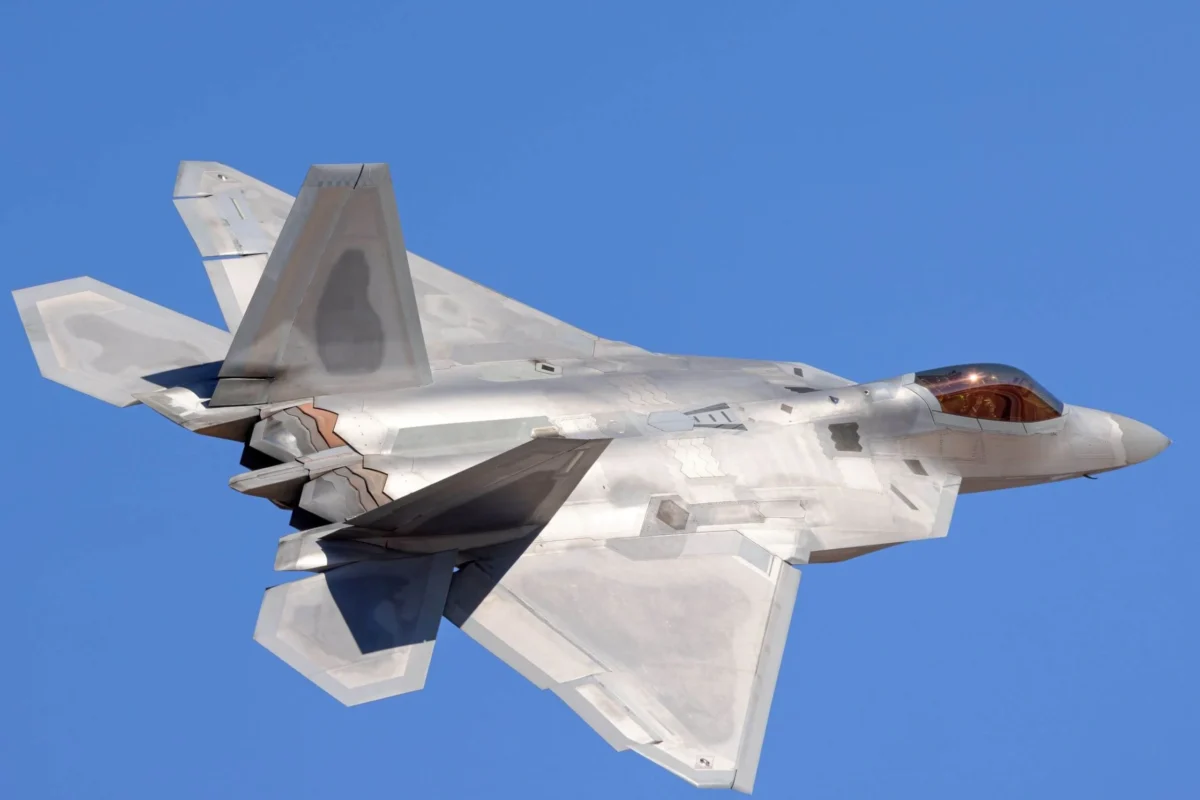
Lockheed Martin is widely recognized for producing the F-35 stealth fighter, though its operations extend considerably beyond combat aviation.
Lockheed Martin Corporation, LMT
The enterprise also develops missile platforms, orbital technologies, integrated defensive architectures, and sophisticated military telecommunications. It ranks among the world’s preeminent defense manufacturers.
Its contract pipeline represents a fundamental competitive advantage. Extended governmental agreements provide the corporation with dependable projections for incoming revenue and liquidity.
NATO deliberations regarding enhanced defense allocations and requirements for next-generation fighter aircraft have maintained Lockheed’s prominence among institutional investors. The corporation also distributes dividends, attracting those seeking income generation.
AeroVironment, Inc.
AeroVironment pursues a distinctive strategy within the defense landscape.
The organization specializes in autonomous unmanned aircraft, loitering attack systems, and anti-drone technologies. Its recent acquisition of BlueHalo incorporated new competencies across space platforms, directed energy weapons, and cyber warfare defense.
Contemporary military engagements have demonstrated the critical importance of unmanned platforms in combat operations. Governmental entities are expanding investments in this domain, positioning AeroVironment as a primary beneficiary.
The company recently reported robust quarterly earnings and elevated its forward guidance. Industry analysts consistently emphasize drone innovation as among the most rapidly expanding segments within defense technology.
AeroVironment experiences greater share price fluctuation compared to larger contractors such as RTX or Lockheed, yet it simultaneously presents elevated growth opportunities as military transformation progresses toward autonomous capabilities.
Critical Factors for Investors
Each of these three enterprises occupies a distinct position within the defense industry landscape.
RTX delivers the most extensive diversification across multiple domains. Lockheed furnishes stability via extended contractual arrangements and shareholder distributions. AeroVironment presents investment access to next-generation combat technologies.
International defense appropriations demonstrate limited indications of deceleration. NATO alliance members are elevating military expenditures, while requirements for drones, missiles, and advanced defensive systems maintain expansion. These three corporations occupy central positions within that strategic trend.
