


Key Takeaways
- SpaceX Starlink added 11 airline partners in 2026 after securing 22 throughout 2025
- American Airlines plans Starlink installation across 500+ planes beginning in early 2027
- Amazon Kuiper landed Delta and JetBlue deals despite Blue Origin launch complications
- SpaceX controls satellite internet agreements for over 7,000 commercial aircraft worldwide
- Starlink contributed $11.4 billion to SpaceX’s total $18.67 billion revenue in 2025
The satellite internet battle for aviation supremacy shows Elon Musk’s Starlink establishing a commanding position while Jeff Bezos’ Amazon Kuiper struggles to gain momentum. Major carriers are committing to their preferred providers as this critical market takes shape.
SpaceX has onboarded 11 additional airline partners worldwide through 2026, building on 22 partnerships established during 2025—a dramatic acceleration from only three agreements in 2022. The company’s aviation portfolio now encompasses more than 7,000 commercial aircraft, data from Valour Consultancy reveals.
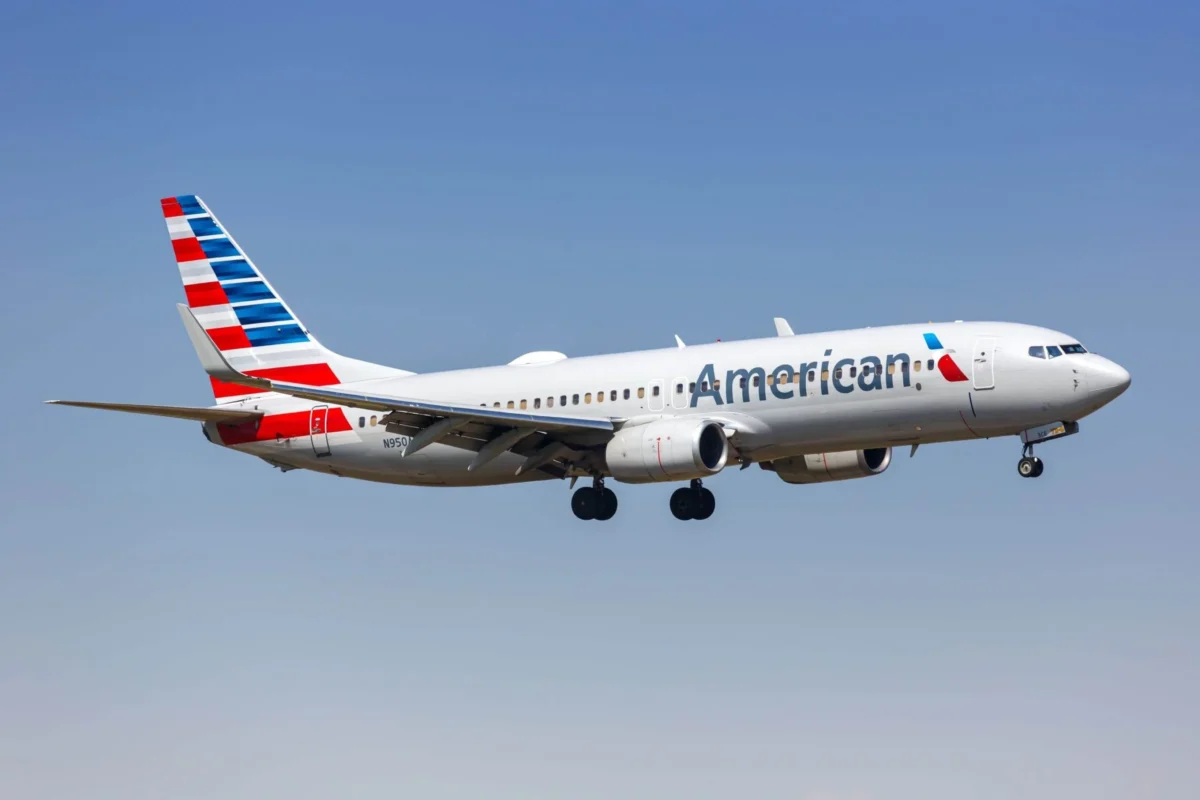
American Airlines revealed in late May plans to deploy Starlink across over 500 narrowbody jets beginning in early 2027. Southwest Airlines has also committed to the service, expecting its inaugural equipped aircraft to enter operation this month, with plans to convert 300 additional planes before year-end.
United Airlines reports that complimentary Starlink connectivity for MileagePlus members currently serves over 25% of daily operations. The carrier anticipates complete fleet deployment by late 2027.

Amazon Kuiper Makes Its Market Entry
Amazon has landed its inaugural aviation contracts through partnerships with Delta Air Lines and JetBlue Airways. Delta chose Amazon Kuiper for an initial deployment across 500 aircraft starting in 2028, leveraging its existing Amazon Web Services infrastructure.
Amazon is marketing a comprehensive technology solution extending beyond internet connectivity to encompass cloud computing infrastructure, in-flight entertainment systems, and e-commerce integration. This holistic strategy appeals to airlines already embedded within Amazon’s commercial ecosystem.
However, significant challenges remain. Amazon’s Kuiper constellation currently operates approximately 330 satellites versus Starlink’s fleet of roughly 10,000. A Blue Origin rocket failure in May damaged critical ground facilities and disrupted deployment timelines. Amazon recently designated Kenya as the location for its inaugural African ground station, advancing its global network expansion.
The Financial Reality of Provider Migration
Deploying satellite broadband systems represents substantial capital investment for airlines. Jefferies research suggests American Airlines’ Starlink implementation could require $150 million to $250 million in hardware and installation expenses, with recurring annual service charges potentially surpassing $60 million.
Changing providers later compounds these costs significantly. Aircraft require service downtime for installation work, hardware lacks cross-platform compatibility, and service agreements typically span multiple years.
Some carriers remain unconvinced. Ryanair CEO Michael O’Leary has rejected Starlink adoption, pointing to implementation costs and increased fuel consumption from additional equipment weight. His position sparked a public exchange with Musk.
For participating airlines, enhanced connectivity extends beyond passenger satisfaction. It integrates travelers into loyalty ecosystems and creates additional marketing opportunities. Delta reports over 163 million SkyMiles members have accessed its complimentary Wi-Fi since 2023.
Starlink produced $11.4 billion of SpaceX’s total $18.67 billion revenue during 2025, establishing it as the company’s dominant income stream. First-quarter 2026 revenue reached $3.3 billion, representing 32% year-over-year growth.
Amazon (AMZN) stock climbed 2% to $250.03 during early trading on June 9. AST SpaceMobile shares, which traded above $133 prior to the Blue Origin incident, stood around $96.99.
