


Key Takeaways
- The low-cost carrier has initiated an organized shutdown following the failure of a proposed $500M federal rescue package
- Negotiations between the administration and Spirit’s debt holders broke down over disagreement on bailout terms
- Skyrocketing aviation fuel prices in the wake of the US-Iran conflict proved fatal for the struggling airline
- The carrier has grounded all scheduled flights with automatic refunds being issued to ticket holders
- Major carriers including American Airlines and United are positioning themselves to capture Spirit’s market share
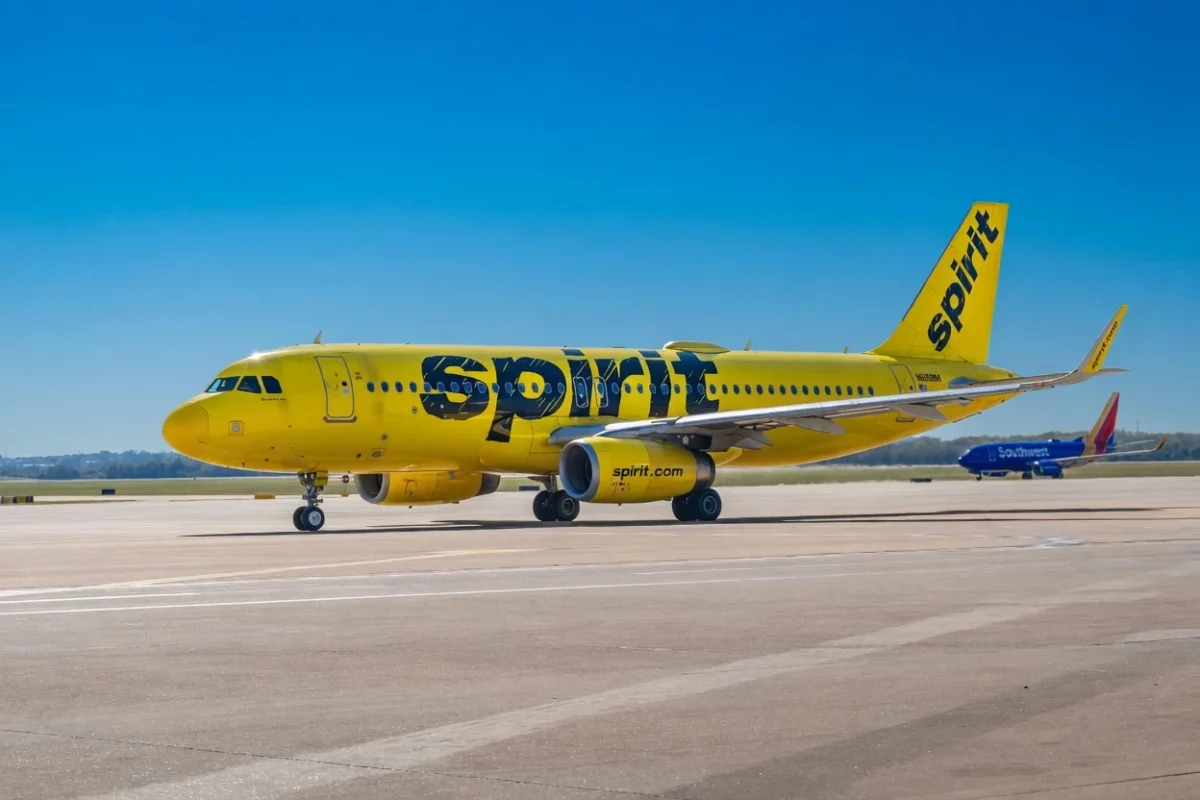
The end has come for Spirit Airlines. The discount air carrier announced Saturday that it is commencing an immediate and systematic cessation of all operations, following the breakdown of emergency negotiations with the administration regarding a proposed $500 million federal rescue package.
The proposed bailout arrangement would have granted the federal government warrant instruments convertible into as much as 90% equity ownership of Spirit. However, internal divisions within the administration, coupled with strong resistance from the airline’s bondholders who argued the deal’s structure would damage their financial interests, ultimately torpedoed the rescue effort.
Speaking to the press on Friday, Trump indicated willingness to assist Spirit, but emphasized strict conditions. “If we can help them, we will. But we have to come first. We’re first,” he stated.
Transportation Secretary Sean Duffy offered a more direct assessment, characterizing any rescue attempt to Reuters as throwing “good money after bad.”
Spirit Aviation Holdings, Inc., FLYY

Shares of Spirit (SAVE) had been hovering near worthless territory throughout its second Chapter 11 reorganization effort, demonstrating the market’s deep skepticism about any potential turnaround.
Surging Fuel Prices Delivered the Knockout Punch
Aviation fuel typically represents as much as 40% of any airline’s operational expenditures. Following the commencement of American and Israeli military operations in late February, fuel expenses have approximately doubled — a devastating blow that Spirit proved unable to withstand.
Raymond James airlines analyst Savanthi Syth characterized the fuel price surge as “the final nail in the coffin.” She observed that even prior to the Iranian conflict, the carrier’s prospects for survival past the summer of 2026 were highly questionable.
Spirit had been showing signs of progress during its latest bankruptcy proceedings. The airline had reduced its aircraft count, trimmed flight schedules, and concentrated resources on key markets including Detroit, Orlando, and Fort Lauderdale. By February, it controlled approximately 3.9% of domestic air travel, down from 5.1% twelve months prior.
However, the dramatic fuel cost increase completely undermined the reorganization framework Spirit had negotiated with its creditors, eliminating any remaining viable options.
Impact on Ticket Holders
The airline has grounded all future flights. Spirit announced that passengers who purchased tickets using credit or debit cards will receive automatic refunds processed to their original payment instruments.
Customers who made bookings through third-party travel agencies should reach out to those agencies directly. Travelers who used vouchers, travel credits, or loyalty points will have their compensation handled through the bankruptcy court proceedings.
Spirit confirmed it lacks the resources to reimburse expenses such as emergency accommodations or alternative flight arrangements.
Some travelers learned of the shutdown under difficult circumstances. One passenger informed CBS News that the notification email arrived at 1am, which he missed before reaching Philadelphia International Airport at 5:45am for a flight that had been eliminated.
Spirit’s customer support telephone line has been disconnected. The carrier has instructed affected customers to reach out to its bankruptcy claims administrator.
Industry Response and Next Steps
American Airlines has implemented pricing limitations on economy class tickets for direct routes that previously competed with Spirit’s network. United indicated it is taking steps to accommodate impacted Spirit passengers and workforce members.
Spirit’s aircraft inventory is anticipated to be sold off as part of the liquidation proceedings.
The carrier had previously navigated Chapter 11 bankruptcy protection, with its most recent filing occurring last August. Spirit had also been the subject of a $3.8 billion proposed merger with JetBlue, which a federal court rejected in 2024.
In its closing announcement, Spirit expressed that the shutdown comes with “great disappointment.”
