


Key Takeaways
- XRP specializes primarily in facilitating payment transfers and international remittances, creating a specialized but limited application scope
- Solana powers decentralized finance protocols, digital collectibles, blockchain gaming, stablecoins, and mainstream applications, creating diverse expansion opportunities
- Ripple’s substantial XRP reserves continue raising questions among investors analyzing long-term token distribution
- Solana demonstrates more robust developer engagement, frequently indicating superior platform sustainability
- While both cryptocurrencies present investment considerations, Solana’s diverse ecosystem provides additional pathways for value appreciation
Among cryptocurrencies attracting serious attention from strategic investors, XRP and Solana consistently rank near the top. Each boasts substantial communities, practical applications, and significant expansion potential. However, their fundamental architectures serve distinctly different purposes, which becomes crucial when allocating capital for three-to-five-year horizons.
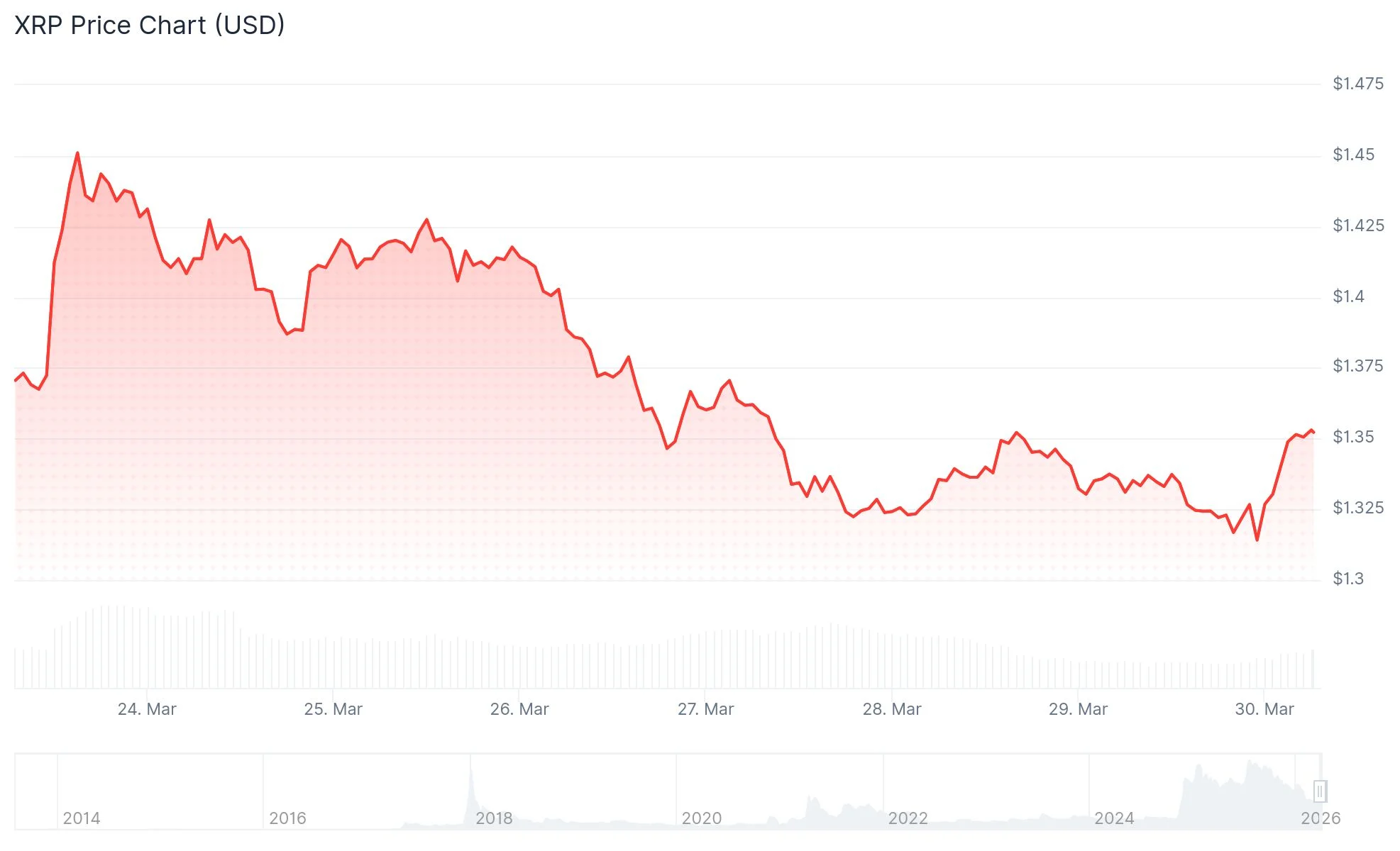
XRP emerged as a solution for rapid, cost-effective international money transfers. Solana developed as a comprehensive blockchain infrastructure supporting applications spanning finance, commerce, and digital ownership. This foundational distinction influences every aspect of their potential performance trajectories.
XRP’s primary advantage lies in its focused mission. Ripple has dedicated considerable resources cultivating partnerships with banking institutions and payment processors. This positioning provides XRP with tangible utility within cross-border financial infrastructure.
Should additional financial institutions and payment networks embrace blockchain-powered settlement systems, XRP stands positioned to capture meaningful adoption. This scenario represents a genuine possibility, explaining why numerous investors maintain positions.

The limitation stems from XRP’s reliance on a singular adoption pathway. Should payment sector integration progress gradually, returns might underwhelm investors anticipating accelerated appreciation.
Solana’s Diversified Ecosystem Benefits
Solana operates without dependence on any single application category. The network facilitates decentralized financial services, stablecoin infrastructure, NFT marketplaces, gaming platforms, consumer-facing applications, and tokenized traditional assets.
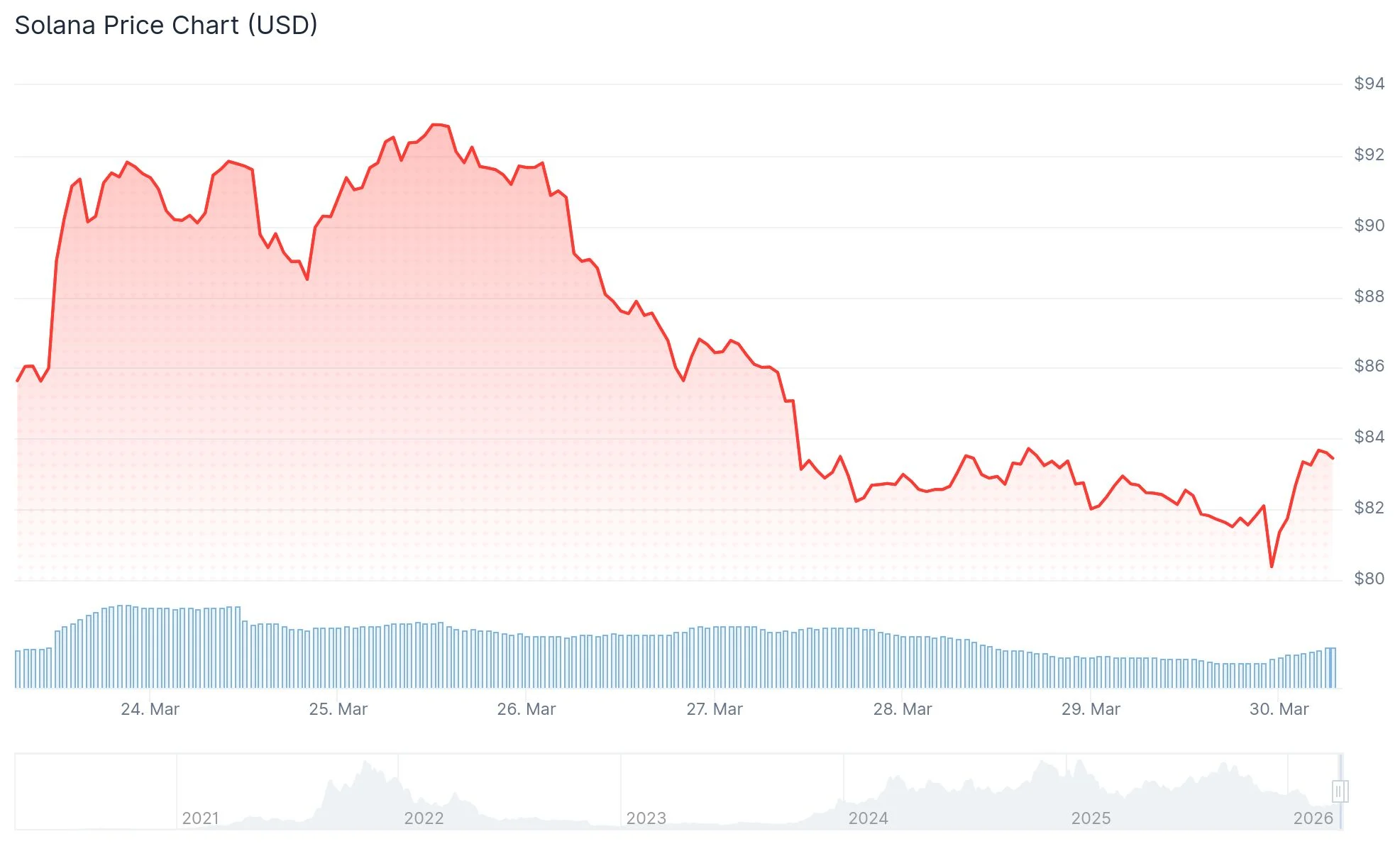
This structural diversity creates multiple value creation channels. When activity moderates in one vertical, alternative sectors can sustain network demand and token utility.
Developer engagement represents another domain where Solana demonstrates superiority. Blockchain networks attracting active builder communities typically maintain relevance across extended timeframes, as developers generate the applications driving user adoption.
Robust developer participation frequently serves as a forward-looking indicator of platform durability. Measured by this standard, Solana presently maintains an advantage over XRP.
Token Economics and Investment Considerations
XRP employs a transparent supply mechanism. The network operates without mining-based inflation, and nominal XRP amounts are destroyed with every transaction.
Nevertheless, Ripple’s substantial XRP treasury continues generating discussion among certain investors. This persistent supply dynamic can constrain confidence regarding long-term price appreciation potential.
Solana incorporates inflation within its token framework. This dilution receives partial offset through staking incentives and expanding on-chain economic activity.
As network utilization continues expanding, Solana demand can increase through transaction fees and ecosystem growth. This dynamic provides fundamental support for the token model across extended periods.
XRP’s primary concerns involve enterprise integration velocity and regulatory framework development. Solana’s principal challenges relate to technical execution and network stability, areas that have experienced historical difficulties.
Solana recently maintained ecosystem expansion momentum through additional stablecoin partnerships and consumer-oriented application launches, sustaining developer interest as 2025 approaches.
Investment Conclusion
For investors evaluating multi-year positions, Solana presents the more compelling platform opportunity. XRP retains relevance within payment infrastructure and settlement applications, but Solana’s comprehensive ecosystem architecture provides greater expansion capacity.
