



Key Highlights
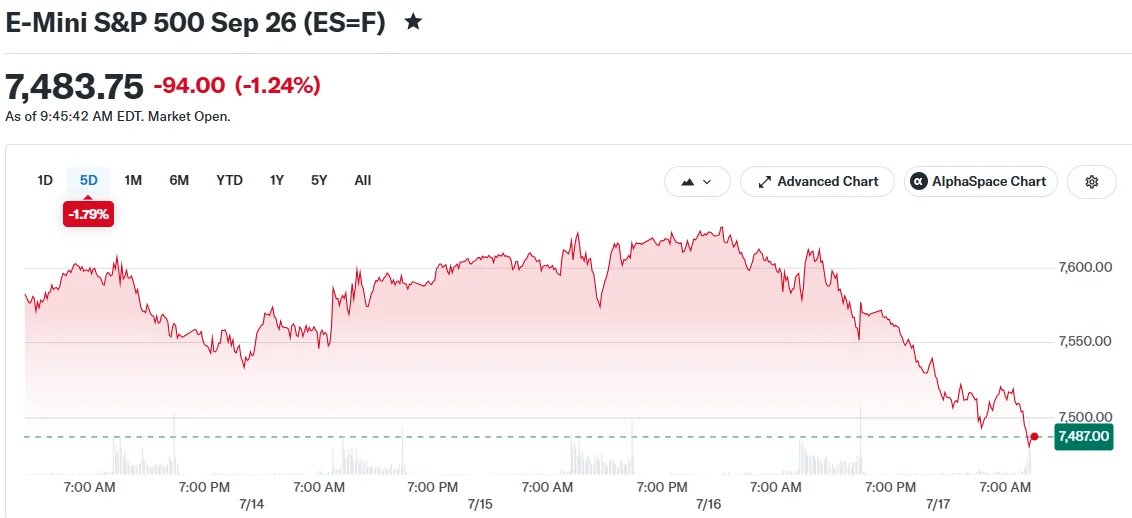
- Major US indexes tumbled Friday with the Nasdaq declining 1.6%, S&P 500 losing 0.8%, and Dow falling 1%
- Semiconductor sector officially entered bear market, with PHLX Semiconductor Index plunging over 3%
- Global market weakness intensified as Japan’s Nikkei 225 plummeted 4%
- Netflix shares crashed 12% following disappointing third-quarter revenue projections
- China’s Moonshot AI introduced Kimi K3 model, intensifying concerns about AI sector dominance
American equity markets experienced significant declines Friday, setting up major benchmarks for weekly losses as semiconductor stocks and streaming giant Netflix led the retreat.
The tech-heavy Nasdaq Composite tumbled approximately 1.6%. Meanwhile, the S&P 500 declined about 0.8%, with the Dow Jones Industrial Average sliding roughly 1%.
Semiconductor equities bore the brunt of Friday’s selling pressure. The PHLX Semiconductor Index plummeted more than 3%, officially confirming the sector’s descent into bear market conditions.
Semiconductor Sector Confirms Bear Market Status
The chip industry selloff gained momentum partly due to deteriorating conditions in Asian trading sessions. Japan’s Nikkei 225 cratered 4% during overnight trading, creating negative momentum that carried into American market hours.

The technology-fueled advance that propelled markets higher since March has now hit a wall. Market participants have begun retreating as they reconsider the massive capital deployment into artificial intelligence infrastructure.
This revaluation accelerated Friday when Chinese AI startup Moonshot launched its Kimi K3 model, billing it as the planet’s largest open artificial intelligence model with capabilities matching top American AI platforms.
The announcement amplified existing doubts surrounding the AI investment thesis. Market watchers have grown increasingly skeptical about whether enormous AI expenditures will generate commensurate financial returns.
Netflix Tumbles on Disappointing Revenue Guidance
Netflix shares plunged 12% during early market activity. The entertainment streaming leader’s third-quarter revenue projections fell short of analyst consensus estimates.
Management characterized the current environment as “dynamic and competitive” within the entertainment industry. This messaging failed to calm nervous investors already dealing with broader market turbulence.
Netflix’s earnings disappointment arrived at an inopportune moment. Markets were already grappling with the semiconductor downturn and mounting questions about artificial intelligence capital allocation.
Market sentiment Friday remained decidedly negative. Positive catalysts were scarce across major market indices as selling pressure persisted throughout the trading session.
Regarding corporate earnings, regional banking institutions including Truist Financial Corporation and Fifth Third Bancorp released quarterly results this week, concluding an active period for financial sector reporting.
Investors also digested new macroeconomic indicators. The University of Michigan’s consumer sentiment survey provided insights into American consumer confidence amid concerns about economic conditions and elevated fuel costs.
The confluence of disappointing corporate results, semiconductor weakness, and international market stress created challenging conditions to close the trading week. All three primary US equity benchmarks were tracking toward weekly declines as Friday afternoon trading progressed.
