


Key Highlights
- Major technology firms including Google, AMD, BYD, and Tesla have approached Samsung Electronics about potential chip manufacturing partnerships as TSMC experiences capacity limitations.
- Discussions between Google and Samsung involve potential production of upcoming Axion processors and Tensor Processing Units, with projected timelines around 2028.
- BYD is exploring possibilities for manufacturing next-generation self-driving chips through Samsung’s foundry services.
- AMD has initiated conversations about potential future CPU production with Samsung.
- The global landscape for cutting-edge chip manufacturing remains limited to three major players: TSMC, Samsung, and Intel.
As artificial intelligence infrastructure requirements intensify, TSMC’s manufacturing capabilities are reaching their limits — creating opportunities for Samsung to capture new business.
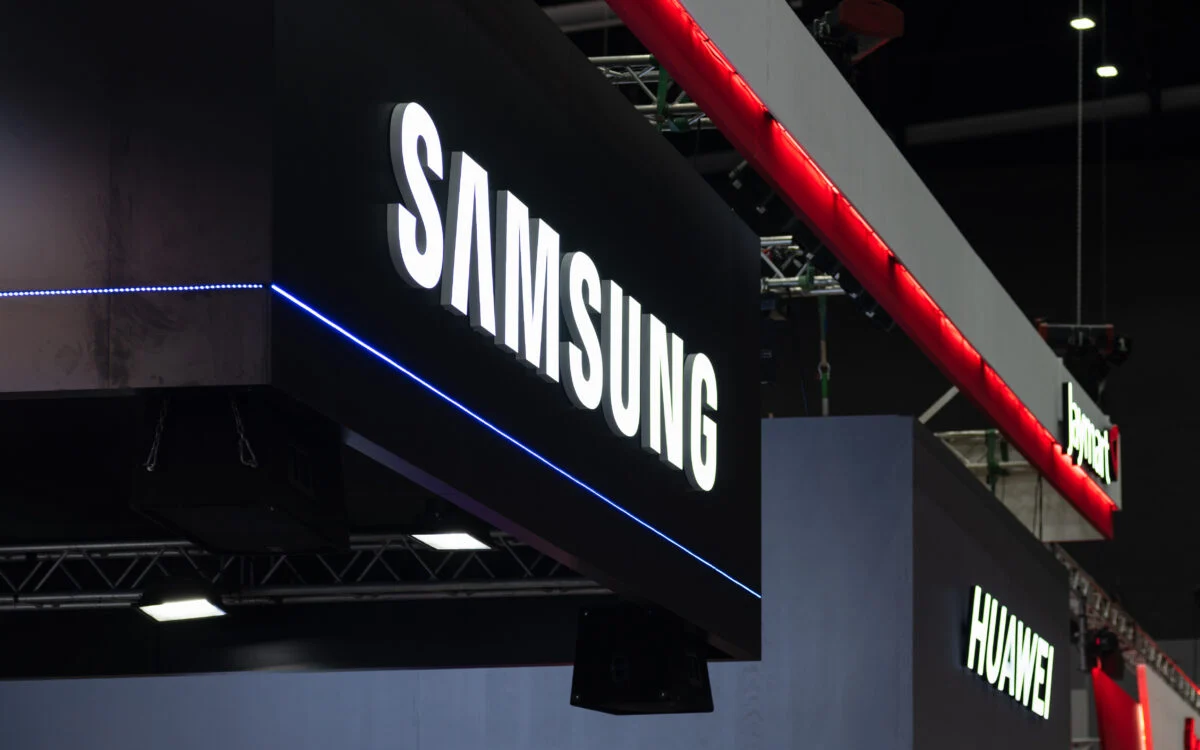
According to a Wednesday report from Nikkei Asia, Samsung Electronics has experienced increased interest in contract manufacturing services from prominent international clients, including Google, AMD, BYD, and Tesla. This information comes from six sources familiar with the developments.
Samsung’s stock value increased approximately 1% following this news.
Samsung Electronics Co., Ltd., SMSD.L

TSMC’s production schedule is substantially committed to its established client base — including Nvidia, Apple, AMD, Broadcom, Marvell, and MediaTek — creating limited availability for additional orders in the immediate future. While TSMC has announced expansion initiatives, semiconductor fabrication facilities require substantial investment and multi-year construction timelines. This bottleneck is prompting certain companies to evaluate alternative manufacturing partners.
Potential Manufacturing Projects Under Discussion
Google has entered preliminary talks with Samsung regarding the manufacture of its future Axion processor lineup, anticipated to debut approximately in 2028. Additionally, Google is evaluating Samsung’s foundry capabilities for producing some of its Tensor Processing Units, the specialized chips powering its AI computational tasks, also targeting a 2028 timeframe.
AMD has begun conversations about utilizing Samsung for manufacturing certain upcoming CPUs. BYD, the prominent Chinese electric vehicle manufacturer, is exploring Samsung’s potential role in producing its advanced autonomous driving chip technology. Tesla has also been mentioned in reports as having made inquiries about Samsung’s services.
It’s important to note these represent preliminary negotiations rather than confirmed manufacturing agreements.
Three Companies Dominate Advanced Chip Production
TSMC, Samsung, and Intel currently represent the exclusive group capable of manufacturing state-of-the-art semiconductors at commercial scale. This concentrated market structure provides all three companies with substantial negotiating power in an environment where AI-driven demand continues accelerating.
Intel has been actively pursuing external customers for its advanced manufacturing services, although its operations remain primarily focused on producing chips for internal applications.
TSMC stock (TSM) declined approximately 3.5% on Wednesday. AMD (AMD) experienced a drop of roughly 7.3%, while Intel (INTC) decreased 8.45%. GOOGL registered a modest gain of 1.06%.
Samsung’s foundry division has encountered production yield and operational challenges in previous years, factors that originally drove some clients toward TSMC. The conversion of these recent inquiries into actual manufacturing contracts will ultimately depend on Samsung’s capacity to meet the stringent quality standards and production volumes that customers require.
According to TipRanks, TSMC maintains a Strong Buy consensus rating with an average price target of $465, suggesting approximately 9% upside potential from present levels. TSMC stock has appreciated roughly 40.7% year-to-date.
