


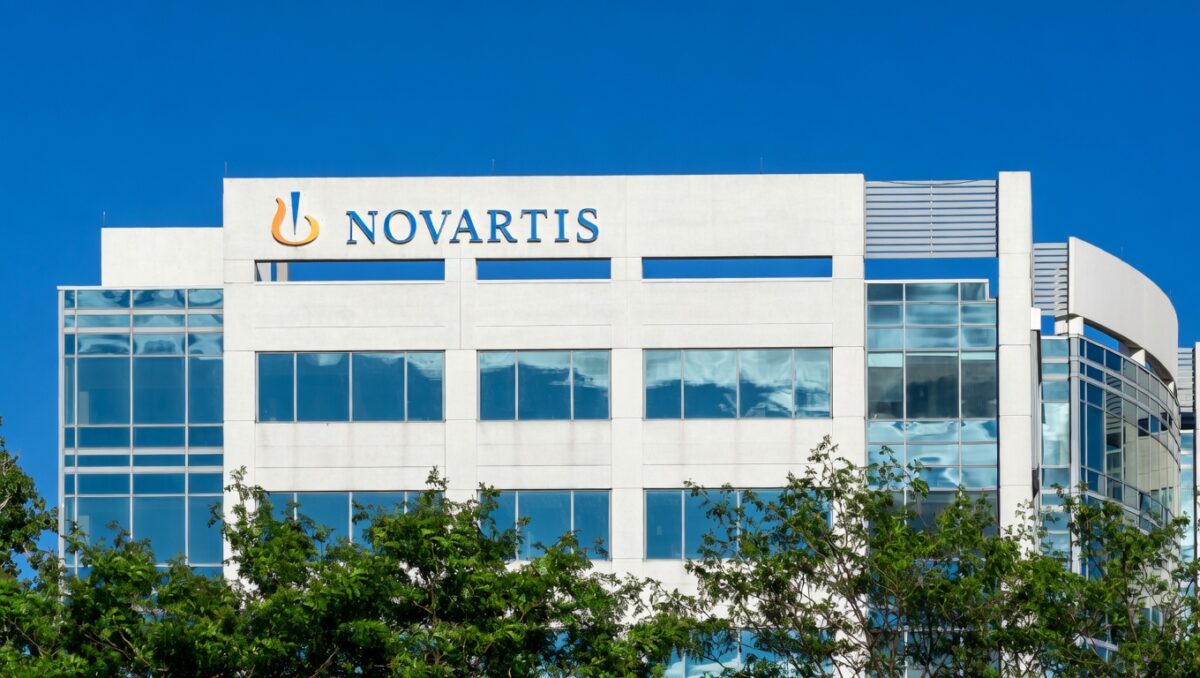
Key Highlights
- Shares of NVS declined approximately 2% during pre-market trading following disappointing first-quarter financial results
- Revenue totaled $13.11B, falling short of the $13.40B Wall Street projection, representing a 1% decline compared to the prior year
- Entresto revenue plunged 42% to $1.31B following U.S. patent expiration and the entry of generic alternatives
- Core earnings per share decreased to $1.99 from $2.28; core operating income declined 12% to $4.9B
- Chief Executive Vas Narasimhan cautioned that America’s “most favored nation” pharmaceutical pricing framework may restrict timely patient access to innovative treatments in Europe and Japan over the next year and a half
The Swiss pharmaceutical giant disclosed a challenging opening quarter for 2026, with financial performance trailing expectations on both revenue and profitability metrics as generic rivalry proved more damaging than market forecasters anticipated.
Total revenue reached $13.11 billion, missing the $13.40 billion target set by Wall Street analysts. Core operating income tumbled 12% to $4.9 billion, likewise falling beneath the approximately $5.1 billion consensus compiled by Visible Alpha.
The primary driver behind this underperformance was Entresto, the company’s blockbuster cardiovascular medication. Revenue from this therapy collapsed 42% to $1.31 billion following the expiration of its U.S. patent protection and subsequent generic market entry. Market observers had projected $1.37 billion.

Entresto represented 14% of aggregate revenue during the previous fiscal year, positioning this as among the most severe patent cliff events the organization has experienced in recent memory. Chief Executive Vas Narasimhan has characterized it as the most substantial patent expiration Novartis has encountered over the past two decades.
The challenges extend beyond Entresto alone. Promacta, used for blood disorders, and Tasigna, a leukemia medication, are similarly confronting generic competition, compounding the difficulties in sustaining revenue expansion.
Core earnings per share contracted to $1.99, down from $2.28 during the comparable quarter last year. Operating income retreated 9% while net income diminished 13%, mirroring both the revenue shortfall and elevated research and development expenditures.
Chief Financial Officer Mukul Mehta informed the media that the outcomes aligned with the company’s internal projections. He indicated that management anticipates “growth to return back to our P&L in the second half of this year.”
Novartis maintained its full-year outlook, citing a robust development pipeline and continuing product launches. Management forecasts approximately $4 billion in revenue erosion this year attributable to generic competition affecting Entresto, Promacta, and Tasigna.
Executive Raises Concerns Over MFN Pricing Framework
Beyond the quarterly financial disclosure, CEO Narasimhan leveraged the announcement to express apprehensions regarding U.S. pharmaceutical pricing regulations, particularly the “most favored nation” mechanism.
The MFN framework links American drug prices to those negotiated in other developed nations. Narasimhan cautioned that the ramifications would extend internationally, stating “the reality of MFN is going to set in in the next 18 months.”
He indicated that Novartis is urging European and Japanese authorities to reconsider their pricing and reimbursement approaches for innovative therapies. Absent such modifications, he cautioned that “novel medicines might see delayed entry” and patient accessibility could deteriorate.
Presently, the immediate financial impact on Novartis remains modest. MFN currently affects approximately 5% to 10% of Medicaid-associated revenue. However, Narasimhan views the policy as permanent. “I don’t see it disappearing in the U.S.,” he remarked.
His statements mirror concerns voiced by industry competitors. Roche and AstraZeneca have similarly identified Europe’s pricing infrastructure as an escalating threat to future medication availability.
Analyst Community Maintains Measured Optimism
Notwithstanding the disappointing results, the investment community hasn’t abandoned confidence in the stock. Novartis maintains a Moderate Buy consensus rating from six equity analysts.
The mean price objective stands at $169.86, suggesting approximately 17% potential appreciation from present trading levels.
Entresto will encounter patent expirations across Europe beginning in November, which is expected to intensify revenue headwinds during the latter portion of the year.
