


TLDR
- Micron delivered record fiscal Q2 2026 revenue reaching $23.86 billion with Q3 guidance around $33.5 billion
- SK Hynix achieved record Q1 2026 revenue of KRW 52.57 trillion, powered by surging AI memory sales
- Each company serves as a critical supplier of high-bandwidth memory (HBM) essential for AI server infrastructure
- Wall Street analysts favor both: Micron earns a Buy rating while SK Hynix receives a Strong Buy
- Micron provides diversified memory market access; SK Hynix represents a more concentrated AI memory investment
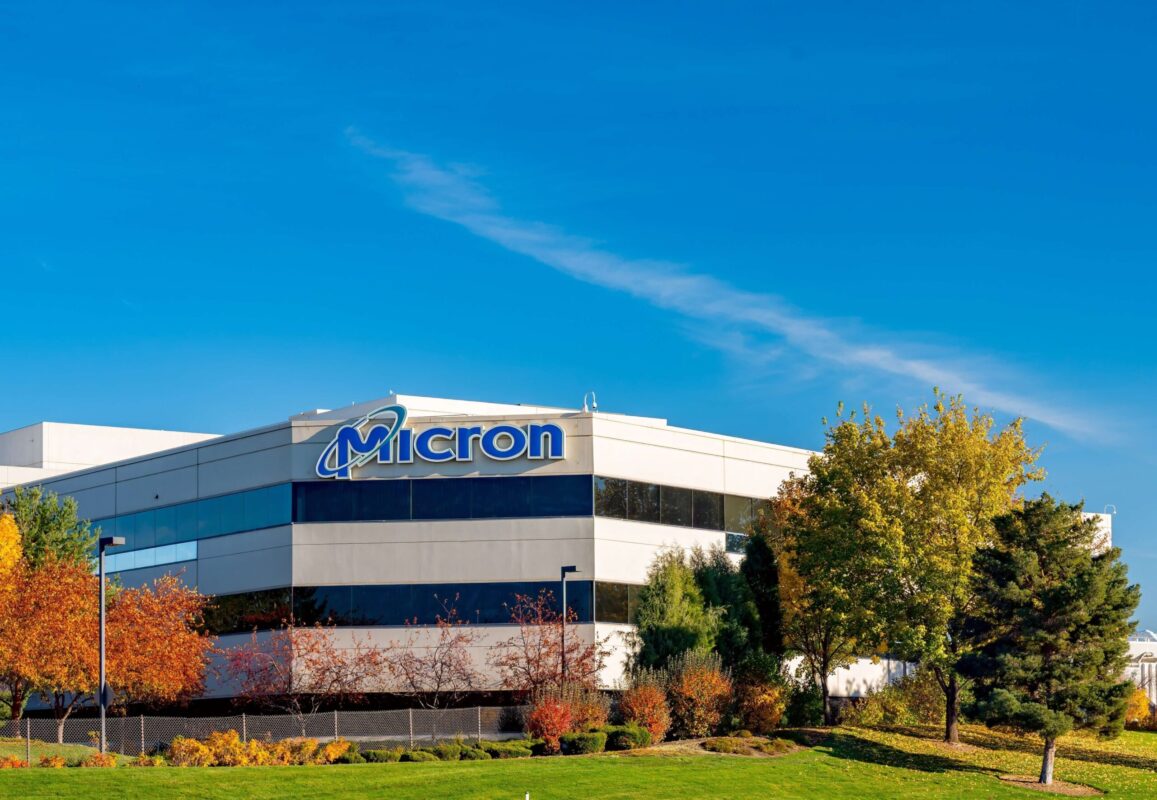
The artificial intelligence memory surge has elevated both Micron and SK Hynix into prominent positions, yet each company presents distinct investment characteristics. Micron stands as America’s premier memory manufacturer, delivering a portfolio spanning DRAM, NAND, and high-bandwidth memory solutions. Meanwhile, SK Hynix has established itself as the dominant force in HBM—the specialized memory type most critical to AI chip functionality.
Investors focused on AI infrastructure expansion recognize both firms as essential players controlling vital supply chain segments.
Micron Delivers Unprecedented Financial Performance
Micron announced fiscal Q2 2026 results showing revenue of $23.86 billion alongside a robust gross margin of 74.4% and net income totaling $13.79 billion. During this three-month period alone, the company produced $11.9 billion in operating cash flow.

Looking forward, Micron projected fiscal Q3 revenue approaching $33.5 billion with gross margins anticipated near 81%. These figures represent exceptional performance metrics across any industry sector.
Micron’s Cloud Memory Business Unit generated $7.75 billion in quarterly revenue, while its Core Data Center division contributed an additional $5.69 billion. The company’s revenue composition has fundamentally shifted away from consumer electronics. Hyperscale cloud providers and AI-focused data centers now represent the primary growth drivers.
MarketBeat data reveals Micron carries a Buy consensus among 39 analysts, comprising 5 Strong Buy ratings, 30 Buy recommendations, and 4 Hold positions, with zero Sell ratings assigned.
SK Hynix Represents Pure-Play AI Memory Exposure
SK Hynix unveiled record-setting Q1 2026 performance with revenue totaling KRW 52.57 trillion and operating profit reaching KRW 37.61 trillion. Management indicated that AI chip demand currently exceeds production capacity, signaling ongoing supply tightness in HBM markets.
Following early May announcements from leading U.S. technology companies regarding accelerated AI data center capital expenditures, SK Hynix shares experienced sharp upward movement. This market response demonstrates how closely investors connect SK Hynix’s performance trajectory with AI infrastructure investment cycles.
Compared to diversified semiconductor conglomerates like Samsung, SK Hynix presents a more streamlined investment thesis. Purchasing SK Hynix shares means taking a direct position on HBM market growth. This focused approach represents simultaneously both the investment’s primary attraction and its concentrated risk profile.
According to Investing.com data, SK Hynix holds a Strong Buy consensus from 38 analysts, including 36 Buy ratings, 2 Hold positions, and zero Sell recommendations.
Key Differentiators Between the Two Stocks
Micron delivers comprehensive memory sector exposure spanning DRAM, NAND, and HBM technologies, supported by substantial cash generation and convenient U.S. exchange trading access. SK Hynix offers a more targeted, concentrated investment vehicle focused specifically on AI server memory applications.
Both equities frequently exhibit correlated price movements, though driven by distinct underlying factors. Micron’s performance mirrors overall memory market conditions across multiple segments. SK Hynix trading patterns more directly reflect AI infrastructure spending momentum and timing.
Analyst communities express optimism regarding both companies. The investment decision ultimately depends on whether portfolio strategy favors diversified memory market participation or seeks concentrated exposure aligned tightly with AI hardware demand cycles.
