


Key Highlights
- Micron’s premarket session saw shares climb 1.7%, building on a remarkable 75% surge over the previous month
- South Korean trading showed SK Hynix advancing 12% while Samsung increased 6.3%
- Samsung’s labor unions are planning a potential 18-day work stoppage starting May 21 through June 7 over bonus structure disagreements
- Industry analysts warn the strike could disrupt approximately 3% of worldwide memory chip manufacturing
- Financial projections from JP Morgan suggest Samsung could lose more than 40 trillion won in yearly operating earnings
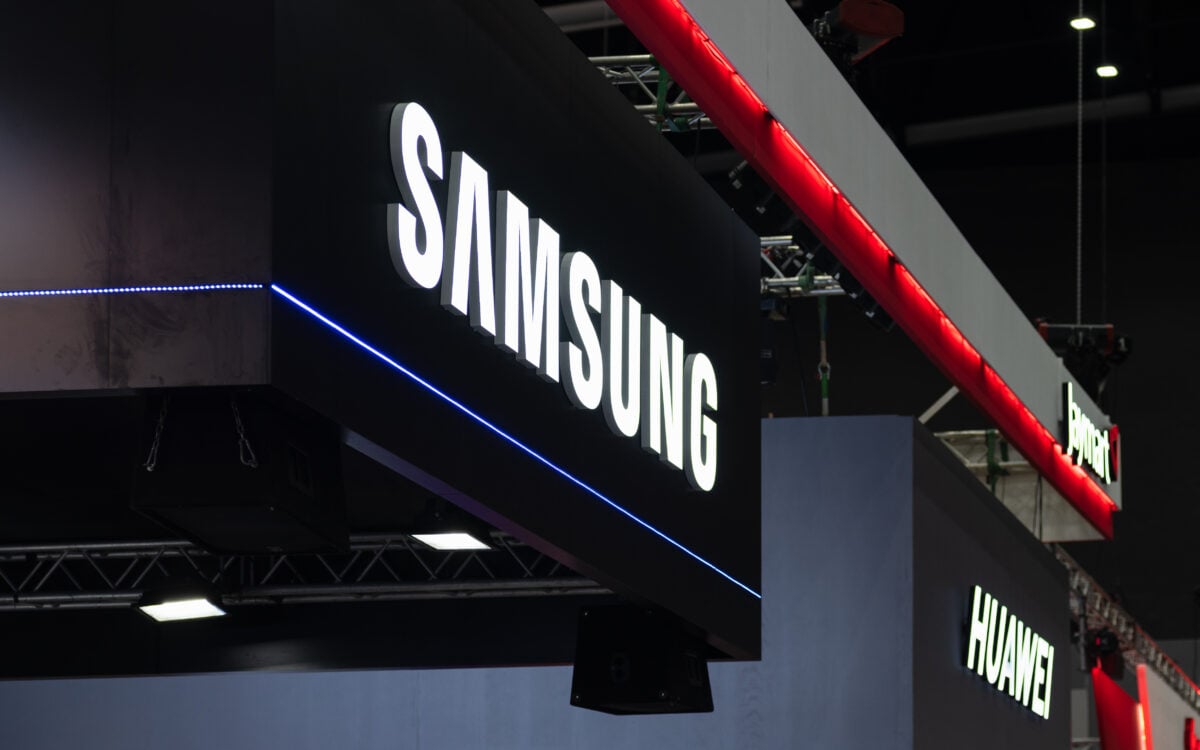
Micron Technology shares climbed during Monday’s premarket session as market participants monitored an escalating labor conflict at Samsung Electronics that threatens to shake up global memory chip availability.
Premarket activity showed Micron advancing 1.7% before regular trading commenced. This continues an impressive rally that has propelled the stock upward by 75% over the last 30 days, elevating its market capitalization beyond the $800 billion threshold.
SK Hynix posted substantial gains as well, surging 12% during South Korean market hours. Samsung’s own shares increased 6.3%.

The trio of semiconductor manufacturers has benefited from robust appetite for memory components utilized in artificial intelligence hardware. This heightened demand has elevated pricing throughout the industry.
The pressing issue capturing market attention involves a potential work stoppage at Samsung. Labor organizations representing the company’s workforce are warning of an 18-day strike scheduled between May 21 and June 7 should negotiations with corporate leadership collapse.
Samsung executives and union negotiators reconvened Monday under supervision from the National Labor Relations Commission. By Monday afternoon, the parties had not reached a settlement.
These discussions represent post-mediation negotiations, which constitute the final formal opportunity to prevent industrial action. Any settlement achieved during this phase holds identical legal authority to a complete collective bargaining agreement.
The central dispute revolves around Samsung’s compensation structure. Union representatives are demanding elimination of the bonus ceiling and allocation of 15% of operational profits toward a performance-based bonus fund. According to profit projections, certain semiconductor division employees could receive approximately 600 million won individually.
Corporate management has proposed a special compensation arrangement but refuses to permanently eliminate the bonus limitation, arguing such a framework would prove difficult to maintain over extended periods.
Potential Impact on Semiconductor Supply Chains
Should the work stoppage proceed, the union alliance representing roughly 73,000 employees anticipates participation from 30,000 to 40,000 workers. This figure substantially exceeds the 2024 strike participation, when approximately 15% of about 32,000 members took action.
Jefferies projects that a strike could affect roughly 3% of worldwide memory semiconductor production. JP Morgan forecasts the potential earnings impact to Samsung at over 40 trillion won annually.
Any reduction in Samsung’s manufacturing capacity would probably advantage Micron and SK Hynix, both of which market rival products to overlapping customer bases.
Strong Market Fundamentals for Memory Semiconductors
JP Morgan analyst Mixo Das recently noted that the supply-demand imbalance for memory chips is projected to expand through 2027. Purchasers are already accelerating order placement amid concerns regarding future availability constraints.
Das indicated that 2027 and 2028 may witness sustained increases in both pricing and shipment volumes across the sector.
South Korea’s Labor Minister Kim Young-hoon stated Monday that both negotiating parties had committed to continuing discussions, characterizing this as an encouraging development while recognizing the challenging nature of the ongoing talks.
