


Key Takeaways
- Michael Burry has opened short positions targeting AI-related stocks such as Applied Materials, Tesla, Caterpillar, and the iShares Semiconductor ETF
- The investor described Samsung and SK Hynix’s $500 billion semiconductor manufacturing initiative as “the beginning of the end”
- Burry also took a specific short position against Micron stock, pointing to its cyclical behavior and rally that has reached “historically extreme” territory
- The legendary investor shared historical comparison charts linking the AI surge to the dot-com bubble and 2008 real estate collapse
- Major technology companies are expected to invest approximately $700 billion in AI-related infrastructure throughout this year
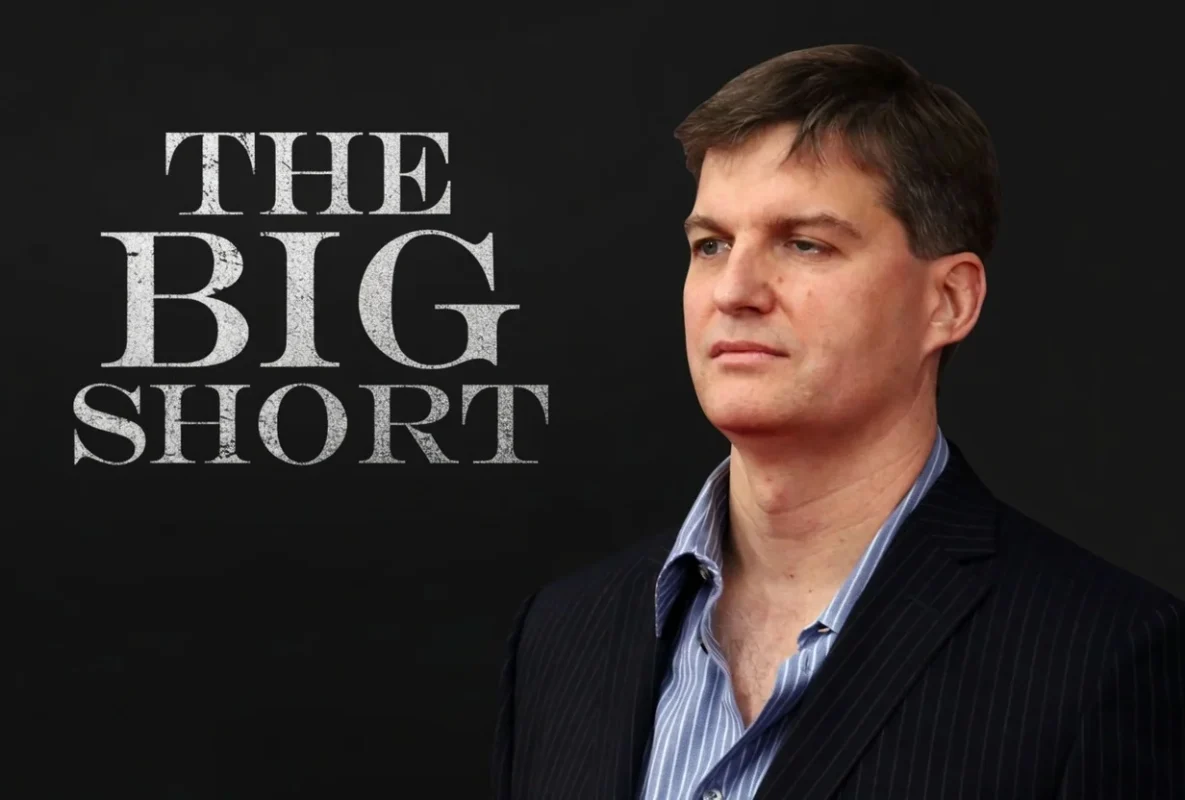
Michael Burry, whose prescient housing market bet was chronicled in “The Big Short,” has taken significant bearish positions against stocks tied to the artificial intelligence sector.
According to reports from late June, Burry disclosed short bets on Applied Materials, Tesla, Caterpillar, and the iShares Semiconductor ETF. The information surfaced through his Substack publication titled “Cassandra Unchained,” as reported by The Wall Street Journal.
The semiconductor-focused ETF represents a comprehensive wager against the artificial intelligence sector. Among its largest positions are Advanced Micro Devices, Micron, and Nvidia. The exchange-traded fund has surged over 130% during the past twelve months.

In addition to the ETF position, Burry established a dedicated short against Micron shares. His rationale centered on the company’s cyclical business patterns and valuation levels he characterized as reaching “historically extreme” heights.
The investor’s concerns intensified following announcements that South Korean chipmakers Samsung and SK Hynix intend to commit $500 billion toward constructing a major semiconductor production facility. While this news initially boosted technology stocks, Burry published commentary on his Substack platform declaring it represented “the beginning of the end.”
This marks a continuation of Burry’s skepticism toward AI investments. During the previous year, he established bearish positions targeting Nvidia and Palantir Technologies, both companies that have substantially benefited from artificial intelligence expenditures.
Burry’s Historical Parallels Between AI and Previous Speculative Manias
Through social media channels, Burry shared multiple charts illustrating similarities between today’s AI enthusiasm and earlier periods of market speculation.
One visualization depicted the worldwide machine learning industry expanding from less than $1 billion in 2011 to approaching $90 billion by 2025. His accompanying caption employed sarcasm to critique investors who maintain that AI stock valuations can only continue climbing.
Another chart illustrated U.S. residential real estate prices preceding the 2008 financial crisis. A third demonstrated internet user adoption throughout the 1990s ahead of the dot-com market implosion.
Burry stopped short of explicitly labeling AI as a speculative bubble. Instead, his message implied that market participants frequently observe genuine long-term technological advancement and subsequently drive asset valuations far beyond levels justified by underlying business fundamentals.
Technology sector leaders are projected to allocate nearly $700 billion toward AI-related infrastructure investments during 2025 alone. Burry, alongside other market observers, has raised questions about whether anticipated revenue generation supports such massive capital deployment.
Despite these concerns, numerous AI-related stocks have posted remarkable gains. Micron shares climbed 300% during the year’s first six months. Sandisk experienced an even more dramatic surge exceeding 800% over the identical timeframe.
Burry demonstrated remarkable foresight when establishing his pre-2008 positions against residential real estate. While his analysis ultimately proved accurate, the difficulty of timing such contrarian investments remains substantial even for sophisticated market participants.
His current short positions signal a conviction that the artificial intelligence stock rally has potentially overextended itself, following speculative patterns the investor has identified in previous market cycles.
