



Key Takeaways
- S&P 500 trades just 1.5% below record territory as Middle East conflict escalates
- CNBC’s Jim Cramer identifies declining interest rates as the primary catalyst for market strength
- 10-year Treasury yields topped out March 27 before reversing course
- Federal Reserve likely to view tariff and energy inflation as transitory disruptions
- Technology shares outperformed while energy sector underperformed despite elevated crude prices
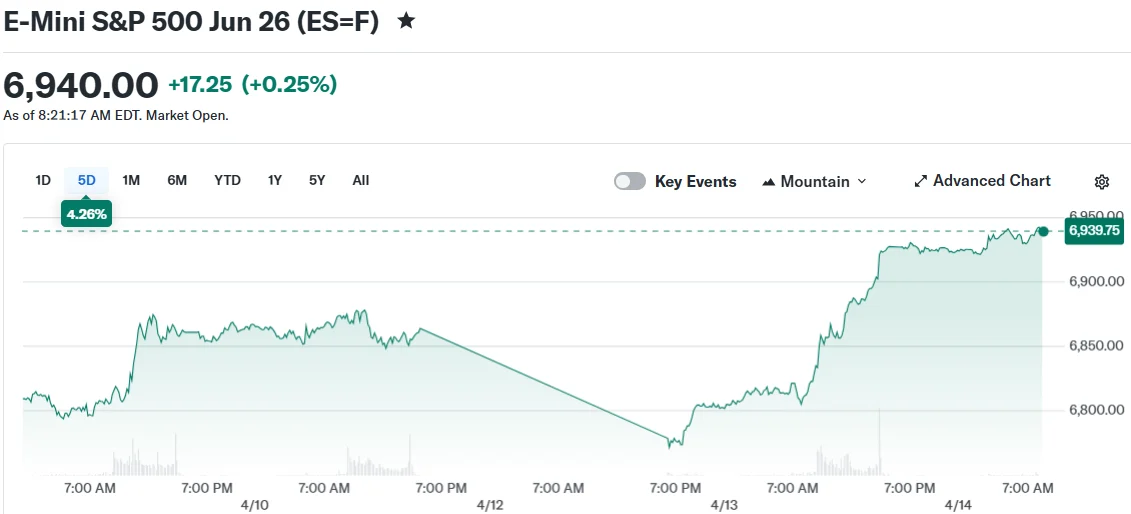
Despite escalating Middle East conflict involving Iran that has driven oil prices sharply higher, the S&P 500 has rebounded to within striking distance of its January peak—missing the record by just 1.5%. According to CNBC’s Jim Cramer, the market’s resilience boils down to one critical factor: borrowing costs are staying low.
“If interest rates were spiking, this market would be very different,” Cramer emphasized during his Mad Money broadcast.
Following the February 28 U.S.-Israel military action against Iran, Treasury yields initially climbed. However, the 10-year note reached its peak on March 27 before declining. The S&P 500 bottomed on March 30 at its yearly low, then staged a robust comeback.
Cramer believes this sequence reveals the market’s true priorities.
When borrowing costs decline, corporations’ future profits become more valuable in present-value terms. This dynamic encourages investors to accept higher valuation multiples. The pattern has persisted even as crude prices surged amid supply concerns around the strategically vital Strait of Hormuz.

Historically, climbing oil prices combined with geopolitical instability would drag down equity markets significantly. Cramer noted that conventional wisdom is “being disobeyed and ignored” in the current environment.
What Makes This Oil Shock Unique
The American economy’s reduced dependence on petroleum partly explains why surging crude hasn’t derailed equities. Modern vehicles consume less fuel, while natural gas has captured a growing share of the nation’s energy mix.
“Natural gas, not oil, is our secret weapon,” Cramer observed.
Domestic natural gas prices remain dramatically lower than international benchmarks. This pricing advantage helps contain inflationary pressures even when oil markets face disruption.
Cramer also anticipates the Federal Reserve will refrain from tightening monetary policy in response to current price increases. While tariffs and energy costs have elevated inflation readings, central bankers may classify these as transient shocks rather than sustained pricing pressure.
“The Fed will most likely asterisk these increases as all one-off price increases,” he explained.
Kevin Warsh, President Trump’s choice to succeed Jerome Powell as Federal Reserve chair, assumes leadership next month when Powell’s tenure concludes. Cramer expects the incoming Fed administration to maintain current rates or potentially implement cuts should inflation moderate.
Technology Surges as Energy Stumbles
Monday’s trading activity validated Cramer’s analysis. Technology stocks powered market gains while energy companies lagged, despite oil maintaining elevated price levels.
Cramer highlighted that Middle Eastern geopolitical developments bear no meaningful relationship to earnings prospects for most American corporations.
“What’s the Strait of Hormuz have to do with the price-to-earnings ratio of Bristol Myers?” he questioned. “The answer is nothing.”
The 10-year Treasury yield edged lower Monday as equities maintained their position near recent peaks.
