


Key Highlights
- Diplomatic breakthrough between Washington and Tehran caused crude oil to plummet from over $110 per barrel to approximately $80.
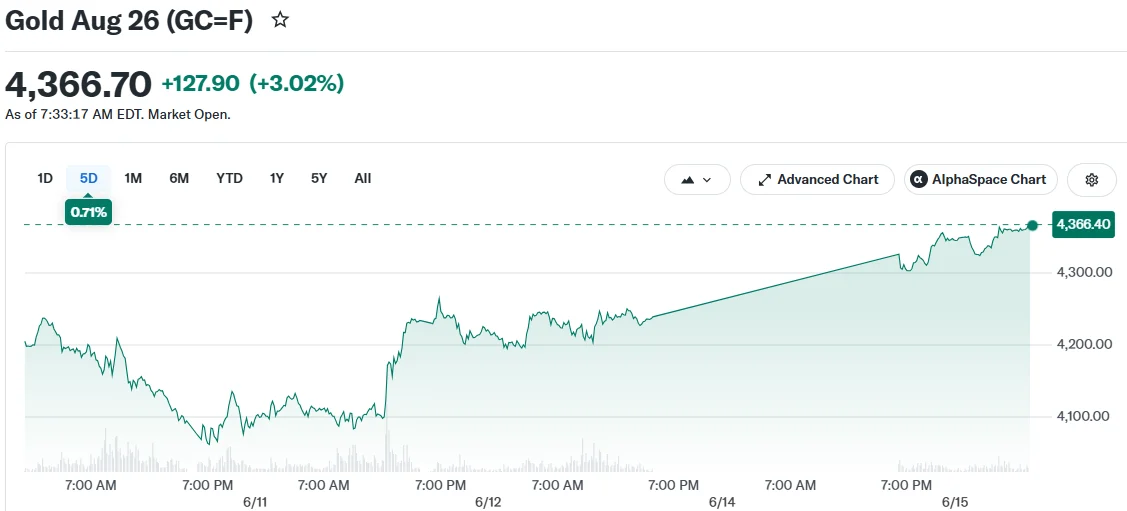
- Bullion climbed 2.8% to reach $4,338 per ounce, marking its strongest performance since early June.
- The agreement includes provisions to reopen the Strait of Hormuz, a crucial maritime corridor shuttered since hostilities erupted in late February.
- The U.S. dollar declined to a 10-day low, enhancing gold’s attractiveness to international buyers.
- Market expectations for Federal Reserve tightening by year-end fell from 69% to 49% amid receding inflation concerns.
Bullion markets experienced a powerful rally Monday following reports of a diplomatic accord between the United States and Iran that triggered a sharp decline in petroleum prices and diminished expectations for additional monetary tightening by the Federal Reserve.
Crude Markets Tumble as Critical Shipping Lane Prepares to Reopen
Spot gold advanced 2.8% to $4,338.14 per ounce, while futures contracts gained an equivalent amount to settle at $4,359.09. The rally followed confirmation that Washington and Tehran had achieved a tentative framework to cease military operations.
The framework agreement, facilitated partially through Pakistani mediation, is scheduled for formal signing in Switzerland this Friday. Iranian officials have emphasized that implementation will not commence until after the ceremony.
President Donald Trump verified that the arrangement will restore access to the Strait of Hormuz. This strategic waterway serves as a vital conduit for international petroleum shipments, previously handling approximately 20% of global oil transport before conflict erupted in late February.

Brent crude futures, which had surged beyond $110 per barrel amid the crisis, retreated to just over $80 following the diplomatic announcement.
Greenback Retreats, Enhancing Precious Metal Appeal
The precious metal’s ascent received additional support from weakness in the U.S. dollar. The American currency declined to its lowest level in 10 days versus a basket of major trading partners.
Throughout the military confrontation, the dollar had appreciated as investors sought refuge in traditional safe-haven instruments. As the peace framework diminished geopolitical uncertainty, market participants rotated toward riskier holdings, pressuring the greenback lower.
Dollar weakness typically bolsters gold valuations by reducing the cost for purchasers transacting in alternative currencies.
Britannia Global Markets strategists noted the agreement “weakened the dollar and drove crude sharply lower, establishing a more favorable macroeconomic environment for risk-oriented assets throughout the commodity complex.”
The petroleum price collapse also alleviated concerns that monetary authorities would need to implement additional rate increases to combat energy-fueled inflation. Bullion generally thrives in lower interest rate environments due to its lack of yield.
Market participants now assign a 49% probability to a Federal Reserve rate increase by December, down substantially from 69% just seven days earlier, based on CME FedWatch Tool data.
The Federal Reserve is anticipated to maintain its current policy stance when it concludes its two-day meeting Wednesday. The gathering marks Chairman Kevin Warsh’s inaugural Federal Open Market Committee session.
XTB market analyst Kathleen Brooks observed that the diplomatic breakthrough “applies downward pressure on petroleum prices and consequently diminishes inflation worries,” noting the significant timing given major central bank policy meetings scheduled throughout the week.
Neither Washington nor Tehran has disclosed comprehensive terms of the framework beyond information shared through Pakistani intermediaries and Trump’s public statements.
The arrangement remains unsigned, and Iranian authorities have confirmed implementation will be delayed until Friday’s formal ceremony in Switzerland.
