


Key Takeaways
- General Motors is prolonging its Factory ZERO electric vehicle facility shutdown in Detroit, resulting in approximately 1,300 temporary worker layoffs through April 13.
- This production halt follows earlier workforce reductions beginning March 16, with Factory ZERO eliminating more than 2,300 positions since the end of 2025.
- The automaker’s electric vehicle initiatives have accumulated $7.6 billion in losses, prompting the cancellation of several EV projects since late 2024.
- GM is redirecting its strategy toward internal combustion engine vehicles, planning to expand heavy-duty truck manufacturing at a Michigan facility beginning in June.
- Barclays analyst Dan Levy maintains a $105 price objective for GM shares, suggesting approximately 44% potential upside from present trading levels.
General Motors (GM) has prolonged the production suspension at its Detroit-based Factory ZERO electric vehicle manufacturing facility, implementing temporary layoffs affecting approximately 1,300 employees through April 13. This extension follows an initial production stoppage that began March 16.
A company representative stated that the facility would “temporarily adjust production to align EV production with market demand,” noting that affected workers might qualify for supplemental unemployment benefits under the collective bargaining agreement between GM and the UAW.
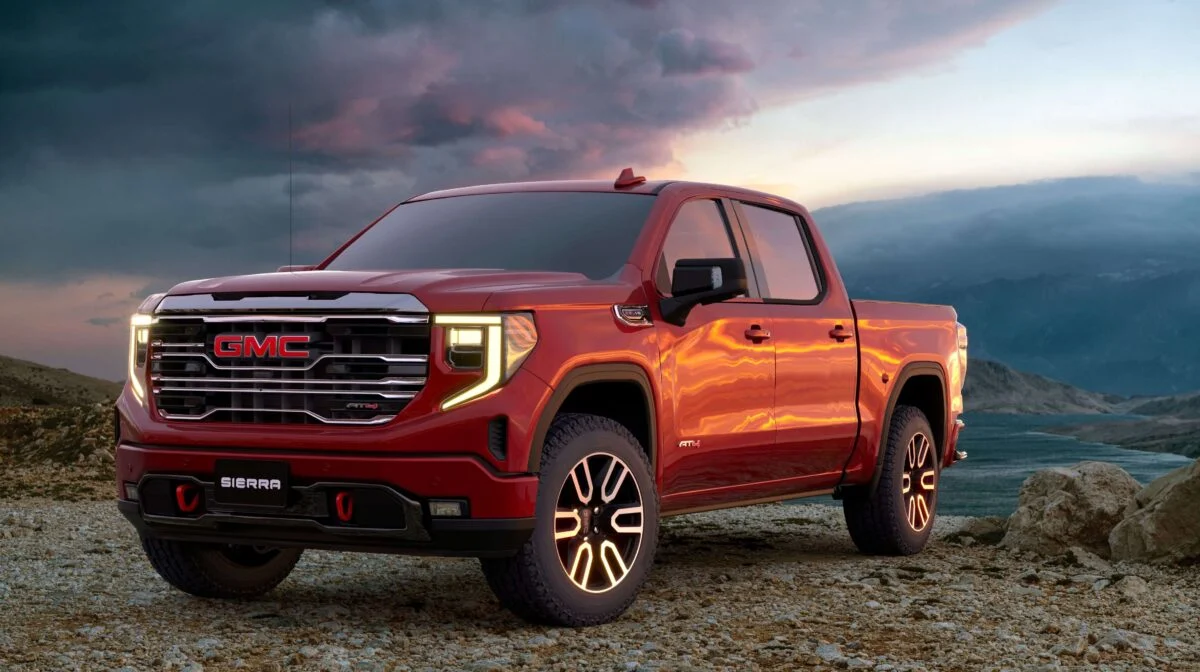
Factory ZERO serves as the production hub for two flagship electric models: the Chevrolet Silverado EV and GMC Hummer EV. Both vehicles have experienced softer consumer demand than initially anticipated, despite significant initial market interest.

These workforce reductions represent the latest in a series of cutbacks at the facility. Factory ZERO eliminated approximately 1,200 positions in late 2025, followed by over 1,100 additional job cuts in early 2026, while slashing production capacity by half in January. This pattern signals a significant pullback from the ambitious electric vehicle objectives GM established several years ago.
The automaker has accumulated $7.6 billion in losses from its electric vehicle operations. Additional strategic reversals include discontinuing the BrightDrop electric commercial van, converting a Lansing facility to manufacture gas-powered Cadillac CT5 sedans rather than EVs, and abandoning electric vehicle component production plans at a Toledo transmission facility.
The elimination of the $7,500 federal electric vehicle tax incentive in September 2025, implemented under Trump administration policies, has intensified market challenges. Electric vehicle consumer interest has diminished from 2024 peaks, affected by elevated pricing and ongoing concerns regarding charging network availability.
Returning to Internal Combustion
GM is refocusing on its profitable core business: gasoline-powered trucks and sport utility vehicles. The manufacturer announced plans to boost heavy-duty truck production at a Michigan assembly plant commencing in June. Competitor Ford (F) is pursuing a comparable strategy, expanding its own conventional pickup truck manufacturing capacity.
Determining optimal product portfolio allocation has become increasingly complex. Ongoing Middle Eastern conflicts have elevated gasoline prices, complicating electric vehicle demand projections since the duration of these market pressures remains uncertain.
GM provided 2026 adjusted earnings per share guidance ranging from $11.00 to $13.00, with North American EBIT-adjusted margins anticipated to rebound to the 8% to 10% range, up from 6.1% recorded in Q4 2025.
The corporation repurchased approximately 91 million shares throughout 2025 and has approved a fresh $6 billion share buyback program without expiration constraints. Super Cruise technology revenue is forecast to reach $400 million in 2026, climbing from $234 million in 2025.
Wall Street’s Perspective
Barclays analyst Dan Levy reduced his price objective to $105 from $110 while maintaining an Overweight rating. Based on the current trading price of $72.98, this target represents approximately 44% potential appreciation.
Levy revised his financial models in preparation for Q1 results, lowering near-term projections while preserving confidence in GM’s long-term profitability trajectory. First quarter 2026 tariff-related expenses are projected to total between $750 million and $1 billion.
According to TipRanks, GM carries a Moderate Buy consensus rating, derived from 15 Buy recommendations, three Hold ratings, and one Sell rating. The consensus price target of $95.50 suggests approximately 31% upside potential from current price levels.
GM’s first quarter 2026 financial results are scheduled for release on or around April 27.
