


Key Takeaways
- Second-quarter loss projection of 45-60 cents per share exceeds Wall Street’s 43-cent estimate
- Aviation fuel expenses surged from $2.88 per gallon in Q1 to an anticipated $4.25 per gallon in Q2
- Middle East conflict and blockade of the Strait of Hormuz fueling dramatic petroleum price increases
- Budget competitor Spirit Airlines ceased operations last week amid similar fuel cost pressures
- Company’s cash position of $974 million at Q1 close projected to decline to $900-$950 million by Q2 end
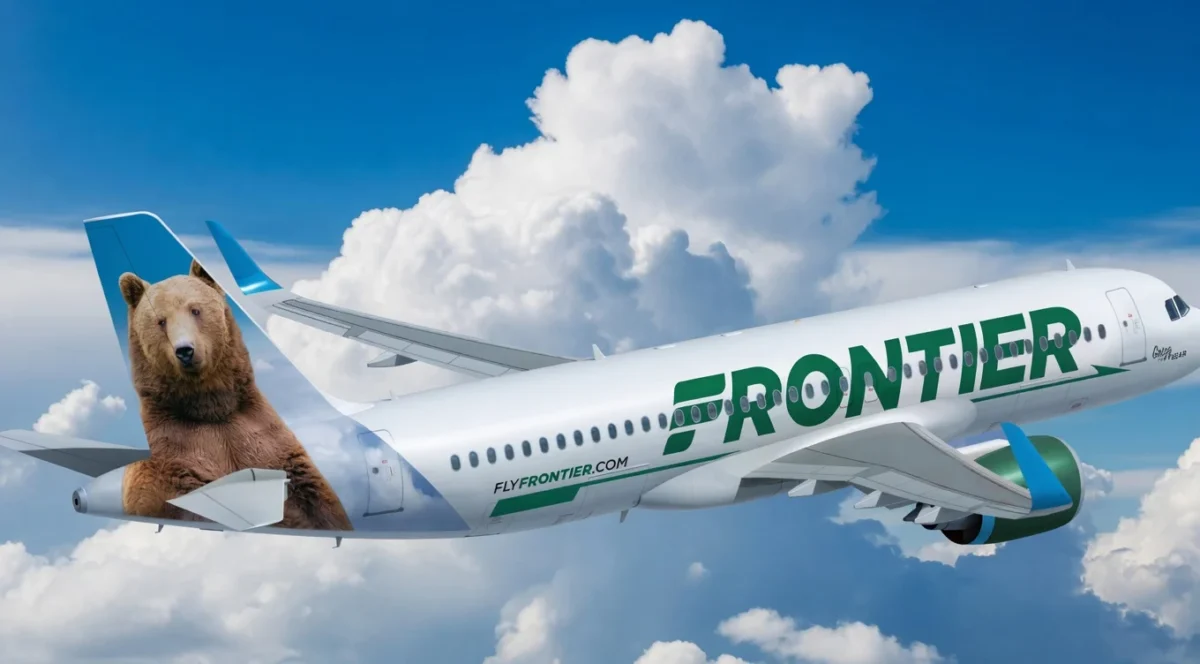
Shares of Frontier Airlines (ULCC) declined 3.6% during Tuesday’s premarket session following the budget carrier’s announcement that its second-quarter losses would exceed analyst projections.
Frontier Group Holdings, Inc., ULCC
The Colorado-based airline company projected losses ranging from 45 to 60 cents per share for the current quarter. Wall Street consensus had anticipated a narrower loss of 43 cents per share.
Skyrocketing fuel expenses represent the core challenge. The carrier anticipates paying $4.25 for each gallon of aviation fuel during the second quarter, marking a substantial increase from the $2.88 per gallon cost in the first quarter—and significantly above its initial $2.50 budget projection established before tensions with Iran intensified.

The Iranian government’s blockade of the Strait of Hormuz has dramatically reduced worldwide oil supplies, triggering substantial price increases throughout the aviation sector.
First-quarter performance actually surpassed market expectations. The airline reported an adjusted per-share loss of 30 cents, outperforming its guidance range of 32-44 cents. Adjusted revenue reached approximately $1.1 billion—establishing a new company milestone and representing 17% year-over-year growth despite marginally reduced capacity.
The carrier’s load factor registered at 78.4%, roughly four percentage points above the comparable period in the previous year.
Rising Fuel Expenses Compress Profitability
Budget carriers are experiencing disproportionate pain from escalating fuel costs compared to traditional airlines. These operators possess fewer mechanisms to counterbalance rising expenses—lacking premium cabin offerings, generating reduced ancillary income, and operating on inherently slimmer profit margins.
Aviation fuel generally accounts for approximately one-quarter of airline operational expenditures. At $4.25 per gallon, the financial arithmetic becomes particularly challenging.
There’s a modest bright spot: Frontier reports achieving 106 available seat miles per gallon, asserting a fuel efficiency edge exceeding 40% relative to other major domestic carriers. This advantage could potentially mitigate damage if elevated pricing continues.
Spirit’s Shutdown Reshapes Market Dynamics
Just last week, Spirit Airlines permanently ceased operations after escalating fuel expenses derailed its bankruptcy restructuring efforts. Spirit had been Frontier’s primary ultra-low-cost competitor across numerous vacation-oriented routes.
With Spirit eliminated from the marketplace, Frontier may encounter diminished pricing competition and enhanced opportunities to capture passengers at elevated fare levels on previously contested routes.
Domestic budget carriers, including Frontier, have advocated for $2.5 billion in federal assistance to counterbalance fuel cost increases. Transportation Secretary Sean Duffy rejected the proposal, asserting that airlines “have access to cash” and don’t require government intervention.
The carrier concluded the first quarter holding $974 million in available liquidity. Management anticipates this balance will decrease to somewhere between $900 million and $950 million by second-quarter end, bolstered by aircraft-related transactions and an expected renewal of its co-branded credit card partnership.
Regarding fleet management, Frontier postponed acceptance of 69 Airbus aircraft and prematurely terminated leases covering 24 A320neo aircraft—a strategic decision that generated a $139 million one-time expense during the first quarter.
The airline’s adjusted revenue per available seat mile (RASM), normalized to 1,000 miles of stage length, increased 17% year-over-year in Q1—marking a first-quarter company record.
Looking ahead to Q2, management projects RASM will advance more than 20% versus the corresponding quarter last year.
