


TLDR
- Brent crude surged 6.2% to reach $96.77 while WTI climbed 7% to $93.48 following Iran’s suspension of nuclear discussions
- ExxonMobil stock advanced 2.9% to $149.41, breaking a seven-session decline
- BP topped energy majors with a 3.5% increase; both Chevron and Shell recorded gains exceeding 2%
- First quarter earnings for XOM exceeded expectations at $1.16 per share versus analyst estimates of $0.98
- Wall Street analysts maintain a “Hold” rating with an average price target of $165.55
Oil prices experienced a dramatic surge Monday following Iran’s decision to halt indirect negotiations, attributing the suspension to ongoing Israeli military operations in Lebanon. The geopolitical disruption provided a powerful catalyst for crude markets and energy equities.
Brent crude futures advanced 6.2% to settle at $96.77 per barrel. West Texas Intermediate jumped 7% to reach $93.48. These represent substantial single-session movements in the oil complex.
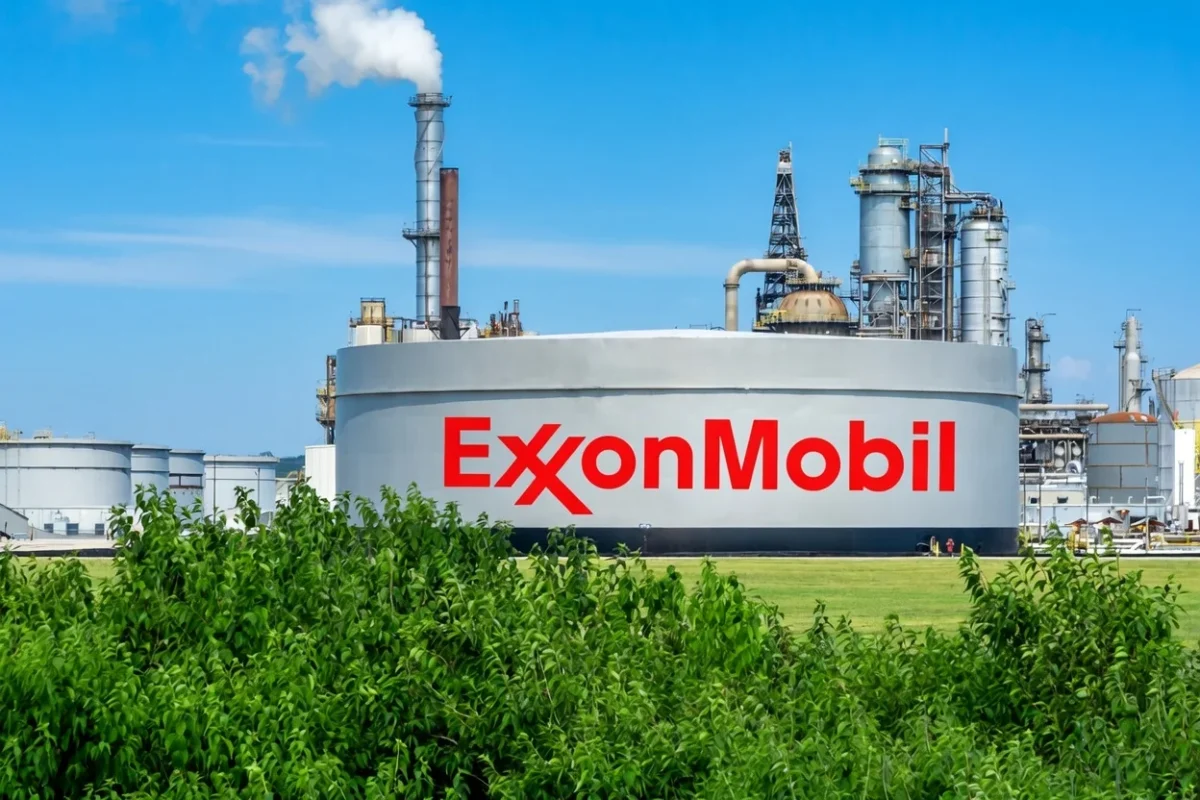
ExxonMobil (XOM) stock rallied 2.9% to trade at $149.41 during late-morning hours, breaking a seven-consecutive-day slide. The advance marks the company’s most significant one-day percentage gain since mid-May, according to Dow Jones Market Data. Intraday trading peaked at $149.59.

Chevron (CVX) rose 2.9% to reach $187.67, representing its largest daily advancement since early March. BP (BP) outpaced competitors with a 3.5% climb to $43.34 — matching its strongest performance since March 11. Shell (SHEL) ADRs increased 2.2% to $85.99. The XLE energy sector ETF advanced 2.3% to $57.56.
The reversal carries notable irony: crude prices had been declining throughout the previous week on expectations of a diplomatic breakthrough between Washington and Tehran. That optimistic scenario has now evaporated.
GasBuddy analyst Patrick De Haan offered a cautious assessment: “The coast is anything but clear.” He observed that although gasoline prices had retreated — the U.S. national average for regular gasoline dropped 19.5 cents during the past week to $4.256 per gallon — escalating geopolitical tensions could swiftly reverse that favorable trend.
Fundamentals Hold Up
Beyond Monday’s geopolitical developments, XOM’s financial performance remains robust. The energy giant posted first quarter earnings per share of $1.16, surpassing analyst consensus estimates of $0.98 by $0.18. Revenue totaled $83.16 billion, exceeding the $81.13 billion forecast — representing a 2.4% year-over-year increase.
ExxonMobil announced a quarterly dividend of $1.03 per share, scheduled for distribution on June 10. The payout translates to a 2.8% annualized dividend yield.
Analyst sentiment remains constructive though not overly enthusiastic. Barclays elevated its price objective to $182 with an Overweight rating on May 26. Scotiabank increased its target to $163 while maintaining a Sector Outperform designation. Mizuho revised its 2026 and 2027 crude oil price forecasts upward and correspondingly raised its XOM valuation.
The consensus recommendation from 21 Wall Street analysts stands at “Hold” with an average price target of $165.55 — approximately 10.8% above Monday’s trading levels.
Institutional Interest Remains Steady
Peapack Gladstone Financial reduced its XOM holdings by 1.7% during the fourth quarter, though it maintains ownership of 708,829 shares worth approximately $85.3 million — representing the firm’s 17th-largest equity position.
Institutional investors collectively control 61.8% of XOM’s outstanding shares. Insider transactions have been limited; Vice President Darrin L. Talley divested 1,080 shares in March at $155.50 per share.
XOM began Monday’s session at $145.42. The equity trades within a 52-week range of $101.18 to $176.41 and commands a market capitalization of $602.75 billion.
Since the commencement of Israeli and U.S. military strikes on Iran on February 28, XOM has declined 2.2% — underperforming its major oil sector peers during that timeframe. BP leads the group with an 11.5% gain over the identical period.
