



Key Highlights
- Bitcoin plummeted 17.3% while Ethereum crashed 22% during the week — marking the largest weekly declines since FTX’s implosion in November 2022
- Cryptocurrency markets saw approximately $390 billion evaporate, leaving total market capitalization barely above $2 trillion
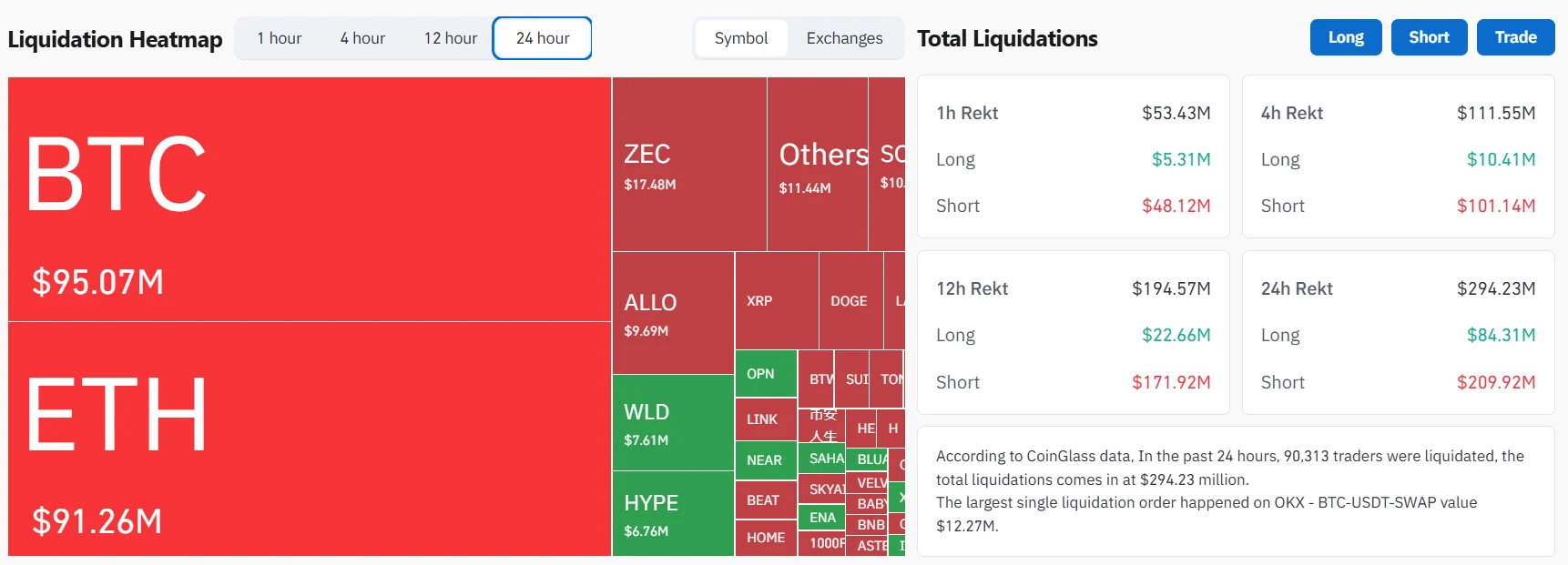
- Liquidations totaled nearly $7 billion in leveraged positions, with $5.7 billion coming from bullish traders
- Strategy broke its multi-year accumulation streak by selling bitcoin, shaking market confidence as ETF redemptions accelerated
- Social sentiment reached peak pessimism levels not seen in months, even as institutional blockchain adoption quietly expanded
Digital currency markets experienced a devastating week that rivals the worst periods in recent history. Bitcoin collapsed 17.3% while Ethereum plunged 22%, representing their most severe weekly retreats since the November 2022 FTX debacle.
The aggregate cryptocurrency market capitalization shed approximately $390 billion in value. This dramatic decline pushed the total market valuation to barely $2 trillion, a sharp contraction from the nearly $4.2 trillion peak recorded in October, based on TradingView analytics.
Traders using leverage faced catastrophic losses. Approximately $7 billion worth of positions were forcibly closed throughout the crypto ecosystem during this turbulent period, per CoinGlass data. The overwhelming majority — roughly $5.7 billion — consisted of long positions, representing traders who had wagered on price appreciation.
Factors Behind the Market Collapse
Multiple catalysts converged simultaneously. Strategy, the corporation holding the largest bitcoin position, revealed it had divested 32 BTC valued at approximately $2.5 million. This represented the firm’s inaugural bitcoin sale in almost four years.

While the quantity was modest, the transaction rattled investors who had viewed Strategy as a dependable source of bitcoin demand. Concerns also emerged about whether the corporation might liquidate additional holdings to satisfy obligations related to its preferred equity arrangements.
Bitcoin ETFs continued experiencing redemptions. According to K33 Research head Vetle Lunde, portions of these outflows represented capital rotation away from cryptocurrencies toward artificial intelligence investments.
As AI-focused equities reached all-time highs and speculation mounted around potential public offerings from entities like OpenAI, Anthropic, and SpaceX, the opportunity cost of maintaining bitcoin exposure became increasingly difficult to rationalize for certain investors.
Zcash experienced a catastrophic 40%+ decline after security researchers leveraged artificial intelligence to identify a severe vulnerability in its privacy architecture.
Employment Data Intensified Selling Pressure
Friday’s surprisingly robust U.S. jobs report amplified the downturn. Financial markets that had anticipated interest rate reductions now face the possibility that the Federal Reserve might actually increase rates.
U.S. Treasury yields jumped sharply. The Nasdaq 100 recorded its most devastating single-day performance since the tariff-induced market selloff in April 2025.
By Saturday, valuations had achieved modest stabilization, though both bitcoin and Ethereum remained near their weekly nadirs — BTC hovering just above $60,000 while ETH traded around $1,550.
Public Sentiment Versus Institutional Momentum
Cryptocurrency social media sentiment descended to its most bearish reading since mid-February, according to Santiment analytics. Terms such as “dead,” “finished,” and “over” appeared alongside bitcoin and cryptocurrency discussions with unprecedented frequency in recent months.
Historically, such widespread capitulation has coincided with market inflection points. A comparable sentiment spike in February preceded substantial market recovery.
Yet beneath the social media panic, institutional blockchain activity persisted uninterrupted. Tokenized real-world assets surpassed $20 billion in cumulative on-chain value during this same tumultuous week. JPMorgan executed live Treasury transaction settlements on blockchain infrastructure, while exchange platform Bullish finalized a $4.2 billion acquisition.
Whether this week’s carnage represents a market floor or merely another phase in an extended downturn remains ambiguous. Interest rate increase concerns, AI investment competition, and macroeconomic uncertainty continue casting shadows over the crypto landscape.
