


Key Takeaways
- An uncommon 25-bitcoin Casascius physical coin minted between 2011 and 2013 had its security hologram peeled away this week.
- The 25 BTC stored inside, currently valued at approximately $1.78 million, were accessed on-chain for the first time in more than 12 years.
- The unsealing was recorded in Bitcoin block 952,159, which was mined by AntPool, with a minimal transaction fee of only $2.79.
- On-chain records reveal that merely 0.01 BTC was transferred out — the remaining 24.99 BTC remained at the original address, indicating the holder was likely verifying the private key.
- This redemption aligns with recent dormant Bitcoin movements, including a 2011 wallet that transferred 35 BTC after 15 years of inactivity.
A physical Bitcoin token valued at $1.78 million was unsealed this week for the first time in more than ten years — here’s a breakdown of what transpired and its significance for collectors and cryptocurrency enthusiasts.
Understanding Casascius Coins
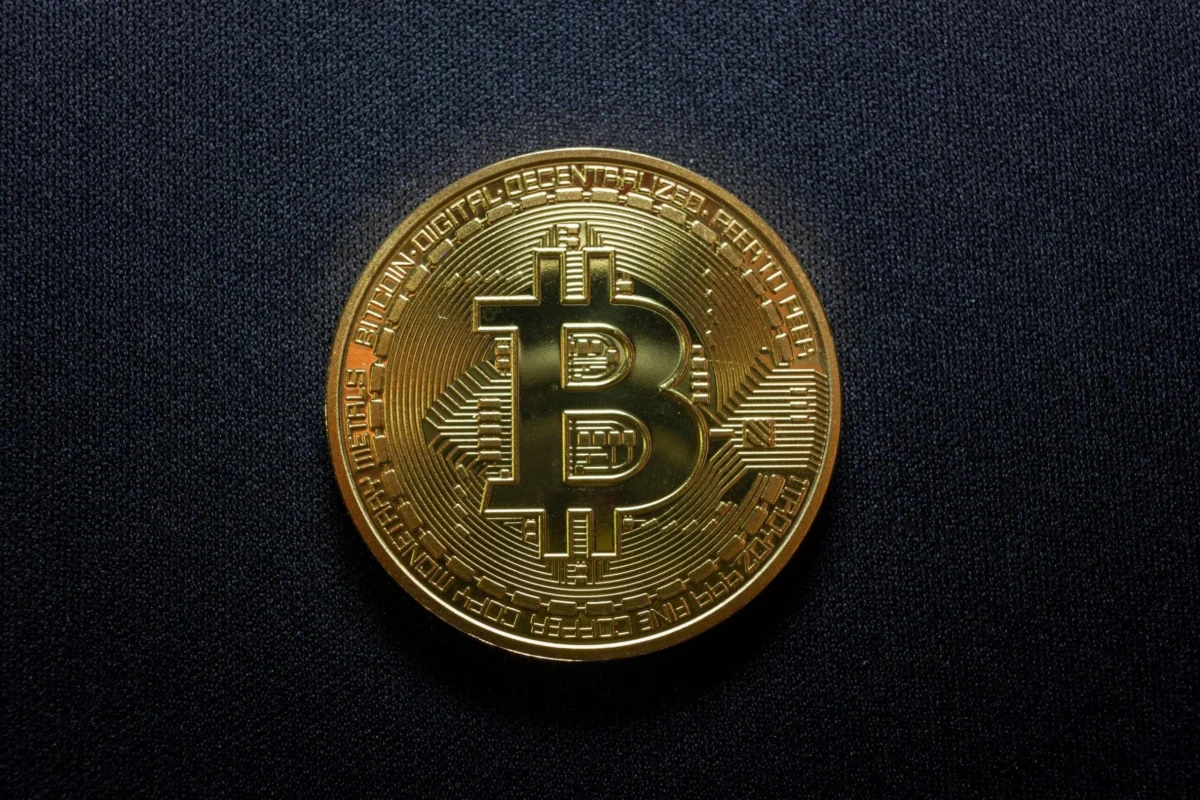
Casascius coins were tangible tokens manufactured by software developer Mike Caldwell from 2011 through 2013. Each piece contained an authentic Bitcoin private key concealed beneath a tamper-proof hologram on its reverse side.
These coins were produced in various denominations spanning from 0.5 BTC up to 1,000 BTC. Caldwell created fewer than 20 units of the 1,000 BTC denomination — each presently valued at roughly $66 million based on current market rates.
The tokens represented an early cold storage solution during the era before hardware wallets became available. They were crafted from various materials including solid brass and gold-plated savings bars.
Caldwell ceased production in late 2013 after the U.S. Financial Crimes Enforcement Network informed him that his operation constituted unlicensed money transmission activities.

The Unsealing Event
On June 2, a 25-bitcoin Casascius coin from the original 2011–2013 production run had its holographic seal removed. The transaction received confirmation in Bitcoin block 952,159, processed by AntPool.
The redemption transaction fee totaled merely $2.79 — an insignificant expense to access $1.78 million worth of Bitcoin.
The procedure is simple yet permanent. Removing the hologram exposes a private key printed on an internal card. The holder then loads that key into a Bitcoin wallet to access the cryptocurrency. Once the hologram is peeled, a lasting honeycomb imprint remains, and the coin permanently forfeits its collectible premium.
Blockchain records highlighted by Galaxy Research indicate the holder transferred only 0.01 BTC to a different address. The balance of 24.99 BTC remained at the original Casascius address.
This pattern suggests the holder may have been validating the private key functionality rather than executing a complete fund transfer.
Collectible Value of Sealed Coins
Unopened Casascius coins generally command prices exceeding their Bitcoin face value. Enthusiasts pay significant premiums for the physical collectible when the holographic seal remains intact.
By breaking the seal, the holder transformed a potentially more valuable collectible item into liquid Bitcoin. Thousands of Casascius coins across all denominations remain unredeemed to this day.
The Casascius initiative also sparked the creation of other physical Bitcoin manufacturers, including Lealana, Denarium, and BTCC. However, Casascius maintains its position as the most sought-after by collectors.
Additional Dormant Bitcoin Activity
This unsealing occurs during a noteworthy period for long-dormant Bitcoin addresses. A different 2011 wallet transferred 35 BTC after remaining inactive for 15 years.
The identity of the Casascius coin holder has not been disclosed.
At the moment of redemption, Bitcoin was valued at approximately $65,219 — reflecting a 3.3% decline over the preceding 24 hours.
