



Key Takeaways
- Bitcoin’s ~$1.56 trillion market capitalization dwarfs Ethereum’s ~$281.8 billion, creating greater upside potential for ETH
- BTC maintains its position as the more secure, institutionally-preferred cryptocurrency with its hard cap of 21 million coins
- ETH secures approximately $166.7 billion in stablecoins and serves as the backbone for DeFi, asset tokenization, and blockchain-based finance
- The Pectra network enhancement increased blob capacity twofold while streamlining validator operations
- Citigroup reduced near-term valuations for both cryptocurrencies, highlighting concerns about Ethereum’s declining network engagement
Bitcoin dominates the cryptocurrency landscape without question. Yet for investors seeking maximum appreciation potential through 2030, Ethereum presents compelling advantages.
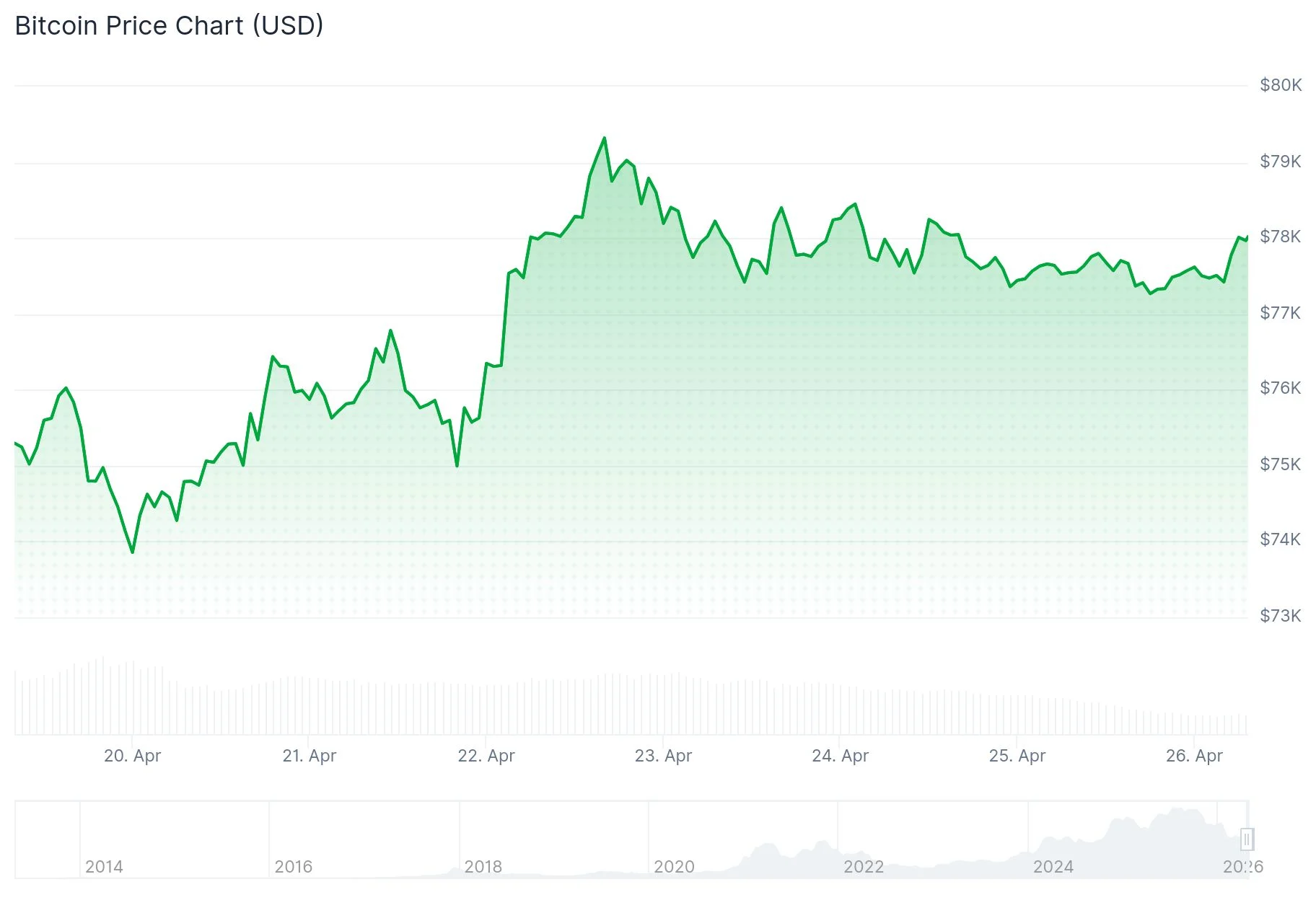
According to CoinGecko data, Bitcoin commands a market capitalization near $1.56 trillion. Ethereum, by contrast, holds approximately $281.8 billion. This substantial valuation differential carries meaningful implications for prospective returns.
Smaller-cap assets require significantly less capital influx to generate price movement. This fundamental dynamic positions Ethereum favorably for percentage-based appreciation going forward.
The investment thesis for Bitcoin remains robust. The protocol enforces an absolute ceiling of 21 million coins. This immutable scarcity forms the foundation of its enduring bullish narrative.

Spot exchange-traded fund activity has resurged in recent quarters. Major corporations persistently accumulate Bitcoin for corporate treasury purposes. These catalysts have sustained BTC within its elevated price corridor.
These characteristics explain why Bitcoin represents the lower-risk cryptocurrency allocation. It offers the most straightforward value proposition alongside the broadest institutional endorsement.
Ethereum’s Valuation Depends on Utility Metrics
Ethereum operates under a fundamentally different model. Its valuation derives primarily from network usage rather than programmatic scarcity.
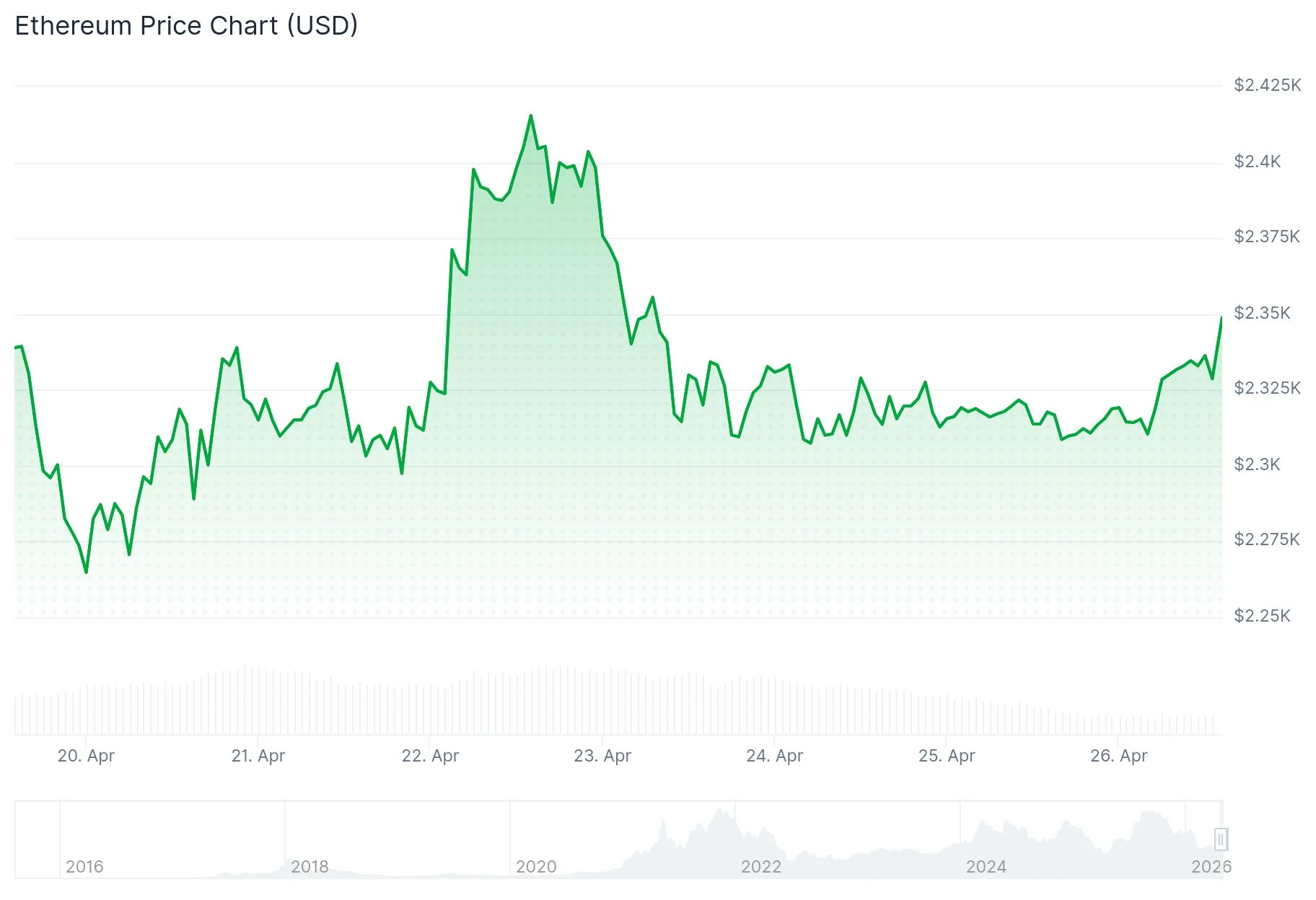
According to DefiLlama metrics, the Ethereum network secures roughly $166.7 billion worth of stablecoins. This positions it as the primary infrastructure for digital dollar transactions and cryptocurrency settlement operations.
Stablecoins, real-world asset tokenization, and decentralized finance represent some of the most rapidly expanding segments within digital assets. Should this expansion persist, Ethereum stands to capture substantial value accumulation.
The Ethereum infrastructure continues evolving through systematic upgrades. Ethereum.org documentation confirms Pectra and Fusaka deployments are live, while Glamsterdam and Hegotá remain under active development.
The Ethereum Foundation confirmed that Pectra doubled data blob processing capacity, elevated maximum validator stake limits, and accelerated validator activation timelines.
These protocol enhancements strengthen both scalability and staking mechanics. Such improvements can drive increased user adoption and capital deployment across the network.
Ethereum Faces Meaningful Headwinds
Ethereum’s growth trajectory carries elevated risk factors. Reuters coverage from March noted that Citigroup reduced its 12-month price projections for both major cryptocurrencies.
Citigroup explicitly identified diminishing user engagement as a vulnerability for Ethereum. This represents the critical challenge. Ethereum requires sustained expansion of its application ecosystem. Bitcoin does not face this dependency.
Final Thoughts
Across a five-year investment timeframe, Ethereum provides multiple appreciation pathways. It can expand through stablecoin adoption, decentralized finance growth, tokenization initiatives, staking participation, and protocol improvements—all from a substantially lower baseline valuation.
Bitcoin can continue appreciating as programmable scarcity, institutional reserve asset, and ETF-accessible investment vehicle.
Both cryptocurrencies maintain viable growth trajectories. However, Ethereum possesses greater diversification across value drivers.
Citigroup’s recent target reductions for both assets represent the latest institutional indication that measured expectations are appropriate for both Bitcoin and Ethereum in the immediate term.
