


Key Takeaways
- SpaceX launched its initial public offering at $135 per share, generating $75 billion in what could become history’s biggest market debut
- Major index futures—S&P 500, Dow Jones, and Nasdaq—all climbed Friday morning before SpaceX’s market launch
- Markets rallied after President Trump halted military action against Iran on Thursday
- Crude oil tumbled up to 5% amid growing optimism for a U.S.-Iran diplomatic agreement
- Friday’s economic calendar includes the University of Michigan consumer sentiment report
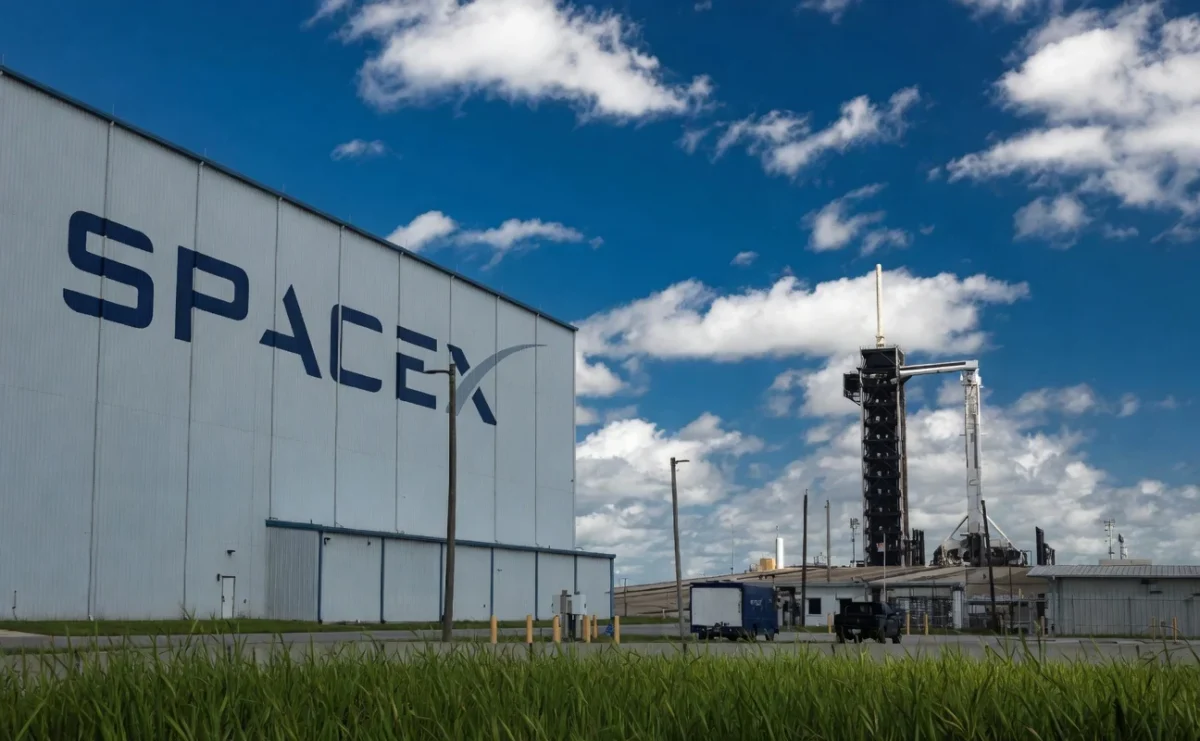
Elon Musk’s SpaceX commenced its highly anticipated market debut Friday following Thursday evening’s IPO pricing at $135 per share. The aerospace and artificial intelligence firm secured approximately $75 billion in capital, positioning the offering as potentially the largest in Wall Street history. The company’s projected market capitalization stands at $1.78 trillion.
With this valuation, SpaceX CEO Elon Musk appears positioned to achieve trillionaire status—a first in human history.
Trading wasn’t expected to commence before 11:30 a.m. Eastern. Such delays are standard practice, allowing exchanges adequate time to determine an appropriate opening price.
According to Hargreaves Lansdown analyst Matt Britzman, the offering represents “set to be one of the biggest moments for markets today.” However, he warned that robust pre-IPO demand doesn’t necessarily guarantee sustained buying pressure once shares hit the open market.
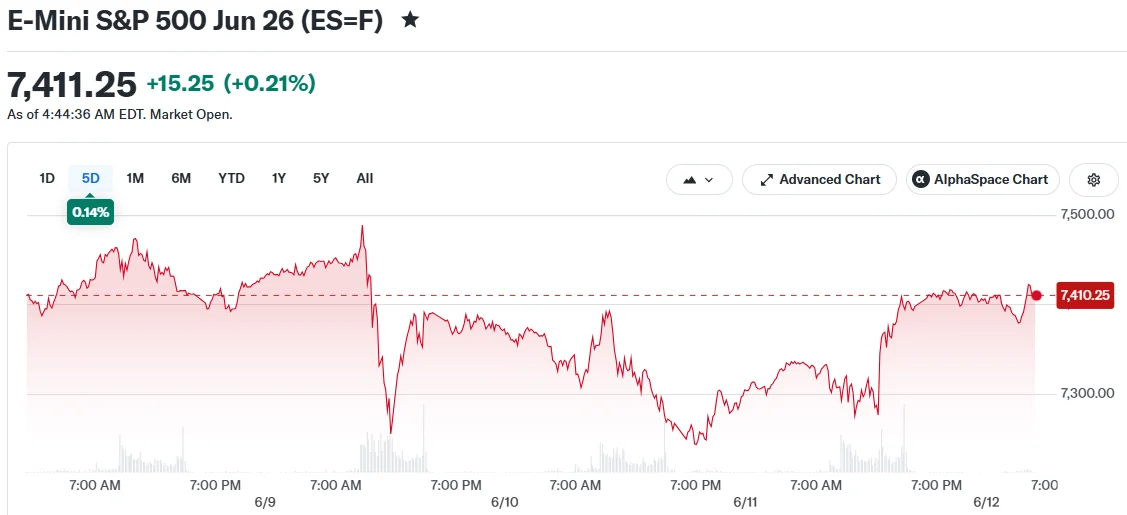
Futures contracts advanced in anticipation of the debut. S&P 500 futures climbed 0.7%, Nasdaq 100 futures increased 0.7%, while Dow futures surged approximately 437 points, representing a 0.9% gain.

Diplomatic Breakthrough with Iran Boosts Market Confidence
Thursday’s market surge stemmed primarily from White House developments. President Trump revealed he had cancelled planned military strikes against Iranian facilities and indicated ongoing diplomatic negotiations with Tehran were advancing.
This announcement propelled stocks substantially higher Thursday. The leading semiconductor index recorded its strongest single-day performance in over twelve months.
This bullish momentum extended into Friday’s session. Market participants are closely monitoring developments for indications that Washington and Tehran might finalize an agreement before next week’s G7 summit.
Emerging reports indicate both nations may be approaching a framework that would guarantee access through the Strait of Hormuz, a critical waterway for international petroleum shipments.
Crude Markets Plunge on Diplomatic Progress
Oil prices experienced significant declines Friday. Brent crude futures decreased 4.3% to $86.52 per barrel. West Texas Intermediate declined 4.5% to $83.78 per barrel.
During earlier trading, Brent had plummeted as much as 5%, touching its lowest point since March.
The U.S. dollar weakened 0.1% versus a basket of major global currencies. The 10-year Treasury yield decreased 2 basis points to 4.45%.
Market observers are also awaiting the University of Michigan’s consumer sentiment index, scheduled for Friday release. The primary indicator dropped to a record low of 44.8 in May, underscoring persistent anxieties regarding economic conditions and inflationary pressures.
In separate developments, Rocket Lab alongside four additional companies are scheduled to enter the Nasdaq 100, potentially directing further attention toward the aerospace industry during an already eventful trading session.
Bitcoin trading remained confined to a narrow range following a modest rebound, while gold appreciated roughly 2% after Trump’s Iran statement but continues trending toward a weekly decline.
