


Key Takeaways
- Citi analysts upgraded Boeing’s price target from $256 to $260, maintaining their Buy recommendation while characterizing the aerospace defense decline as an attractive entry point
- Defense operations generated $7.6 billion during the first quarter, marking a 21% annual increase, while the order backlog reached an unprecedented $86 billion
- First quarter results exceeded forecasts with an EPS loss of just -$0.20 versus projected -$0.68, while revenues climbed 14% to $22.22 billion
- Beijing validated a commitment for 200 commercial jets, while board member Bradley D. Tilden acquired nearly $300,000 in company shares
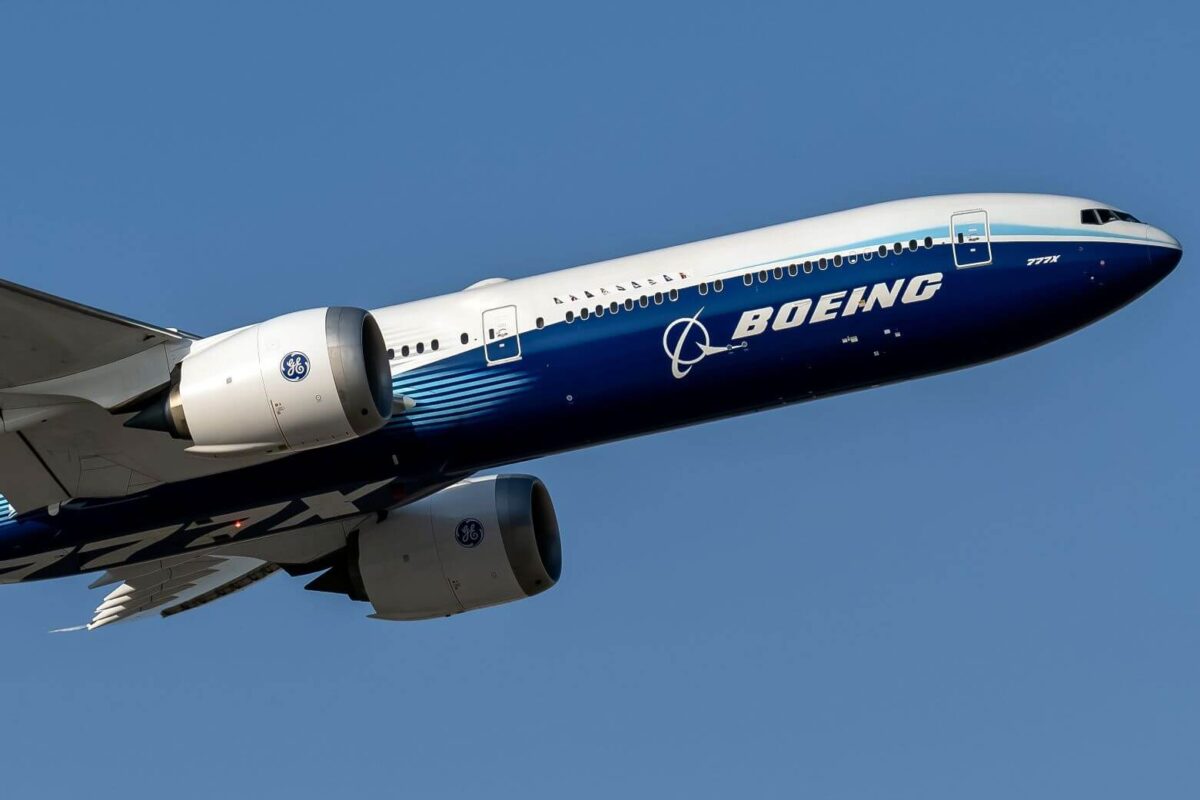
- Challenges persist with 777X approval timeline extensions and ongoing scrutiny of fixed-price military development agreements
Boeing (BA) stock began Friday’s session at $219.18, trading narrowly above its 200-day moving average of $218.62, while investors increasingly focus attention on the aerospace giant’s military operations.
Citi analysts elevated their Boeing valuation target to $260 from the previous $256 this week, keeping their positive outlook intact. The firm characterized the recent aerospace and defense sector correction as a strategic buying window, highlighting Boeing’s strengthening defense portfolio as central to the turnaround narrative.
First quarter financial data supports this perspective. Boeing’s Defense, Space & Security division delivered $7.6 billion in quarterly revenue, representing a 21% year-over-year expansion. Operating profit in this segment improved to $233 million compared to $155 million in the prior year period, while the order book swelled to a historic $86 billion, with international contracts accounting for 27%.

Consolidated company revenues reached $22.22 billion in Q1, marking a 14% annual gain and surpassing Wall Street’s $22.15 billion projection. The per-share loss of -$0.20 significantly outperformed the consensus estimate of -$0.68, providing momentum for optimistic investors.
Boeing’s total backlog expanded to an all-time high of $695 billion.
Neverthstanding these positives, the commercial aviation segment continues facing headwinds. Boeing recorded a GAAP loss of 11 cents per share, while 777X certification efforts have encountered complications, with “hot brakes” issues receiving heightened attention from regulators. These developments pressured shares and reignited execution concerns.
Military Contracts Strengthen Long-Term Outlook
Beyond quarterly performance metrics, Boeing secured a seven-year framework agreement with the U.S. Department of War during April to triple manufacturing output of PAC-3 seekers utilized in Patriot missile defense systems. The company has invested over $200 million in expanding this production infrastructure at its Huntsville, Alabama facility since 2024.
The proposed fiscal 2026 defense budget allocates $2.5 billion toward missile and munitions manufacturing, sustaining favorable government procurement trends.
In March 2025, Boeing received the engineering and manufacturing development contract for the F-47, the Air Force’s Next Generation Air Dominance platform — positioned as the globe’s inaugural sixth-generation fighter jet. This award provides the defense division with a foundational long-duration program.
Chinese Aircraft Commitment and Strategic Share Purchases
Beijing validated a 200-aircraft Boeing purchase as component of expanded U.S.-China commercial negotiations, unlocking a market that had remained dormant. While certain market participants anticipated a more substantial commitment, which may be tempering immediate upside potential, the agreement nonetheless enhances demand predictability.
Regarding institutional positioning, Connors Investor Services established a fresh stake valued at approximately $10.46 million during Q4. AXA S.A. expanded its holdings by more than 1,200%. Institutional ownership currently represents roughly 64.82% of outstanding shares.
Board member Bradley D. Tilden purchased 1,370 Boeing shares at $218.50 per share on May 20th, totaling $299,345, according to SEC disclosure documents.
The Wall Street analyst consensus stands at “Moderate Buy” with a mean price objective of $259.80.
