


Quick Overview
- XRP’s market capitalization stands at approximately $89.4B compared to Solana’s $55.1B, positioning Solana with greater percentage gain potential
- XRP specializes in payment systems and international money transfers; Solana encompasses payments, stablecoins, decentralized trading, and asset tokenization
- March 2026 saw Solana introduce its Developer Platform with Mastercard, Worldpay, and Western Union among initial participants
- While Ripple’s SEC litigation has concluded, a $125 million penalty and restrictions on institutional token offerings persist
- Market experts generally recommend Solana for extended growth trajectories and XRP for stable, payment-centric exposure
XRP and Solana represent two of the cryptocurrency sector’s most closely monitored assets. However, selecting between these digital currencies requires more than comparing size or transaction speed. Each blockchain network presents a distinct value proposition, and their current trajectories diverge significantly.
According to CoinGecko data, XRP commands a market valuation of approximately $89.4 billion, while Solana holds roughly $55.1 billion. Although XRP maintains the larger capitalization, this positioning actually provides Solana with superior percentage-based expansion opportunities should mainstream acceptance accelerate.
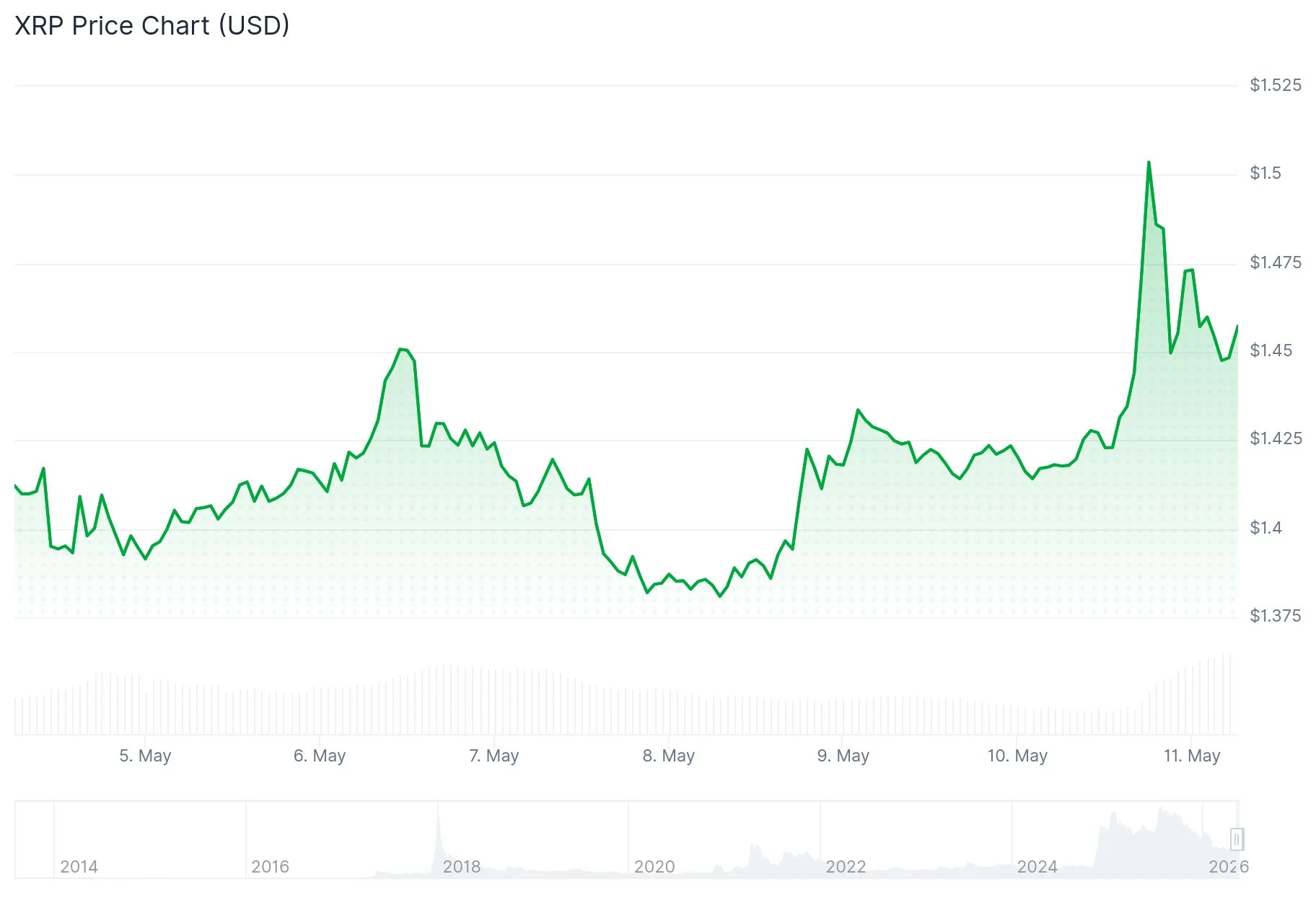
XRP was engineered specifically for financial transactions. The XRP Ledger processes settlements within 3 to 5 seconds while maintaining costs below one cent per transaction. This efficiency remains a compelling advantage, and Ripple has progressively expanded into institutional banking, asset tokenization, and regulatory compliance infrastructure layered onto this foundation.
Ripple’s protracted legal confrontation with the SEC has officially concluded. Nevertheless, the $125 million financial penalty and injunction restricting institutional token distribution remain enforceable. While the primary regulatory uncertainty has dissipated, complete resolution hasn’t been achieved.

Solana’s Diversified Expansion Strategy
Solana operates across multiple blockchain verticals. Its ecosystem encompasses stablecoin infrastructure, commercial payment processing, decentralized exchange activity, tokenized real-world assets, and enterprise blockchain solutions. This diversified approach creates multiple revenue streams and reduces dependency on any single sector.
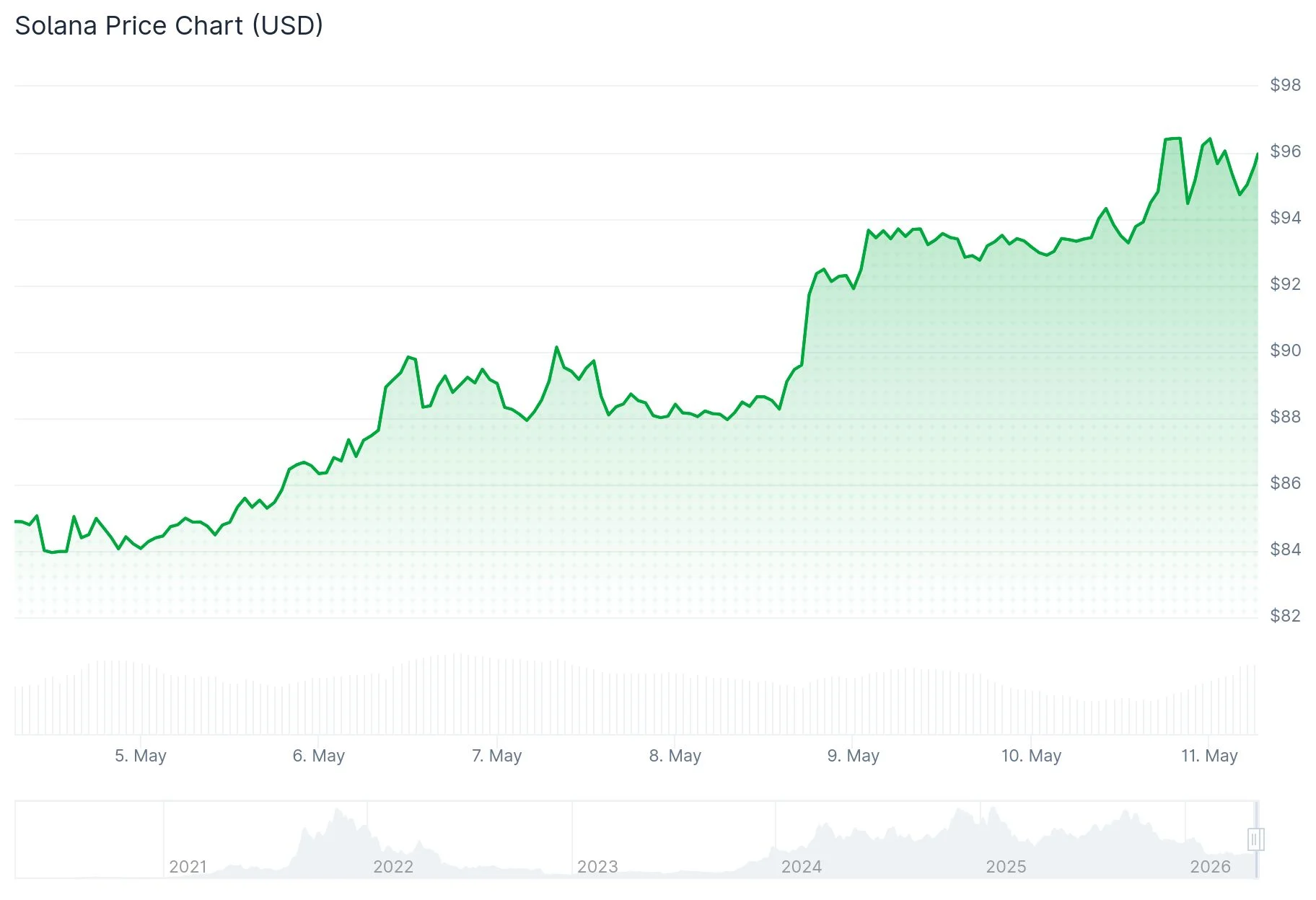
The Solana Foundation unveiled its Developer Platform in March 2026, specifically designed for corporations constructing blockchain-powered payment and issuance infrastructure. Mastercard, Worldpay, and Western Union appear among the inaugural corporate participants. This development clearly demonstrates Solana’s ambition to penetrate legitimate financial infrastructure rather than limiting itself to consumer-focused cryptocurrency applications.
Solana experiences continuous token inflation through its staking reward mechanism, although this inflation rate decreases progressively. XRP features zero new token creation since its complete supply was established at genesis, providing more straightforward supply economics superficially.
This represents a meaningful distinction. XRP presents simpler tokenomics from an analytical perspective. However, Solana’s network utilization and practical applications have demonstrated more rapid expansion.
XRP’s Persistent Competitive Advantages
XRP continues to represent the superior option for investors seeking concentrated exposure to payment-focused cryptocurrency infrastructure. Its market positioning remains unambiguous, and Ripple persistently integrates it into banking systems and international settlement networks at the institutional tier.
For shorter investment horizons, XRP typically demonstrates greater stability during periods of negative market sentiment. It experiences less severe price fluctuations compared to Solana, which can undergo more dramatic corrections when investor risk appetite diminishes.
Solana demonstrates higher probability of superior long-term performance, though this comes paired with elevated volatility. Potential investors must accept this volatility profile before prioritizing it over XRP.
The most recent significant milestone remains Solana’s March 2026 enterprise platform introduction, which secured participation from three prominent financial services corporations as founding users. This development represents the strongest current indicator of where institutional momentum favors one asset over the other.
