


Key Takeaways
- Yuga Labs has concluded its lengthy legal battle with artist Ryder Ripps and associate Jeremy Cahen regarding unauthorized Bored Ape NFT replicas
- Ripps’ RR/BAYC project utilized Bored Ape Yacht Club visuals, which he defended as satirical expression and constitutionally protected artwork
- While a district court judge originally granted Yuga approximately $9 million in compensation, an appellate court reversed the decision
- The final settlement includes a permanent prohibition on Ripps and Cahen’s use of Yuga’s intellectual property and branded assets
- Financial details of the settlement agreement remain confidential
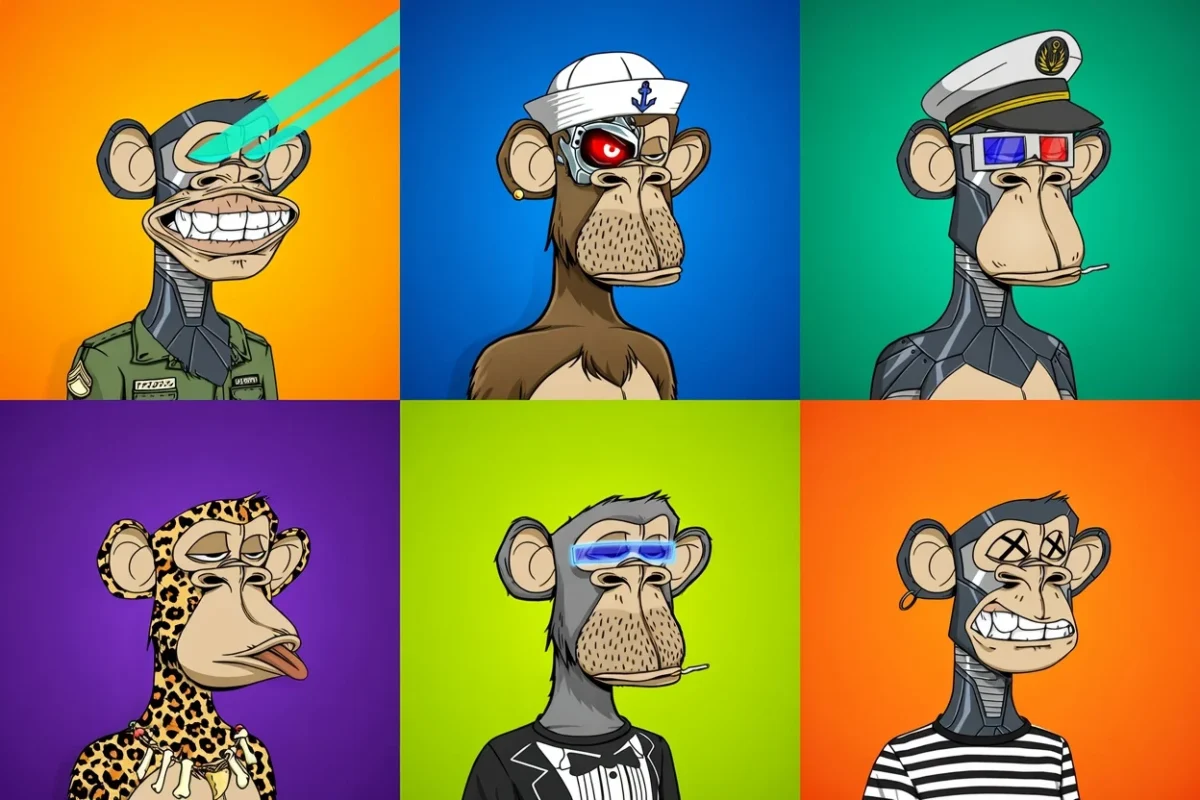
Yuga Labs has reached a resolution in its legal dispute with artist Ryder Ripps and associate Jeremy Cahen. The conflict revolved around an NFT series that duplicated visual elements from the Bored Ape Yacht Club.
The legal proceedings began in 2022. Yuga alleged that Ripps and Cahen distributed imitation tokens branded as RR/BAYC, generating substantial revenue by misleading purchasers into believing the assets were affiliated with the authentic collection.
Ripps contested these allegations. He characterized his endeavor as “expressive appropriation art” and maintained it represented satirical commentary safeguarded by First Amendment protections. He further claimed the original Bored Ape Yacht Club concealed racist and antisemitic symbols within its designs, allegations Yuga dismissed as part of a targeted harassment effort.
In 2023, U.S. District Judge John Walter ruled in favor of Yuga. He determined the replica tokens risked creating marketplace confusion and infringed upon Yuga’s trademark protections.
Walter mandated Ripps and Cahen remit approximately $9 million covering profit disgorgement, fines, and attorney costs.

Appellate Court Intervention
The U.S. Court of Appeals for the Ninth Circuit subsequently reversed that judgment. Though the appellate panel rejected most of Ripps’ fair use defense, it eliminated the $9 million award and mandated a jury trial to determine whether consumers were genuinely deceived.
That Ninth Circuit decision is broadly recognized as establishing precedent confirming NFTs qualify for trademark law protection.
The settlement now eliminates the need for that trial. A filing submitted to California federal court proposed permanent orders prohibiting Ripps and Cahen from utilizing Yuga’s trademarks or visual content moving forward.
The monetary terms of the settlement remain undisclosed.
Context on the Involved Parties
Ripps had previously generated controversy by asserting he eliminated the private keys controlling the RR/BAYC project. Yuga subsequently requested the court impose sanctions against him for that statement.
Cahen, recognized online as Pauly0x, had developed an NFT trading platform titled Not Larva Labs. The platform’s name alluded to Larva Labs, the original architects of CryptoPunks. Yuga Labs previously held the CryptoPunks intellectual property rights.
Bored Ape Yacht Club emerged as among the most prominent NFT franchises during the market’s height. The collection attracted high-profile purchasers and commanded some of the NFT sector’s highest valuations.
The two-year litigation has now concluded with the settlement filed on April 8, 2026.
