



Key Takeaways
- Bitcoin (BTC) has evolved into a recognized macro asset alongside traditional investments, with approved spot ETFs and growing sovereign interest
- Ethereum (ETH) serves as the foundational infrastructure for DeFi ecosystems, stablecoin operations, and tokenized real-world assets, featuring deflationary supply mechanics
- Solana (SOL) has emerged as the top Layer 1 blockchain by active user metrics and daily transaction throughput following its post-FTX recovery
- Chainlink (LINK) maintains market leadership as the premier oracle solution, bridging blockchain smart contracts with off-chain data sources essential for tokenization
- Avalanche (AVAX) attracts enterprise clients through its customizable subnet technology, securing partnerships with major corporations like Amazon Web Services and Deloitte
The cryptocurrency landscape entering 2025 represents a fundamental shift from previous market cycles. Major financial institutions have established positions, regulatory frameworks are crystallizing, and formerly speculative applications now demonstrate real-world utility.
Bitcoin exchange-traded funds have accumulated billions in assets under management. Blockchain networks facilitate the tokenization of tangible assets. Decentralized financial protocols handle trillions in aggregate transaction volume. The critical consideration becomes identifying which digital assets will capture the greatest value appreciation over multi-year timeframes.
This analysis examines five cryptocurrency projects organized into distinct categories: three large-capitalization tokens backed by institutional capital, alongside two mid-tier opportunities offering enhanced growth trajectories.
Bitcoin (BTC)
Bitcoin has transcended its origins as purely digital currency. Leading investors now categorize it as a macro-level asset comparable to precious metals like gold.

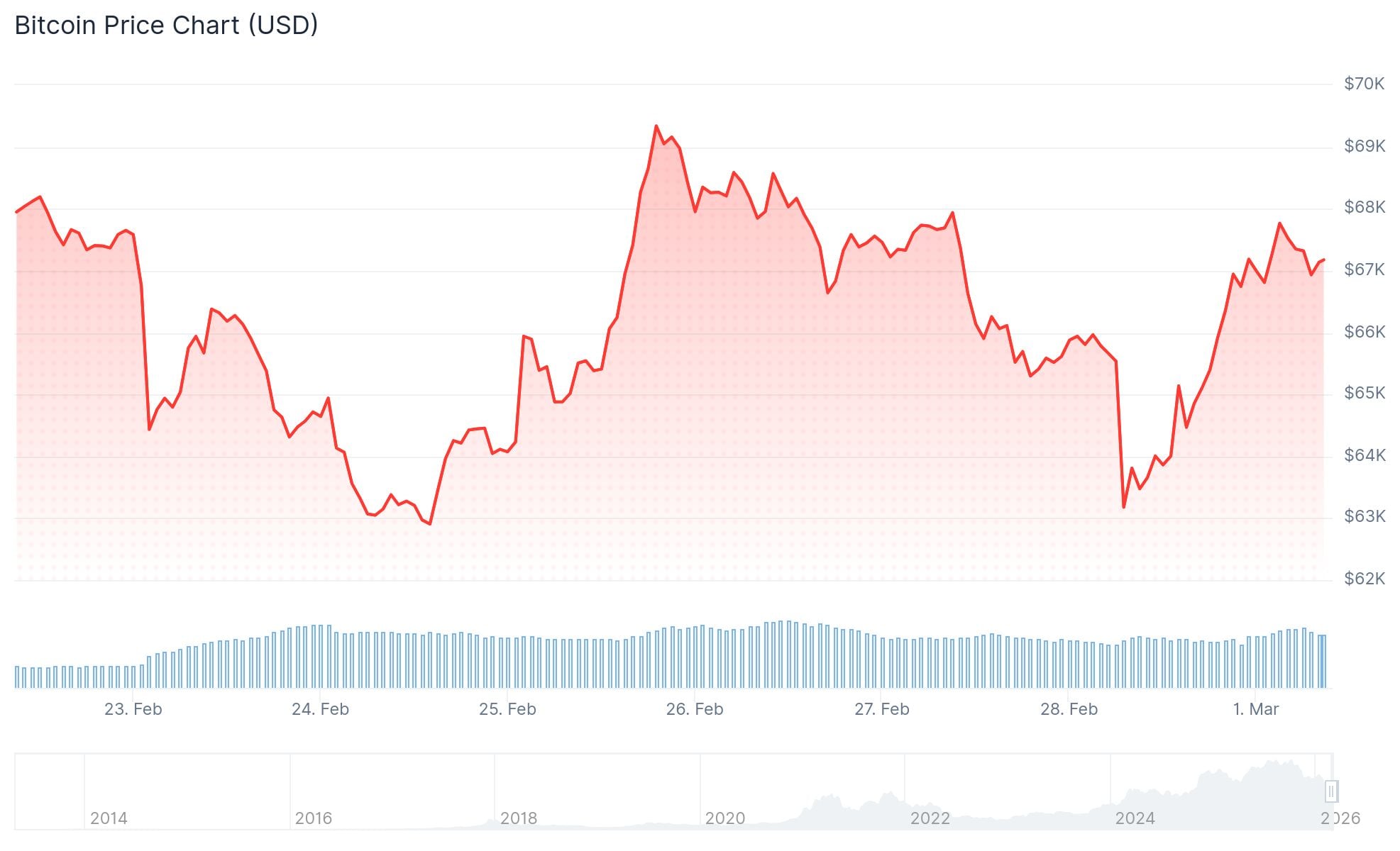
Regulatory approval of spot Bitcoin ETFs in United States markets has integrated the asset into conventional investment vehicles. The protocol enforces an absolute supply ceiling of 21 million coins, eliminating any possibility of arbitrary inflation by governing authorities.
The 2024 halving event further constrained the issuance rate of new Bitcoin entering market circulation. National sovereign wealth funds have initiated exploration of Bitcoin allocation strategies, establishing additional institutional demand pressure.
Ethereum (ETH)
Ethereum functions as the foundational infrastructure supporting substantial portions of the cryptocurrency ecosystem. The network enables decentralized financial applications, stablecoin protocols, non-fungible token platforms, and real-world asset tokenization systems.
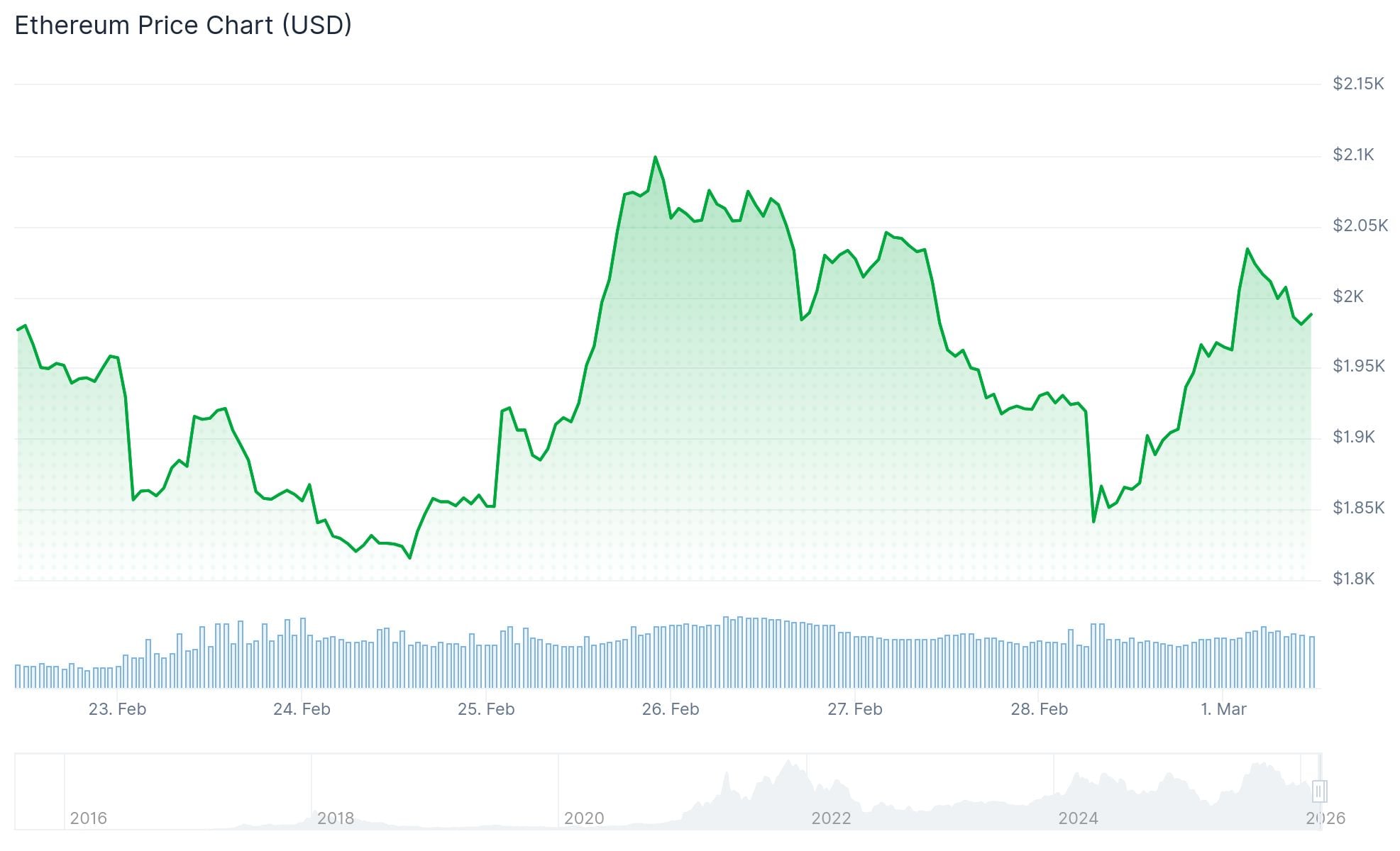
Following the transition to Proof-of-Stake consensus, Ethereum exhibits deflationary supply characteristics when network utilization reaches elevated levels. Scaling solutions including Base, Arbitrum, and Optimism operate as Layer 2 networks built atop Ethereum’s security foundation, experiencing rapid expansion in user adoption metrics.
Solana (SOL)
Solana faced existential crisis following exposure to the FTX collapse during 2022. The network has achieved remarkable recovery, currently commanding leadership among Layer 1 blockchain platforms measured by daily active addresses and transaction throughput.
The protocol facilitates consumer payment applications, decentralized physical infrastructure projects, and high-frequency token operations. Developer activity on Solana maintains accelerated momentum across multiple verticals.
Mid-Capitalization Opportunities
Chainlink (LINK)
Chainlink represents the established leader within the oracle network sector. The protocol provides smart contracts with connectivity to external data sources encompassing asset prices, benchmark rates, and additional off-chain information streams.
Integration spans virtually every significant DeFi protocol currently operating. The expanding tokenization of traditional assets amplifies demand for dependable data infrastructure solutions that Chainlink delivers.
Avalanche (AVAX)
Avalanche enables enterprises to deploy proprietary blockchain environments utilizing its subnet framework. These customized networks maintain interoperability with the comprehensive Avalanche ecosystem while meeting specific organizational requirements.
Amazon Web Services and Deloitte represent notable institutional collaborators with the Avalanche platform. The native token currently trades significantly below historical peak valuations while development efforts continue targeting institutional adoption.
Avalanche’s strategic direction emphasizes enterprise applications demanding regulatory compliance and high-performance capabilities isolated from public blockchain networks.
