


Key Highlights
- Samsung SDI secured its inaugural long-term electric vehicle battery supply agreement with Mercedes-Benz
- High-nickel NCM chemistry batteries will power upcoming compact and midsize electric SUVs and coupes
- Deal estimated to surpass 10 trillion won (approximately $6.8 billion), with delivery volumes reaching tens of GWh
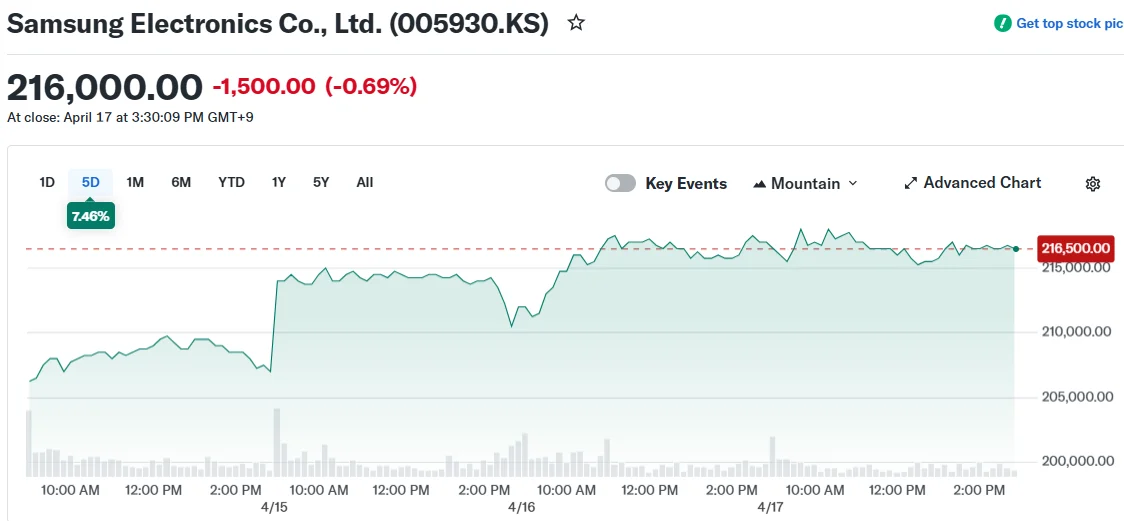
- Samsung SDI shares climbed 4.87% following the announcement; Mercedes-Benz stock declined 2.49%
- Mercedes-Benz joins Samsung SDI’s expanding European client roster, including BMW and Volkswagen
Samsung SDI finalized its inaugural electric vehicle battery supply contract with Mercedes-Benz this Monday, propelling its shares upward by 4.87%. The landmark agreement was formally unveiled during a ceremony held in Seoul, with senior leadership from both corporations in attendance.
The battery cells will incorporate high-nickel nickel-cobalt-manganese (NCM) technology. According to Samsung SDI, this chemistry provides superior energy density, extended driving range, enhanced durability, and robust performance capabilities.
Mercedes-Benz intends to integrate these batteries into forthcoming compact and midsize electric sport utility vehicles and coupe variants. Sources within the industry indicate the batteries are designated for a new electric vehicle model slated for 2028.
Samsung SDI refrained from publicly announcing the precise contract value. Nevertheless, industry insiders estimate delivery volumes in the tens of gigawatt-hours, with the overall agreement anticipated to exceed 10 trillion won — approximately $6.8 billion.

The Seoul ceremony featured Samsung SDI President and CEO Choi Joo-sun, alongside Mercedes-Benz Group Chairman Ola Kallenius and Chief Technology Officer Jorg Burzer.
Long-Term Negotiations Bear Fruit
This collaboration represents the culmination of extended negotiations. Samsung Electronics Chairman Lee Jae-yong had been cultivating a stronger relationship with Mercedes-Benz over an extended period.
Last November, Kallenius made a visit to South Korea, where he met with Lee at Samsung’s exclusive VIP residence in Seoul. Their discussions explored potential collaboration opportunities spanning automotive electronics and battery technology.
Progress accelerated when Lee journeyed to Germany accompanied by Samsung SDI President Choi for direct negotiations with Mercedes-Benz leadership.
Samsung’s pre-existing commercial relationship with Mercedes-Benz provided solid groundwork for this battery agreement. Samsung’s subsidiary Harman currently provides the German automaker with infotainment systems and premium audio solutions.
For Mercedes-Benz, this contract diversifies a supplier network that already features Korean battery manufacturers LG Energy Solution and SK On. The automotive giant has been strategically expanding its battery procurement channels in preparation for its next-generation electric vehicle launch.
Strategic Implications for Samsung SDI
This agreement positions Mercedes-Benz alongside an expanding portfolio of European automotive clients, which already encompasses BMW and Volkswagen.
Samsung SDI emphasized that the batteries would incorporate its exclusive safety technology systems, which the company identified as a crucial competitive advantage in securing this contract.
Beyond the immediate supply commitment, both organizations indicated plans to broaden their collaboration to encompass joint research and development of advanced battery technologies and emerging mobility solutions.
“This collaboration merges the pioneering spirit of both enterprises,” stated a Samsung SDI representative.
Mercedes-Benz characterized the agreement as securing “a reliable source of advanced battery technology, an essential element of the brand’s electric transformation roadmap.”
The substantial order is projected to enhance Samsung SDI’s revenue streams and optimize manufacturing facility capacity utilization. The multi-year contract focuses on production for Mercedes-Benz’s 2028 electric vehicle portfolio.
