



Quick Overview
- Ethereum commands a significantly larger market capitalization at approximately $274B compared to Solana’s $49B, positioning it as the institutional favorite
- The Pectra upgrade enhanced Ethereum’s blob capacity by 2x while streamlining staking operations
- Solana unveiled its institutional-focused Developer Platform in March, coinciding with Morgan Stanley’s Solana ETF filing
- During Q1 2026, Solana captured 30.6% of spot DEX trading volume, though Ethereum regained dominance by March’s end
- Ethereum represents stability and institutional trust, while Solana presents higher risk-reward dynamics with significant upside potential
Ethereum continues to reign as the leading smart-contract blockchain by valuation, yet Solana is narrowing the distance with legitimate institutional traction. Each cryptocurrency presents compelling arguments for consideration, albeit from distinctly different perspectives.
According to CoinGecko data, Ethereum’s valuation stands at approximately $274 billion, while Solana registers around $49 billion. This substantial gap illustrates where market confidence predominantly lies in the smart-contract ecosystem. Ethereum enjoys deeper integration across institutional trading infrastructure and regulated crypto investment vehicles.
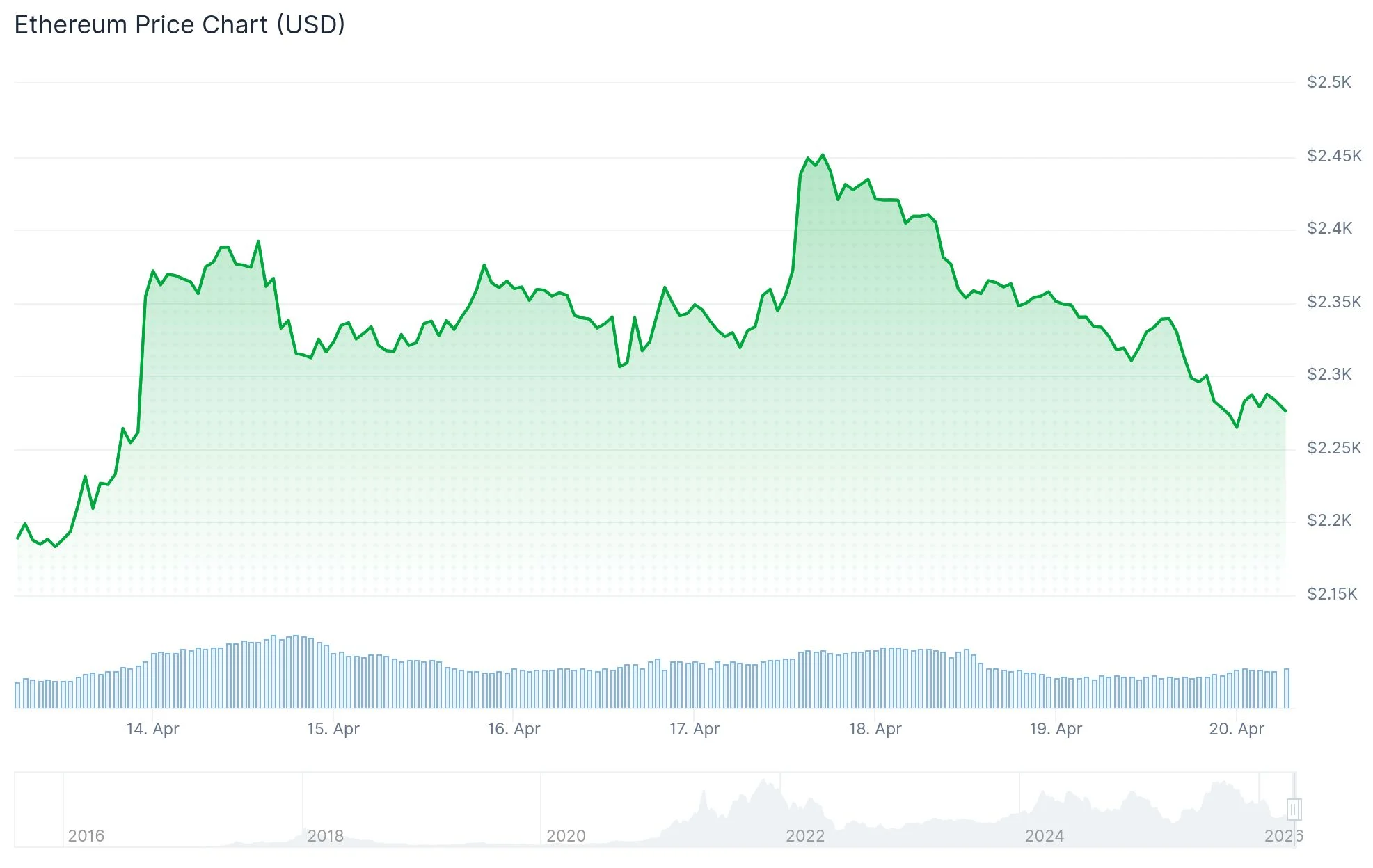
Solana’s comparatively modest market cap suggests greater upside potential, though it simultaneously exposes holders to heightened volatility during market downturns.
Ethereum’s fundamental thesis centers on its position at the heart of cryptocurrency’s most critical financial infrastructure. When Citigroup reduced its ether price forecast earlier this year following declining user metrics, analysts still highlighted stablecoins and asset tokenization as fundamental pillars supporting network demand.

These sectors represent precisely where traditional finance institutions are concentrating their blockchain development efforts.
Ethereum Continues Meaningful Development
Ethereum’s technical evolution shows no signs of slowing. The Ethereum Foundation announced in February that the Pectra upgrade successfully doubled blob capacity, increased maximum validator stakes, and accelerated validator activation times.
Fusaka has already deployed to mainnet. Glamsterdam and Hegotá remain on schedule for delivery later in 2026. These represent substantive improvements enhancing scalability and validator economics, not merely aspirational whitepaper concepts.
Solana has evolved beyond its perception as merely a high-risk alternative. The Solana Foundation introduced its Developer Platform in March, offering a consolidated API framework targeting institutions and enterprises constructing blockchain applications. The initiative emphasizes payment systems, financial infrastructure, and enterprise-grade blockchain solutions.
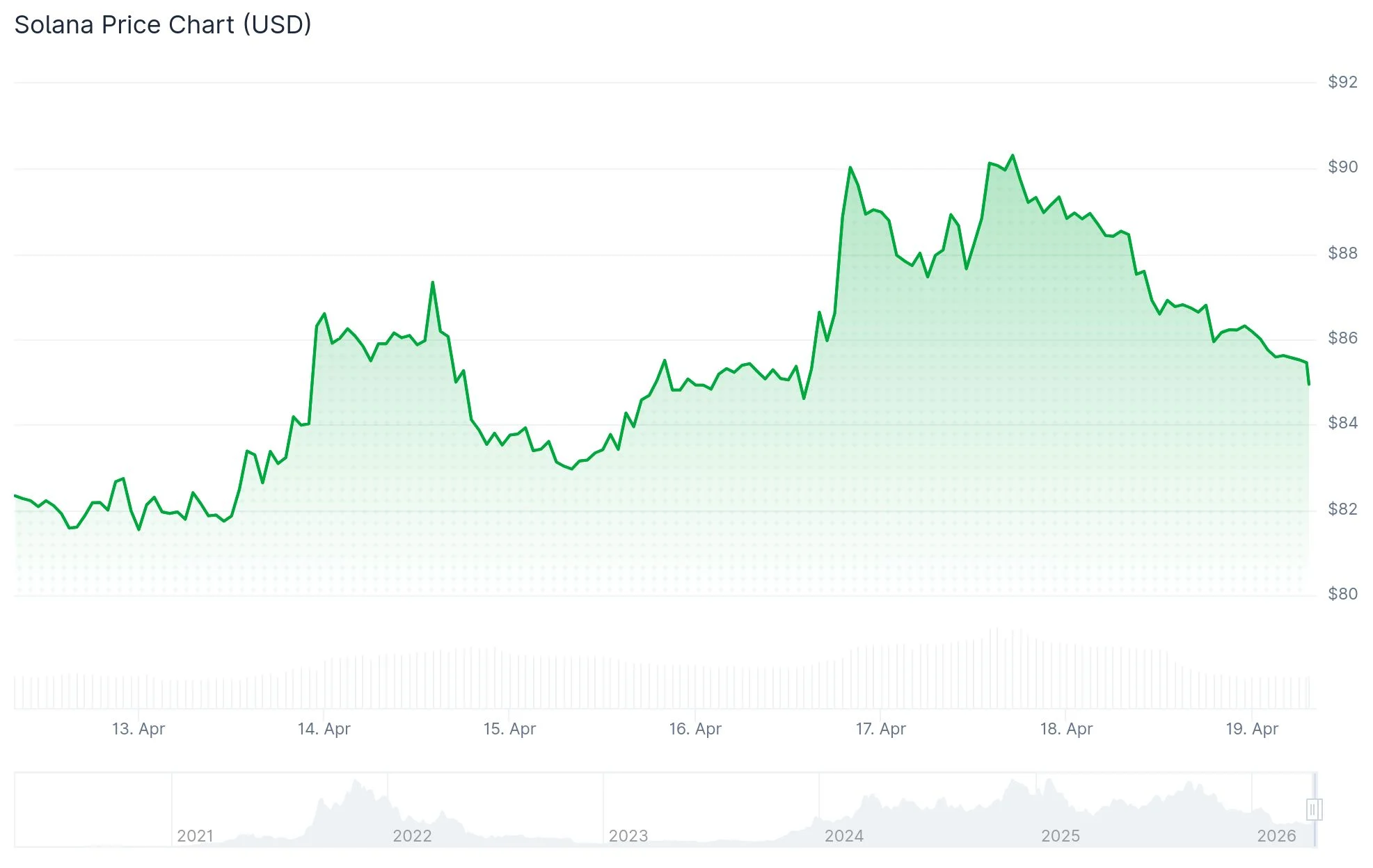
Morgan Stanley submitted Solana exchange-traded fund applications in January, Reuters reported. This filing signals genuine interest from established financial institutions.
On-Chain Metrics Reveal Complex Dynamics
CoinGecko’s first quarter 2026 analysis revealed Solana dominated spot decentralized exchange activity throughout the period with 30.6% market share. Ethereum subsequently recaptured first position during March alone.
This fluctuation effectively illustrates the current competitive landscape. Solana captures trading intensity and near-term momentum. Ethereum reasserts dominance when markets pivot toward higher-value transactions and institutional activity.
Investment Considerations
The optimal choice depends on individual investment objectives and risk tolerance. Solana appeals to investors pursuing aggressive growth strategies and capitalizing on momentum from a lower valuation base. Ethereum attracts those prioritizing stability, extensive developer ecosystems, and leadership in stablecoin infrastructure and tokenized assets.
Ethereum maintains the advantage in current market conditions. The investment case emphasizes long-term resilience over speculative price action.
Solana may deliver superior returns during favorable market conditions. Its enterprise adoption strategy demonstrates genuine progress. However, considering overall investment quality at this moment, Ethereum occupies the more defensible position.
