


Quick Overview
- WLFI functions purely as a governance instrument without economic benefits for token holders
- Project documentation explicitly warns against profit expectations from token ownership
- The Trump organization retains 75% of net proceeds from token sales and 60% of operational income
- Approximately 5% of capital raised was allocated to platform development
- Transfer limitations remain in place, creating supply-side complications
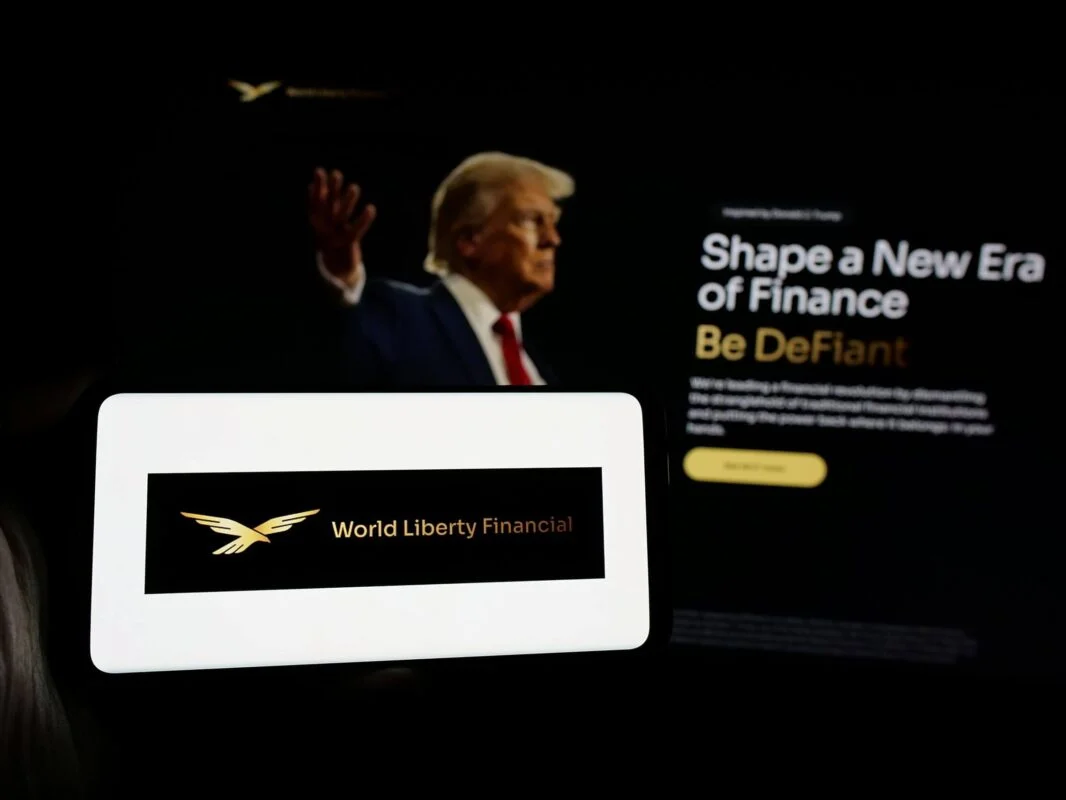
World Liberty Financial (WLFI) has generated significant attention across cryptocurrency markets. Its unique combination of blockchain technology, political connections, and brand recognition has positioned it as a frequently debated asset. However, the project’s official documentation reveals important limitations.
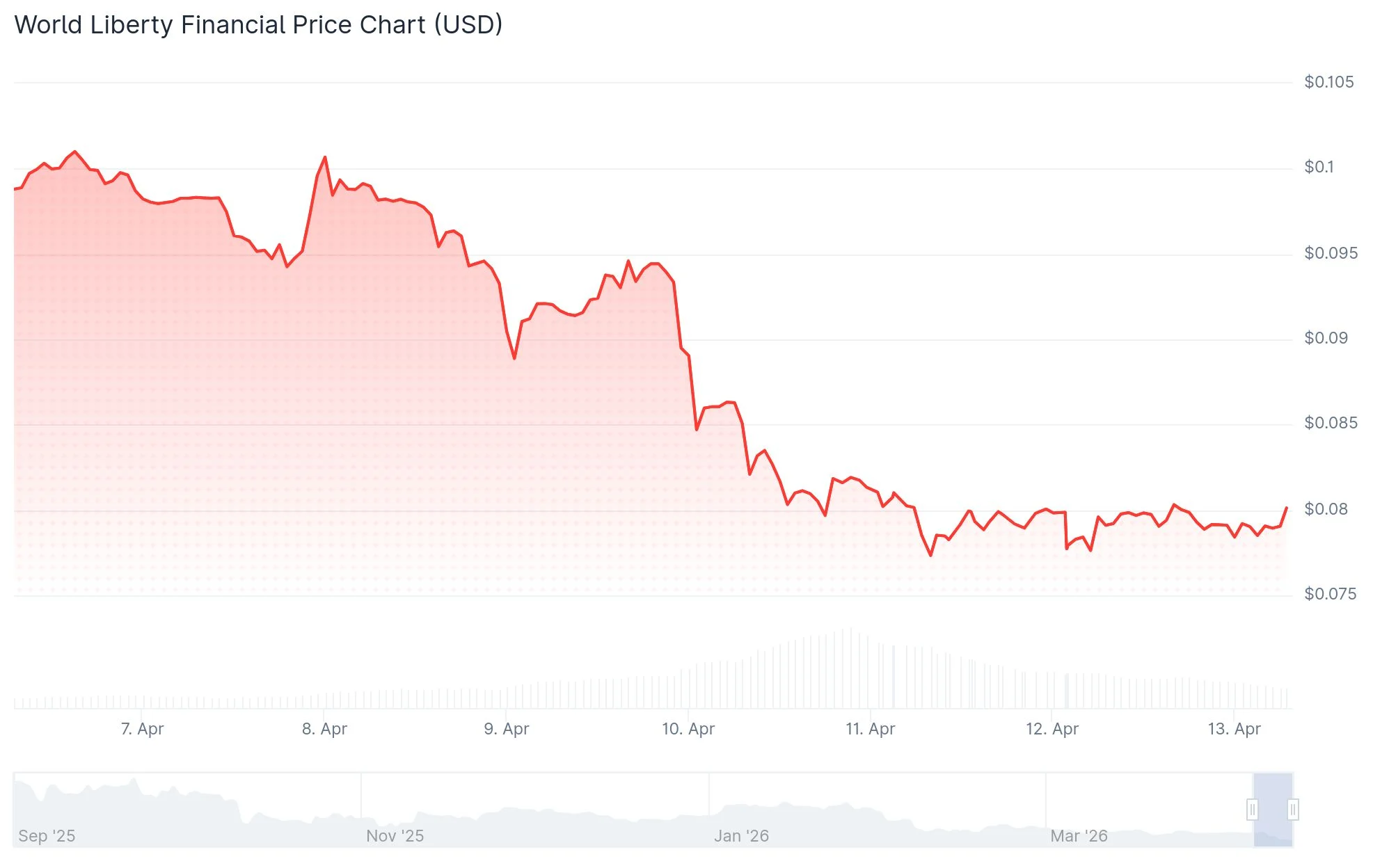
WLFI serves as the governance mechanism for the World Liberty Financial platform. The ecosystem encompasses USD1, a stablecoin pegged to the U.S. dollar, alongside broader decentralized finance initiatives. Initially, this structure appears comprehensive.
Yet the project’s terms of service clearly define WLFI as exclusively a governance asset. Token owners receive no economic entitlements connected to protocol performance. Official disclosures explicitly state that participants should maintain zero expectation of financial returns from the venture’s performance.
This represents critical information for potential long-term investors.

Economic Rights Remain Outside Token Holder Reach
The fundamental challenge involves value distribution. While a platform may expand and deploy new services, tokens that grant zero claim on revenue or fees mean growth doesn’t necessarily translate to holder benefits.
WLFI’s framework effectively divorces token possession from any legal or financial stake in underlying operations. This makes traditional fundamental analysis extremely difficult.
Reuters disclosed in March 2025 that the Trump organization assumed controlling interest via a dedicated holding entity. This arrangement granted them 75% of net token distribution proceeds alongside 60% of operational earnings. Following this reorganization, approximately 5% of capital remained designated for platform construction.
This allocation heavily favors organizational insiders rather than general token participants.
Movement Restrictions Impact Token Availability
WLFI initially deployed with transfer prohibitions. The release mechanism operates on a scheduled timeline, controlling when initial purchasers can relocate their holdings. This constrains market liquidity while introducing ambiguity regarding future circulation expansion.
From an investment perspective, scheduled token releases can influence valuation comparably to operational announcements.
Reuters reported in March 2026 that the initiative provided guaranteed direct communication with its business development leadership for participants staking $5 million in WLFI tokens for a six-month period. This arrangement included governance voting privileges and yield generation for participants. This effectively positions WLFI partially as an access mechanism for high-net-worth participants.
Final Thoughts
WLFI may maintain market presence due to political associations and platform developments. However, according to its official terms, the token delivers governance participation without substantial economic entitlements, while organizational insiders maintain dominant positions in financial upside.
The Reuters March 2026 coverage regarding the $5 million staking program represents the latest publicly available information concerning the project’s token functionality.
