


Key Highlights
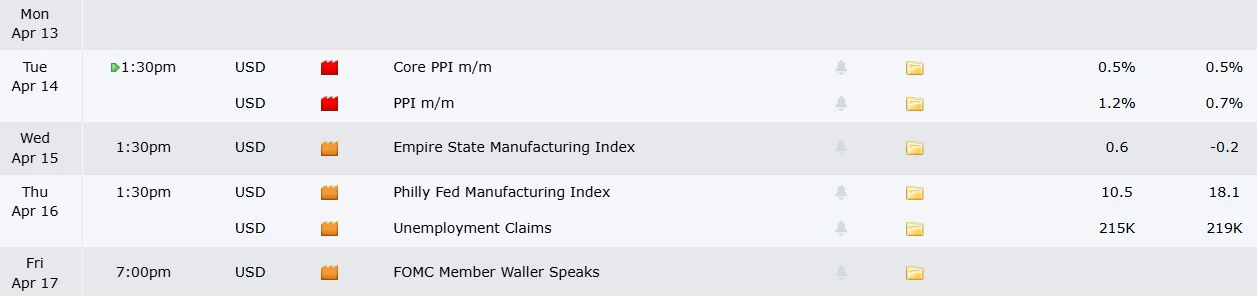
- Major indices recorded their second consecutive weekly advance, with the Nasdaq leading gains at 4.7%, S&P 500 climbing 3.5%, and Dow adding 3%
- Financial sector heavyweights including JPMorgan, Goldman Sachs, and Bank of America release quarterly results throughout the week
- Consumer prices jumped by the most in nearly three years during March, primarily attributed to surging energy costs
- Crude oil trades around $98 per barrel currently, though futures contracts indicate potential decline to $85 by summer months, potentially boosting equities
- Technology sector shows stark divide: software names plunge 30% year-to-date while chip manufacturers rally over 20%
Equity markets concluded another positive week as focus shifted toward the beginning of quarterly corporate reporting. The S&P 500 advanced 3.5%, the Dow Jones Industrial Average added 3%, and the Nasdaq Composite surged 4.7% over the five-day period. Despite these gains, all three benchmarks remain in negative territory for 2026, though they’re approaching breakeven levels within a 1% margin.
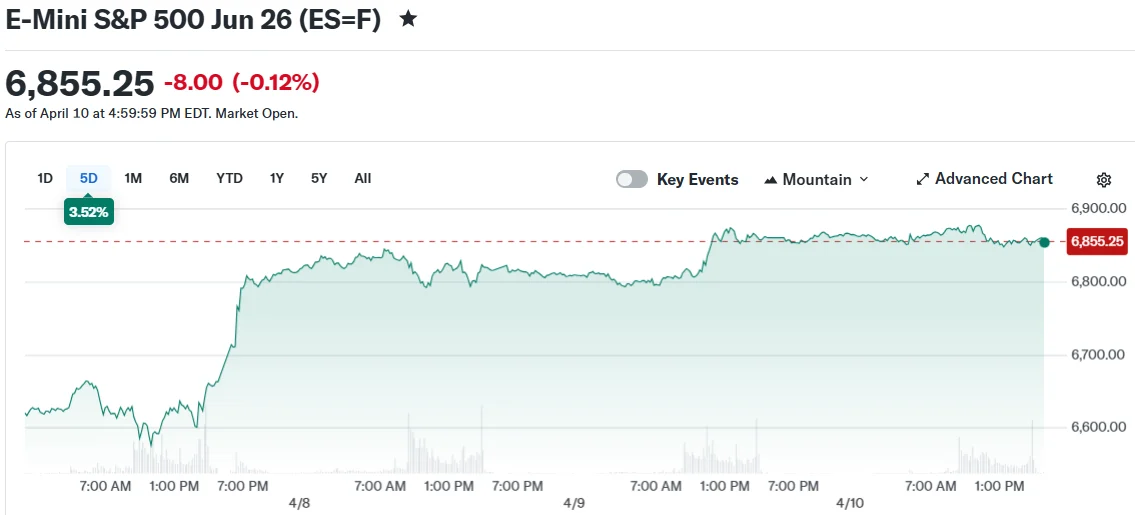
The coming days feature an intensive earnings calendar. Goldman Sachs kicks things off Monday. JPMorgan Chase, Citigroup, and Wells Fargo deliver their reports on Tuesday. Bank of America and Morgan Stanley are scheduled for Wednesday, while Netflix and Taiwan Semiconductor round out the week on Thursday.
Investors remain vigilant regarding international tensions. Diplomatic discussions between the United States and Iran held in Pakistan during the weekend concluded without reaching a peace agreement after Iranian officials declined to commit to halting nuclear weapons development, as disclosed by Vice President JD Vance on Saturday evening.
Crude Oil Pricing Remains Critical Market Variable
Following the outbreak of hostilities involving the US and Iran, petroleum prices have emerged as the primary focus for market participants. West Texas Intermediate crude settled Friday’s session near $98 per barrel, representing a substantial increase from approximately $68 before military operations commenced.

Nevertheless, contracts for July delivery are pricing oil around $85. Evercore ISI’s Julian Emanuel suggested that WTI trading in the “low-to-mid $80s” range would sufficiently eliminate downward pressure on equities.
The two-week cessation of hostilities involving the US, Israel, and Iran provided market support during the previous week. The sustainability of this truce will significantly influence petroleum pricing and, consequently, overall market performance.
Friday’s inflation data revealed headline consumer prices increased 0.9% during March, marking the steepest monthly acceleration since June 2022. Economic analysts highlighted that energy price spikes related to the military conflict drove the majority of this advance.
The University of Michigan’s consumer sentiment index plummeted to an all-time low in April, although 98% of survey responses were gathered prior to the ceasefire announcement.
Technology Sector Experiences Sharp Performance Divergence
Market bifurcation has intensified dramatically. The iShares Software Sector ETF declined more than 7% during the past week and has tumbled 30% year-to-date.
Salesforce represents the heaviest burden, plunging over 35% in 2026. AppLovin, Intuit, and ServiceNow have each retreated more than 40%. Microsoft, Palantir, and Oracle have all declined more than 25%.
Chip manufacturers present a contrasting narrative. The VanEck Semiconductor ETF has climbed over 20% this year. Intel, Applied Materials, Lam Research, and Marvell Technologies have each surged more than 50%.
ASML announces results Wednesday, while Taiwan Semiconductor reports Thursday. Taiwan Semiconductor disclosed robust March revenue figures last week, suggesting sustained demand for artificial intelligence processors.
Netflix also prepares to announce quarterly performance Thursday, completing an action-packed earnings week.
