


Key Takeaways
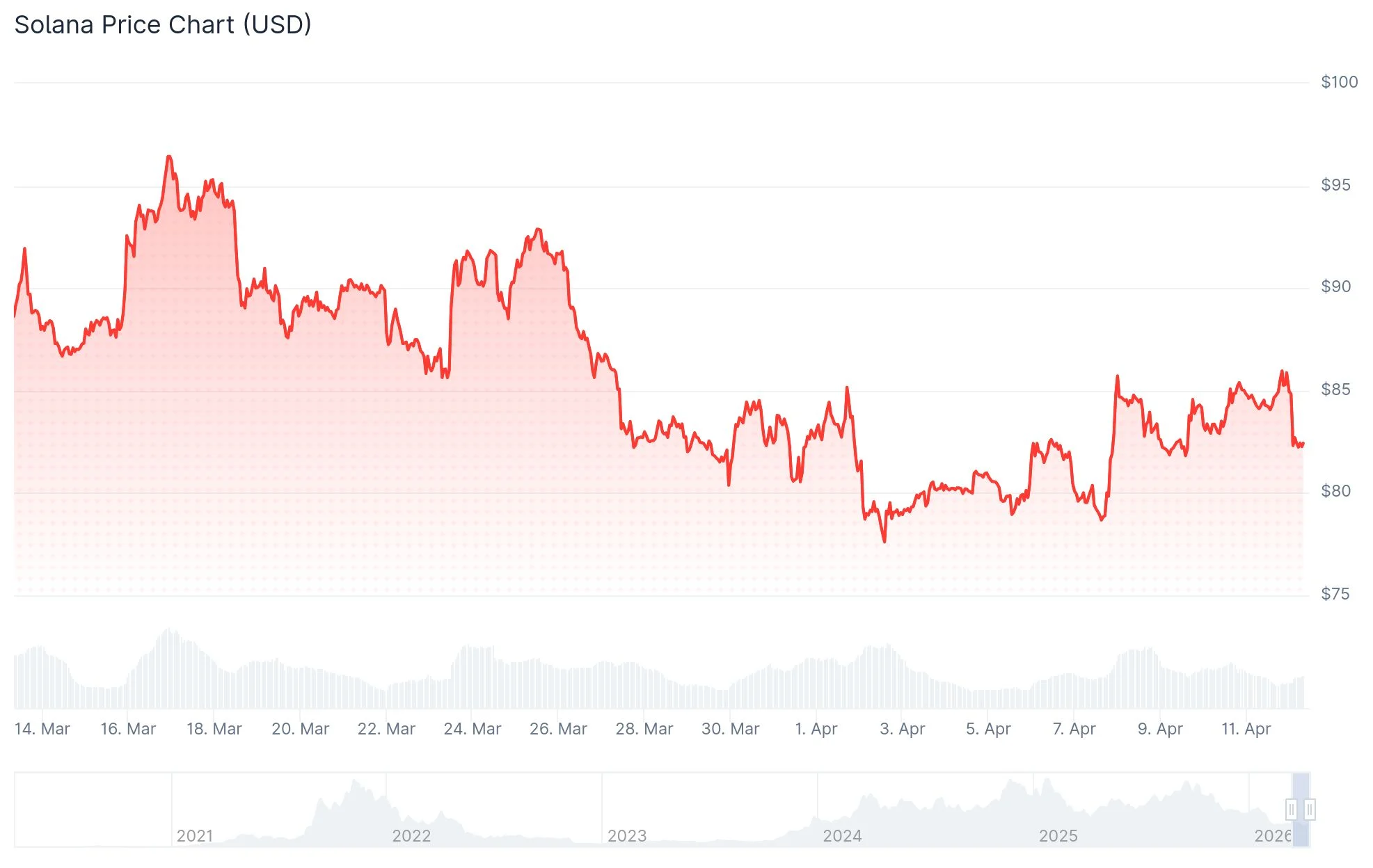
- XRP currently prices at approximately $1.33 with an $81.6 billion market capitalization; Solana sits at roughly $82.29 with a $47.3 billion market cap
- While Ripple’s SEC litigation has concluded, a $125 million penalty and restrictions on institutional token sales persist
- Major corporations including Mastercard, Worldpay, and Western Union have already onboarded as early adopters of Solana’s Developer Platform
- XRP concentrates primarily on international payment solutions; Solana operates across payments, stablecoins, asset tokenization, and developer infrastructure
- Solana’s token circulation approaches its maximum supply, creating a more transparent valuation framework compared to XRP
Among major cryptocurrencies beyond Bitcoin and Ethereum, XRP and Solana stand out as two of the most closely monitored digital assets. While both command significant market attention, they represent fundamentally different investment propositions.
Current data from CoinGecko shows XRP hovering around $1.33, commanding a market capitalization of approximately $81.6 billion. Meanwhile, Solana trades near $82.29 with a market cap around $47.3 billion. In terms of total market value, XRP maintains the larger position.
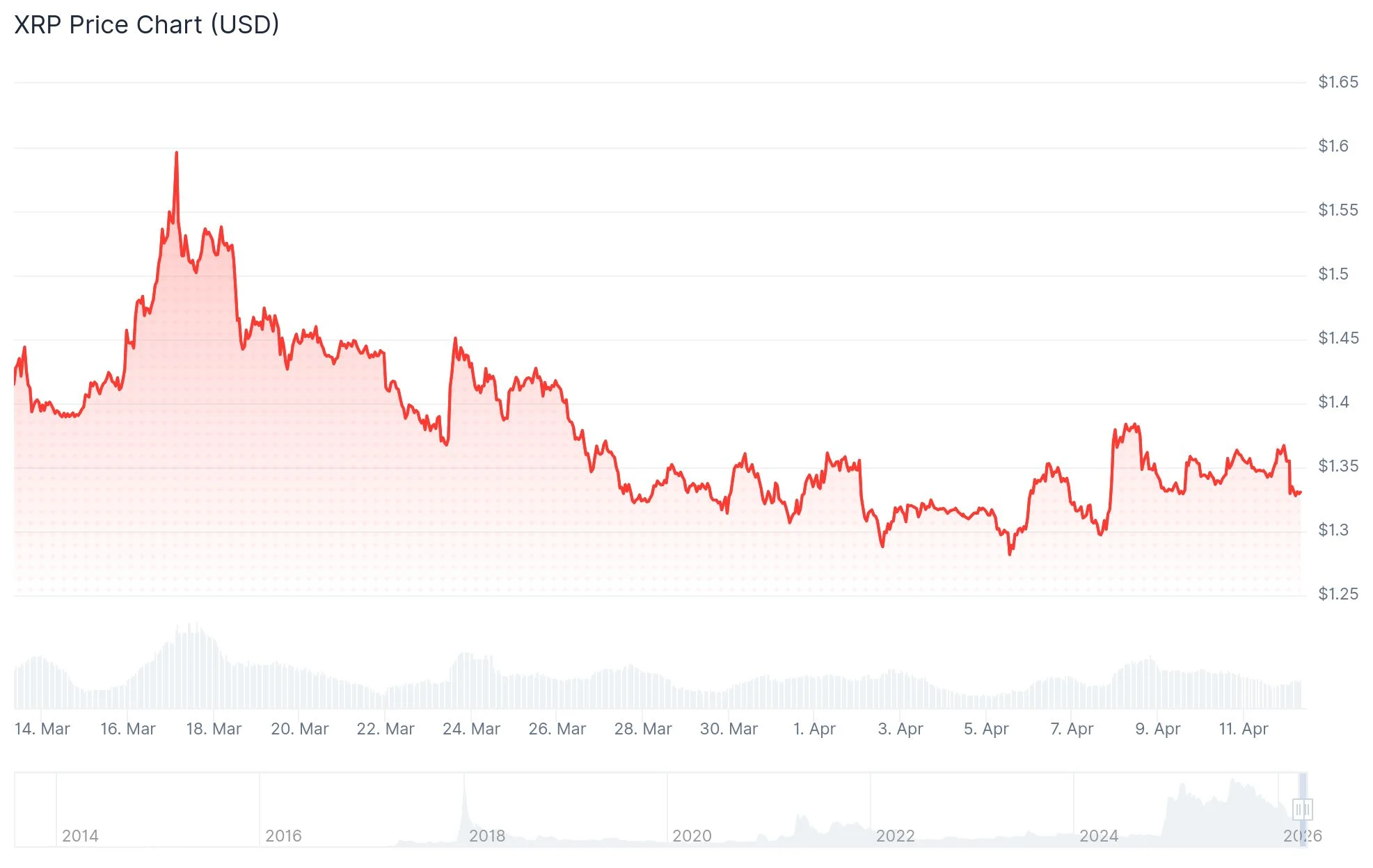
This valuation differential carries significant implications. XRP’s larger market cap suggests it’s already achieved substantial recognition, potentially leaving Solana with greater expansion potential should adoption trends continue accelerating.
XRP’s fundamental thesis centers on facilitating international payments and Ripple’s ongoing expansion into financial sector infrastructure. According to Reuters reporting, Ripple’s protracted legal dispute with the Securities and Exchange Commission has reached its conclusion.

The resolution, however, comes with caveats. Ripple must pay a $125 million penalty, and an injunction limiting institutional XRP sales remains active.
This creates a nuanced outlook for XRP heading into the latter half of 2026. While regulatory challenges have diminished from their peak intensity during active litigation, the token’s value trajectory remains substantially tied to Ripple’s ability to expand real-world adoption.
Solana’s Diversified Ecosystem Strategy
Solana’s approach extends beyond single-purpose functionality. The blockchain network actively pursues development across payments processing, stablecoin infrastructure, tokenized asset management, developer utilities, and enterprise blockchain solutions.
Solana’s March 2026 ecosystem report highlighted the rollout of its comprehensive Solana Developer Platform. Notable early participants include Mastercard, Worldpay, and Western Union.
This level of institutional engagement across diverse industry verticals contrasts sharply with XRP’s concentrated payments focus. Multi-vertical platforms typically generate investment interest from broader capital sources over extended periods.
Token Economics and Supply Dynamics
XRP operates with a predetermined cap of 100 billion tokens, though only approximately 61 billion tokens currently circulate in the market. This substantial difference between available and total supply remains a consideration for market participants.
Solana has approximately 570 million tokens actively circulating from a total supply approaching 574.5 million tokens. This narrow gap means current market pricing more accurately represents its fully diluted valuation.
Importantly, Solana implements ongoing token inflation through its staking reward mechanism, representing a meaningful distinction. XRP doesn’t generate new tokens through similar mechanisms.
Solana also demonstrates higher price volatility between the two assets. Conservative investors seeking stability may find this characteristic less appealing.
Investors prioritizing straightforward narratives will find XRP offers broad exchange availability, a substantially resolved regulatory situation, and a clear value proposition.
Those emphasizing growth trajectories and ecosystem expansion may view Solana’s extensive adoption footprint and corporate partnerships as more compelling in mid-2026.
The participation of Mastercard, Worldpay, and Western Union as inaugural Solana Developer Platform users represents the most significant concrete institutional advancement reported for either asset in recent periods.
Investment Conclusion
Both XRP and Solana have established themselves as premier cryptocurrency assets. XRP benefits from improved regulatory clarity and dedicated institutional support. Solana offers expanded platform capabilities, recognized enterprise partnerships, and accelerating ecosystem development. Investment decisions ultimately depend on whether investors prefer concentrated exposure or diversified blockchain utility.
