



Quick Overview
- Bitcoin hovers between $67,000 and $68,000, drawing significant interest from ETF products and national investment funds
- Ethereum dominates decentralized finance and tokenization of physical assets, while Layer-2 networks reduce transaction costs
- Solana attracts developers and users with minimal fees and exceptional processing speeds
- Chainlink bridges blockchain networks with external data sources and collaborates with legacy finance companies
- Bittensor operates as a pioneering decentralized artificial intelligence network rewarding participants with tokens
The cryptocurrency market holds approximately $2.5 trillion in value as we enter the second quarter of 2026. Investors with extended time horizons are shifting attention from volatile price movements to blockchain platforms offering genuine utility.
Below are five digital currencies that market experts believe possess strong foundations as the industry enters its next growth phase.
Bitcoin: Institutional-Grade Digital Scarcity
Bitcoin operates with a permanent ceiling of 21 million units. This immutable supply restriction produces scarcity that traditional assets cannot match.
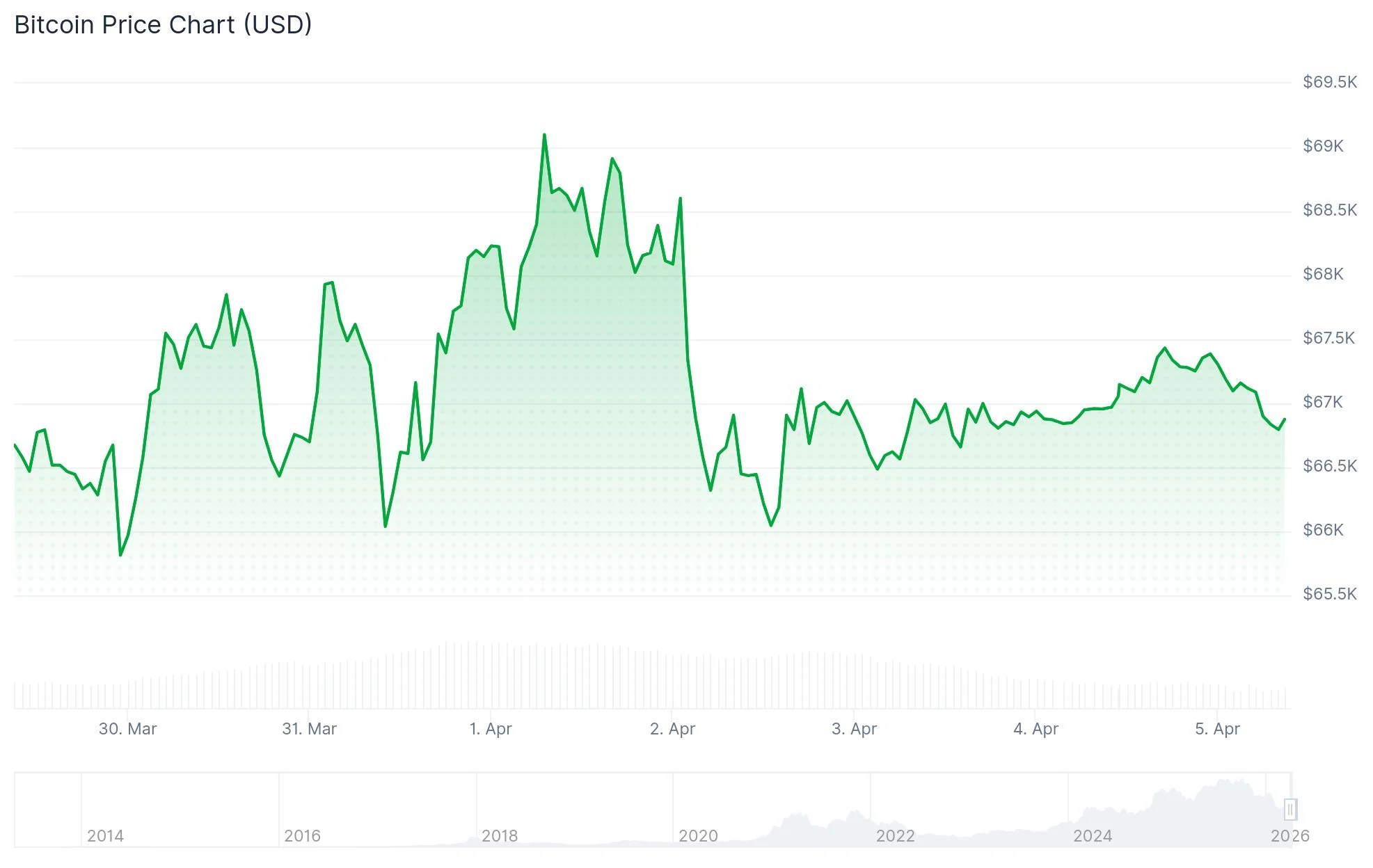
The digital asset currently trades within the $67,000–$68,000 range. Exchange-traded funds focused on Bitcoin have recorded substantial capital inflows throughout the previous twelve months.

National investment vehicles have incorporated Bitcoin into their allocation strategies. Company balance sheet approaches modeled after MicroStrategy’s framework have gained broader acceptance.
Major financial institutions increasingly view Bitcoin as a macroeconomic asset class comparable to precious metals. The cryptocurrency continues drawing patient capital from those seeking protection against financial system instability.
Ethereum: Dominant Platform for Programmable Money
Ethereum serves as the foundation for most decentralized financial applications. The network also supports digital currency pegged to fiat, non-fungible tokens, and an expanding sector for asset tokenization.
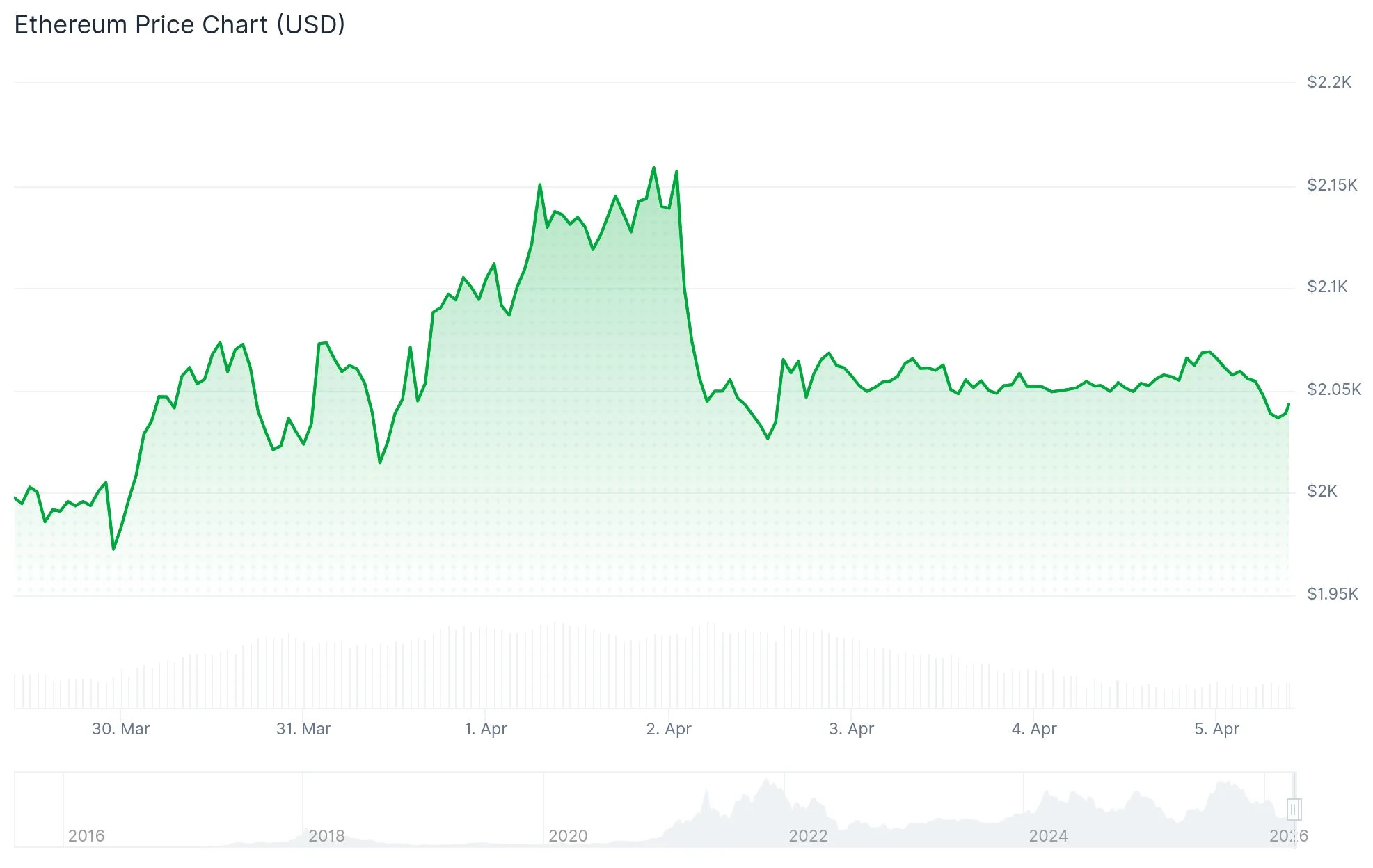
Scaling solutions built on top of Ethereum have dramatically reduced costs while increasing network capacity. The combination of staking rewards and the token destruction mechanism introduced through EIP-1559 creates deflationary pressure on supply.
Institutional funds have maintained consistent investment through Ether-focused ETF products. Software development activity across the Ethereum ecosystem exceeds all competing smart contract networks.
Solana: Performance-Driven Blockchain Architecture
Solana processes several thousand operations every second while maintaining minimal transaction expenses. The network attracted builders and users frustrated by Ethereum’s cost structure during periods of network congestion.
End-user applications, viral token launches, and smartphone-based cryptocurrency platforms have accelerated adoption. Network stability has strengthened following recent technical improvements.
Solana’s total market valuation remains considerably lower than Ethereum’s. Market observers view this difference as potential upside if institutional product offerings broaden.
Chainlink: Bridging On-Chain and Off-Chain Worlds
Chainlink operates as the most widely adopted oracle solution. The protocol enables programmable contracts to access external information including market prices and third-party application interfaces.
Its Cross-Chain Interoperability Protocol functions across numerous blockchain ecosystems. Chainlink has established partnerships with established financial service providers investigating distributed ledger technology.
As the market for tokenized physical assets expands, the requirement for trustworthy external data connections is projected to increase proportionally.
Bittensor: Distributed Artificial Intelligence Networks
Bittensor facilitates a decentralized exchange for artificial intelligence processing power and algorithms. Network participants receive native tokens as compensation for providing machine learning capabilities.
This project carries elevated risk compared to the other four assets discussed here. Both technical development and market participation have expanded over the past year.
Bittensor operates within the decentralized artificial intelligence sector, which has attracted heightened scrutiny as regulatory bodies examine concentrated AI corporations.
Bitcoin and Ethereum represent the dominant positions within institutional cryptocurrency portfolios through ETF vehicles available in 2026.
