


Key Points
- Tesla is set to grow its Japanese retail presence from 35 to at least 60 stores.
- The EV maker is targeting the top spot among imported car brands in Japan by 2027.
- Tesla delivered approximately 10,000 units in Japan during 2025, with Q1 2026 volume reaching nearly 50% of that annual total.
- The newly introduced Model Y L features six seats and targets Japanese family demographics.
- Hybrid vehicles remain the preferred choice for most Japanese buyers, creating obstacles for full EV adoption.
Tesla (TSLA) is trading down 5.42% at the time of writing.
Tesla’s Japanese operations have been quietly developing for several years. The automaker is now openly revealing its aggressive strategy. On Friday, Japan country manager Richi Hashimoto announced to media that Tesla intends to claim the leading position among imported automobile brands in the country — potentially as soon as 2027.
The challenge is substantial. Germany’s premium automotive brands have dominated foreign vehicle sales in Japan for decades. Mercedes-Benz secured first place in 2025 with approximately 51,000 units sold, trailed by BMW, Volkswagen, and Audi. Tesla managed slightly more than 10,000 deliveries in Japan during the same period. The distance to close is considerable.

Yet Tesla is actively mobilizing. Friday marked the opening of orders for the Model Y L, featuring six-passenger seating specifically designed to attract Japanese families — a demographic the brand has historically overlooked. This launch represents a strategic effort to expand beyond the early-adopter technology enthusiast market.
Retail and Service Infrastructure Expansion
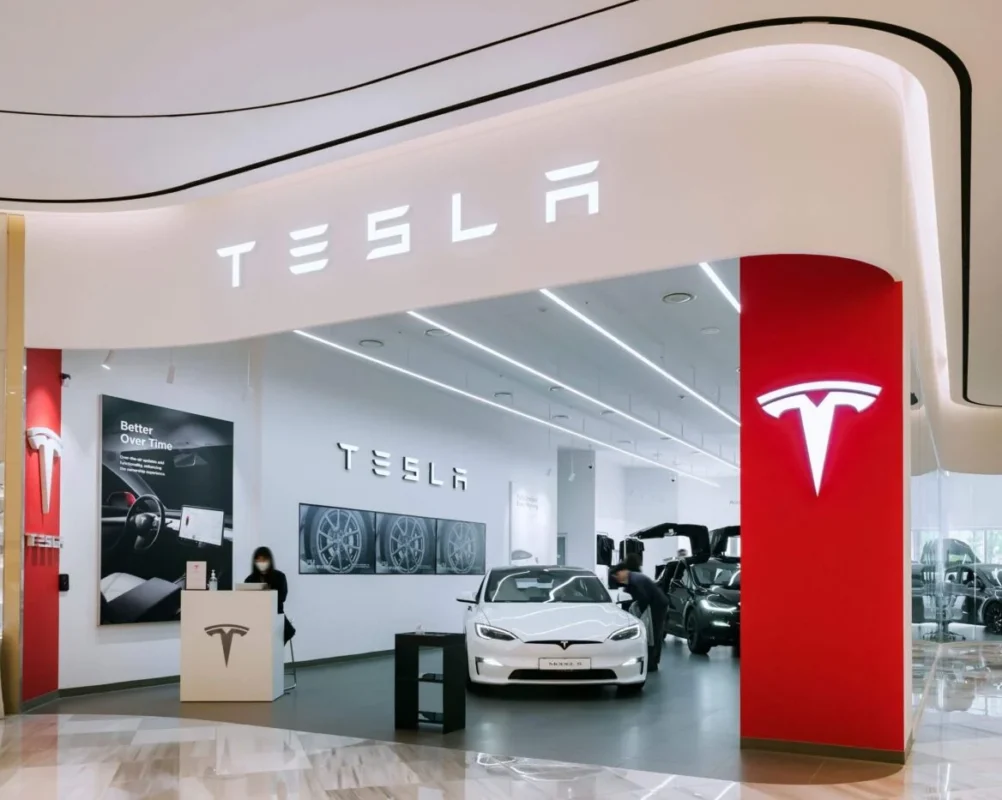
Tesla’s current Japanese infrastructure includes 35 retail locations and 14 service facilities. The expansion roadmap calls for growing to a minimum of 60 stores alongside approximately 30 service centers. This represents more than a 100% increase in service capacity.
The retail expansion strategy extends beyond simple geographic coverage. Tesla’s showrooms emphasize hands-on test drive experiences. According to Hashimoto, driver hesitation about transitioning from gasoline vehicles typically evaporates once they experience the electric driving experience firsthand. “Simply increasing stores to sell cars doesn’t make customers buy,” he explained.
Employee development has also received considerable attention. Approximately 70% of Tesla Japan’s sales consultants have been in their positions for less than half a year. The company has implemented initiatives to reduce the timeline from onboarding to first completed sale.
This Japanese market push arrives as Tesla confronts challenges in other regions. Worldwide vehicle deliveries dropped 8% throughout 2025, while Q1 2026 figures similarly missed projections. Japan, where electric vehicle market penetration remains minimal, offers a growth avenue during a period when established markets have decelerated.
The Hybrid Preference Challenge
The fundamental obstacle is straightforward: Japanese customers prefer hybrid technology. Research from automotive analytics company JATO demonstrates that battery-powered electric vehicles have failed to achieve comparable market acceptance as hybrid alternatives in Japan.
Total new vehicle registrations in Japan reached 4.56 million units throughout 2025, representing approximately 3% year-over-year growth. S&P Global forecasts continued moderate expansion in 2026, bolstered by government infrastructure spending and environmental tax incentive programs. However, the transition toward purely electric powertrains has progressed slowly, irrespective of manufacturer. Toyota, Nissan, Suzuki, and Chinese manufacturer BYD have all introduced electric vehicles in Japan with underwhelming market response.
Some market observers suggest that fuel costs, influenced partially by Middle Eastern geopolitical instability, could accelerate EV adoption timelines. Hashimoto noted that Q1 2026 Japanese sales already reached approximately 50% of the complete 2025 annual figure — a metric indicating growing near-term traction.
On Wall Street, TSLA carries a consensus Hold rating, based on 13 Buys, 11 Holds, and 7 Sells from 31 analysts over the past three months.
