


Key Takeaways
- Washington transmitted a comprehensive 15-point peace framework to Tehran using Pakistan as an intermediary
- Tehran has remained silent on the proposal while publicly dismissing ceasefire negotiations
- Crude oil plummeted nearly 6%, with Brent falling under $95 per barrel
- Equity futures in the United States climbed approximately 1% on optimism about potential de-escalation
- The conflict, which started February 28, has claimed over 4,300 lives
Washington has transmitted a comprehensive 15-point peace framework to Tehran as hostilities persist throughout the Middle East, creating turbulence in international financial markets and driving petroleum prices to volatile extremes.
The Trump administration utilized Pakistan as an intermediary to convey the proposal to Iranian leadership. President Trump expressed optimism about reaching an agreement by Friday, though that deadline appears increasingly unrealistic considering the current negotiation landscape.
Tehran has not formally acknowledged the proposal. Iranian representatives have stated publicly that the nation remains unwilling to enter negotiations, with the country’s military command issuing a Wednesday declaration rejecting any ceasefire discussions with the Trump administration.
“Your internal discord has escalated to such an extent that you appear to be negotiating among yourselves,” stated Iran’s military forces, as reported by government-controlled IRIB News.
Petroleum prices experienced a dramatic decline following disclosure of the peace initiative. West Texas Intermediate crude descended to approximately $87 per barrel. Brent crude slipped beneath $95, retreating from $112 at last week’s market close.

Equity Futures Advance Following Peace Initiative Disclosure
US equity futures registered gains Wednesday morning. Contracts tied to the S&P 500 and Dow Jones Industrial Average advanced roughly 1.1%. Nasdaq 100 futures increased 1.2% following a session of Wall Street declines.
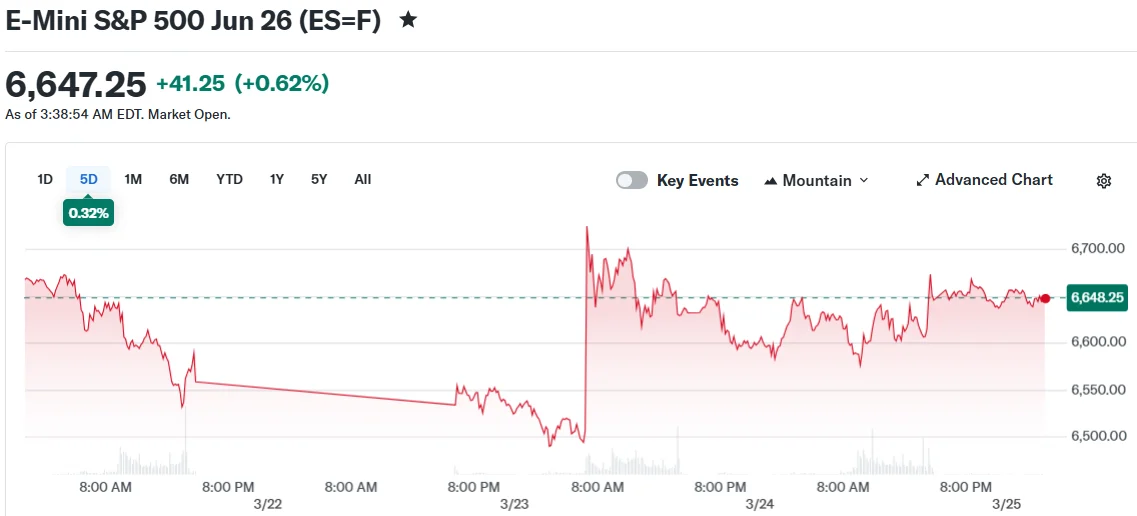
These market movements signal tentative confidence that an agreement might alleviate strain on energy sectors. Tehran’s authority over the Strait of Hormuz remains a significant concern, with the nation currently imposing transit charges reaching $2 million per journey for certain commercial shipping.
Fuel and agricultural fertilizer costs have skyrocketed since hostilities commenced. Commercial petroleum tankers have been circumventing the strait, while Iranian military operations have inflicted damage on regional energy facilities.
Tehran’s Military Operations Persist Through Night
During overnight hours, Saudi Arabia neutralized an unmanned aerial vehicle in the nation’s eastern region. An assault on Kuwait ignited a fuel storage tank at its primary airport. Iranian state media confirmed additional missile launches directed toward Israel. None of these incidents resulted in reported fatalities.
Hostilities erupted on February 28 following joint US-Israeli military strikes against Iran. Casualties have exceeded 4,300 since commencement of the conflict. Roughly three-quarters of fatalities occurred within Iran. Lebanon has witnessed over 1,000 deaths, where Israel simultaneously confronts Hezbollah.
Israeli Prime Minister Benjamin Netanyahu has designated close adviser Ron Dermer to oversee US-Iran diplomatic discussions and safeguard Israeli strategic concerns. Israeli authorities have indicated their intention to maintain military pressure on Iran presently.
Persian Gulf nations including Saudi Arabia and the UAE are allegedly contemplating participation in the US-Israeli coalition against Iran, contingent upon Iranian attacks targeting essential power generation or water supply infrastructure.
Trump representatives Steve Witkoff, Jared Kushner, and Secretary of State Marco Rubio are actively participating in diplomatic efforts. The White House declined to comment regarding the 15-point document, initially disclosed by the New York Times.
