


Key Takeaways
- Starboard Value has revealed a $350 million investment in CarMax (KMX)
- Two director nominees proposed: Starboard’s Jeffrey Smith and Frontdoor’s Bill Cobb
- The activist fund demands enhanced digital capabilities, operational efficiency, and adaptive pricing strategies
- Potential cost reductions of $300 million identified in administrative and operational areas
- CarMax (KMX) stock has plummeted 42% in the last twelve months, currently trading near $42
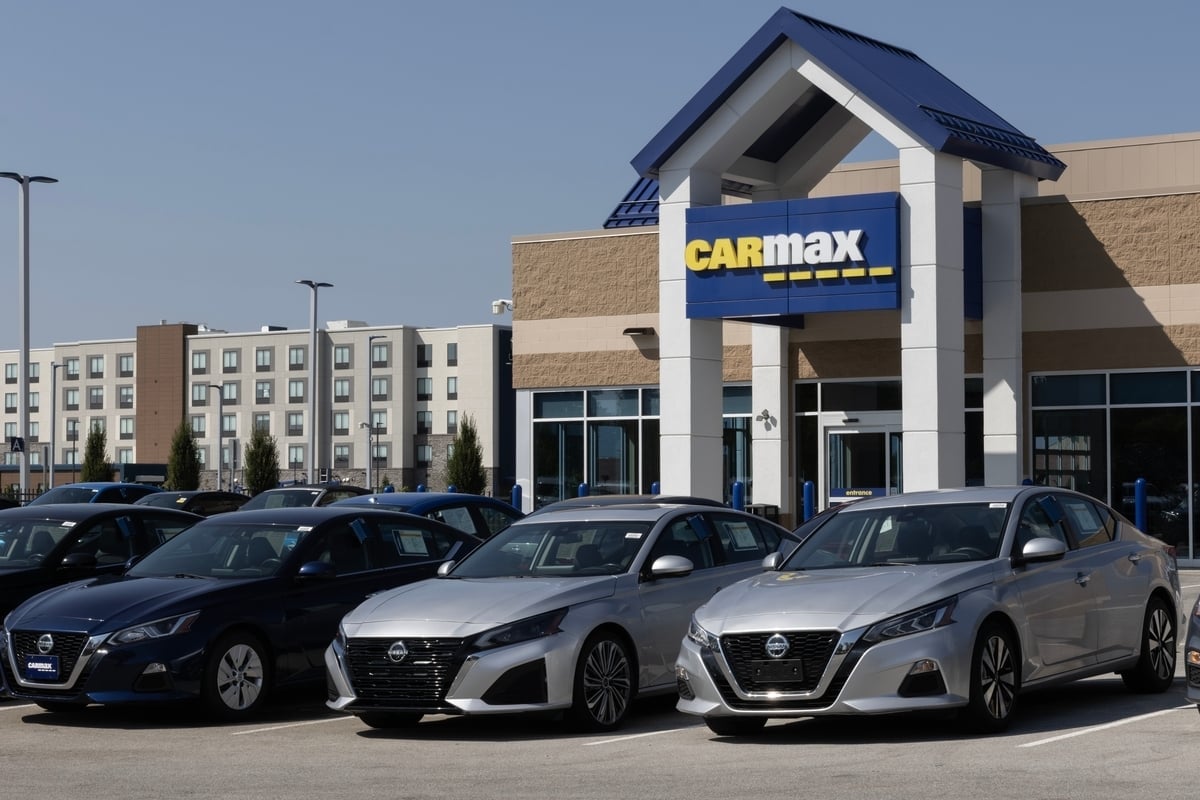
Starboard Value, a prominent activist hedge fund, has established a significant $350 million position in CarMax (KMX) while advocating for substantial operational reforms at the nation’s largest used vehicle retailer. This development arrives as the company’s shares have experienced a dramatic 42% decline over the past year.
The investment firm has put forward two candidates for CarMax’s nine-person board of directors: Jeffrey Smith, who founded and leads Starboard, along with Bill Cobb, currently serving as CEO at home warranty provider Frontdoor. Bloomberg initially reported the director nominations.
This represents Starboard’s second major activist campaign within a single week. Just days earlier on March 9, the firm announced its involvement with Lamb Weston, a frozen potato manufacturer, as part of a turnaround initiative.

Starboard outlined its strategic vision in correspondence to CarMax CEO Keith Barr, who previously orchestrated a successful digital transformation at InterContinental Hotels Group during his tenure from 2017 through 2023.
Starboard’s Reform Agenda
The activist investor wants CarMax to accelerate its omnichannel strategy — seamlessly integrating digital sales platforms with its extensive network of 250 retail locations nationwide. Key priorities include upgrading the online customer journey, implementing aggressive cost-reduction measures, and adopting flexible pricing mechanisms that respond swiftly to market dynamics.
According to Starboard’s analysis, CarMax harbors approximately $300 million in untapped cost savings within its administrative and operational infrastructure. The firm contends that realizing these efficiencies would strengthen the company’s hybrid business model while simultaneously improving customer satisfaction.
As a major industry player, CarMax processes over one million vehicles each year and generates annual revenues exceeding $26 billion. Yet despite this impressive scale, the company has encountered significant headwinds. Shares closed Tuesday’s session at $42.14, translating to a market capitalization around $6 billion.
Challenges Impacting Share Performance
The broader used automobile sector has encountered substantial obstacles. Elevated borrowing costs have dampened consumer purchasing power, while wholesale vehicle valuations have contracted 15% year-over-year from 2024 highs. Rising inventory levels have compressed profit margins industry-wide.
Competitive pressures from Carvana and AutoNation have intensified, with both rivals pursuing aggressive pricing tactics and superior digital platforms.
Regarding financial performance, CarMax delivered third-quarter earnings per share of $0.43, surpassing analyst expectations of $0.31. However, quarterly revenue totaled $5.79 billion, representing a 6.9% year-over-year decline despite exceeding projections.
Silver Heights Capital Management expanded its CarMax holdings during Q3, increasing its position 39.5% to 926,167 shares valued at approximately $41.6 million. This makes KMX the firm’s third-largest portfolio holding.
Wall Street analysts maintain a cautious stance on KMX. TipRanks data shows a Hold consensus rating — comprising one Buy, 10 Hold, and three Sell recommendations. The average analyst price target of $36.56 suggests potential downside exceeding 13% from current trading levels.
MarketBeat’s consensus rating stands at “Reduce,” with a price objective of $39.21. Barclays maintains an underweight rating with a $28 target. JPMorgan similarly rates the stock underweight, having reduced its price target to $28 in December. Mizuho holds a neutral stance with a $36 price target.
CarMax trades within a 52-week range spanning $30.26 to $82.79, carries a price-to-earnings ratio of 14.01, and operates with a debt-to-equity ratio of 2.74.
