


Key Takeaways
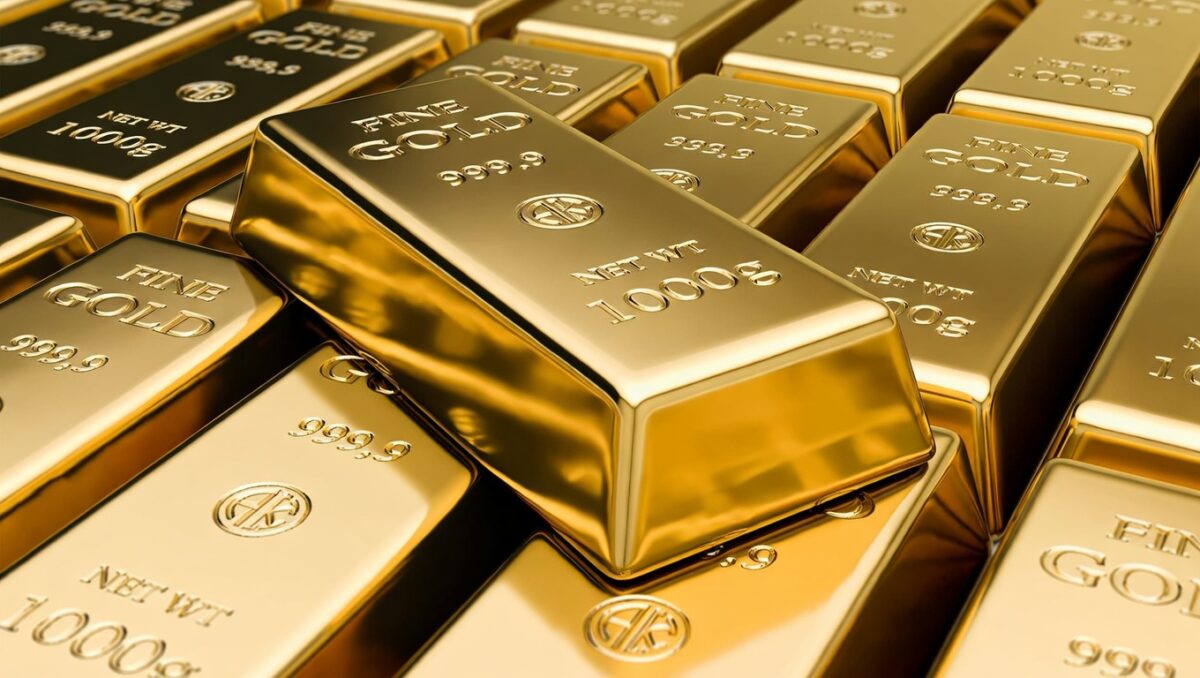
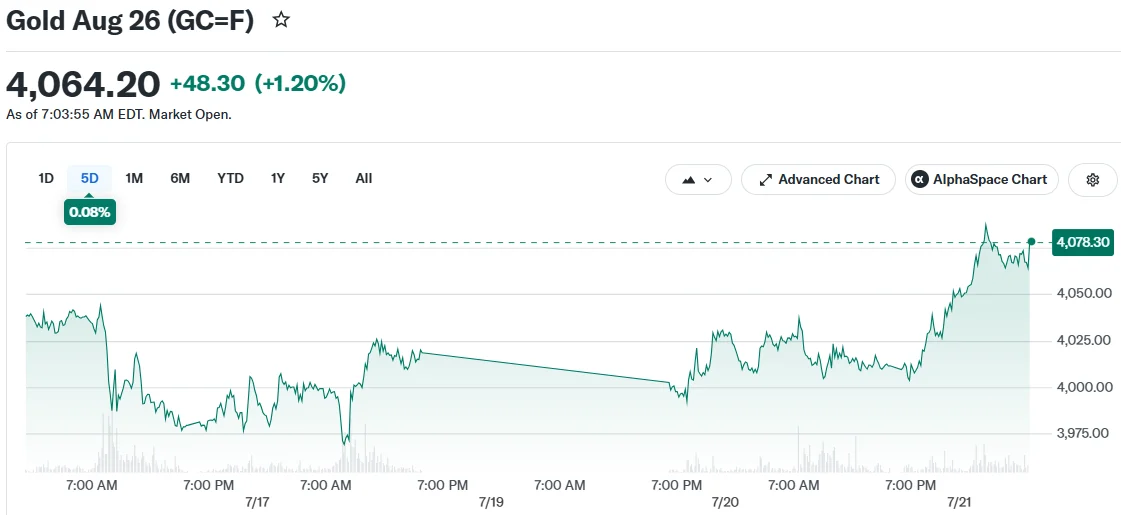
- Gold advanced 1.5% to reach $4,067.55 per ounce as Middle East diplomatic initiatives provided market relief
- A suggested 10-day ceasefire with Iran may help calm oil-related inflation concerns
- The Federal Reserve is anticipated to maintain current rates next week, though September hike probability stands at approximately 54%
- The precious metal has fallen 22% since late February when the Iran conflict started, yet maintains a 21% gain over 12 months
- Global central bank gold purchases continue at elevated levels, with Poland leading net acquisitions in early 2026
The price of gold experienced upward momentum on Tuesday as market participants monitored diplomatic initiatives aimed at reducing Middle East tensions, with expectations that successful negotiations could dampen oil-related inflation pressures and shape Federal Reserve monetary policy.
The spot price for gold increased 1.5% to reach $4,067.55 per ounce. Meanwhile, gold futures contracts similarly advanced, posting a 1.4% gain to settle at $4,072.45.
According to Reuters, a high-ranking Iranian official disclosed that international mediators have put forward a proposal for a 10-day cessation of hostilities. This diplomatic initiative seeks to preserve an interim agreement while establishing conditions for more comprehensive negotiations.
However, continued military exchanges between opposing forces suggest little momentum toward de-escalation. This ongoing volatility has heightened concerns regarding the Strait of Hormuz, a critical maritime corridor that handled approximately one-fifth of global oil and liquefied natural gas shipments prior to the conflict’s outbreak in late February.

Adding to regional instability, Iran-aligned Houthi forces in Yemen have issued threats to blockade Saudi Arabian vessels, potentially expanding the scope of the conflict.
Interest Rate Uncertainty Pressures Gold Market
Financial markets remain concerned that interrupted oil flows could accelerate inflation, potentially compelling central banks to implement interest rate increases. While the Federal Reserve is widely expected to maintain its current rate policy at next week’s meeting, CME FedWatch data indicates approximately 54% probability of a 25-basis-point increase in September.
Rising interest rates typically create headwinds for gold, which generates no income or dividends. As borrowing costs climb, the opportunity cost associated with holding gold becomes more pronounced.
“Elevated real-rate expectations have weighed on gold, and we continue to observe inconsistent patterns in investment flows,” commented Dominic Schnider, Head Global FX and Commodity at UBS Global Wealth Management.
The yellow metal has declined 22% since hostilities with Iran commenced on February 28. This downturn has caught some investors off guard, as geopolitical turmoil has traditionally bolstered gold valuations.
The most plausible explanation is that markets are anticipating Fed rate increases to combat oil-induced inflation, which diminishes the attractiveness of zero-yield assets such as gold.
Global Central Banks Maintain Gold Accumulation
Notwithstanding the recent price decline, certain market analysts suggest the pullback may present an attractive entry point. Gold’s performance over the trailing 12 months remains positive at 21%, marginally outperforming the S&P 500.
Central bank appetite for gold has remained robust since Russia’s 2022 invasion of Ukraine. This purchasing pattern indicates an ongoing effort by various nations to diversify away from US dollar reserves.
The World Gold Council reports that Poland emerged as the largest net purchaser of gold during the first half of 2026. In contrast, Turkey divested 81 metric tons valued at approximately $10.6 billion during the same timeframe.
Newly appointed Fed Chair Kevin Warsh has provided limited guidance regarding the future trajectory of interest rates. His established task forces examining inflation dynamics and AI-driven productivity are not expected to deliver findings until year-end, leaving market participants with considerable uncertainty.
Other precious metals also posted gains on Tuesday, with silver advancing 4.4% to $58.92 per ounce. Platinum increased 1.9% to reach $1,632.80.
