


Key Takeaways
- Pentagon forces executed fresh airstrikes on Iranian military infrastructure Sunday night, targeting over 300 installations across a 72-hour period
- Tehran announced closure of the Strait of Hormuz “indefinitely,” though Washington disputes this claim and insists shipping lanes remain accessible
- Crude oil markets surged more than 3% at Monday’s open amid concerns over potential supply chain disruptions
- United Arab Emirates defense systems successfully engaged incoming Iranian projectiles and unmanned aerial vehicles; alarm systems activated in Bahrain and Doha
- Oman hosts diplomatic discussions between parties, though expectations for meaningful dialogue remain low
The Pentagon’s Central Command announced completion of additional offensive operations targeting Iranian military assets Sunday night. These operations focused on diminishing Tehran’s capability to threaten commercial maritime traffic navigating the Strait of Hormuz.
Throughout a three-day window, American forces engaged more than 300 Iranian military installations. Sunday’s operations alone struck numerous facilities at various locations throughout Iranian territory.
The intensified military response followed Iran’s assault on the Cyprus-registered container vessel M/V GFS Galaxy. Saturday witnessed approximately 140 Iranian targets hit by U.S. forces in direct retaliation.
Defense Secretary Pete Hegseth declared via social media: “Iran made a poor choice. Now they pay.”
Tehran responded with counterstrikes targeting American and coalition military bases throughout the Persian Gulf region. Emirati officials reported successfully intercepting multiple Iranian missiles and drone attacks. Alarm systems were triggered in Bahrain, while explosion reports emerged from Doha.

The Islamic Revolutionary Guard Corps claimed responsibility for disabling an additional commercial ship within the Strait of Hormuz.
Market Response to Escalation
Crude oil values increased by over 3% during Monday trading. Market participants expressed alarm regarding potential interruptions to supply chains through this critical maritime corridor.
Approximately 20% of global petroleum shipments transit through the Strait of Hormuz. Any prolonged obstruction could trigger worldwide increases in energy costs.
Equity futures declined following reports of renewed military action. American financial markets remain fixated on developments unfolding in the Gulf region.
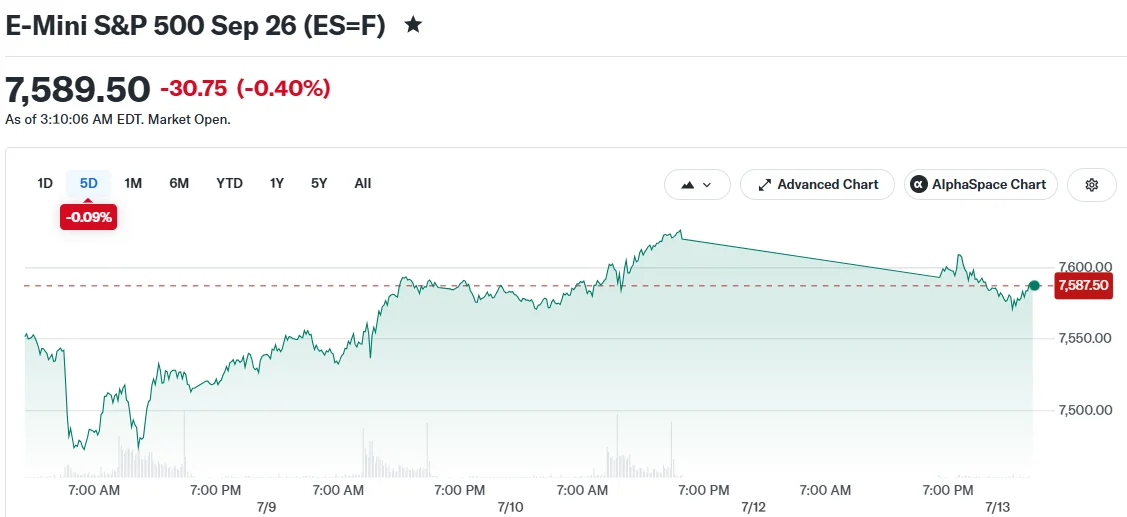
Escalating energy costs present mounting political challenges for President Trump as November’s congressional elections approach.
Marine Traffic monitoring systems indicate minimal vessel movement currently traversing the Hormuz corridor.
Diplomatic Efforts Amid Rising Hostilities
Iranian authorities proclaimed the Strait sealed “indefinitely,” asserting the waterway would stay blocked until Washington ceases regional intervention. The IRGC issued warnings that any American retaliation would trigger a “severe response.”
President Trump countered Sunday that the Strait remains accessible for commercial navigation, directly challenging Tehran’s assertions.
Meanwhile, Iran’s Foreign Minister engaged in discussions with his Omani counterpart in Muscat. Omani officials indicated negotiations would proceed across political and technical channels.
Tehran suggested future arrangements concerning Hormuz should involve only the two nations sharing its coastline.
Iran’s newly appointed Supreme Leader Ayatollah Mojtaba Khamenei pledged retribution for his predecessor’s death. Trump cautioned that U.S. armed forces stood ready to deliver a “massive response” should Iran attempt presidential assassination.
Iranian officials accused Washington of breaching a recently established ceasefire framework. The United States maintains it will not restart comprehensive negotiations until Tehran provides assurances of safe commercial vessel passage.
