


Quick Summary
- Ethereum dominates as the leading smart contract platform with robust institutional backing and an established DeFi landscape
- Solana delivers exceptional throughput with thousands of transactions per second and minimal transaction costs, attracting consumer-focused applications
- Ethereum represents a more conservative investment choice; Solana carries elevated risk alongside greater upside potential
- Both platforms feature thriving developer ecosystems that continue to expand
- Numerous investors opt for diversification by holding positions in both cryptocurrencies
Ethereum stands as the premier smart contract blockchain globally. The network supports countless decentralized applications, DeFi protocols, and NFT marketplaces. Additionally, it serves as the foundation for numerous tokenized real-world assets and corporate blockchain initiatives.
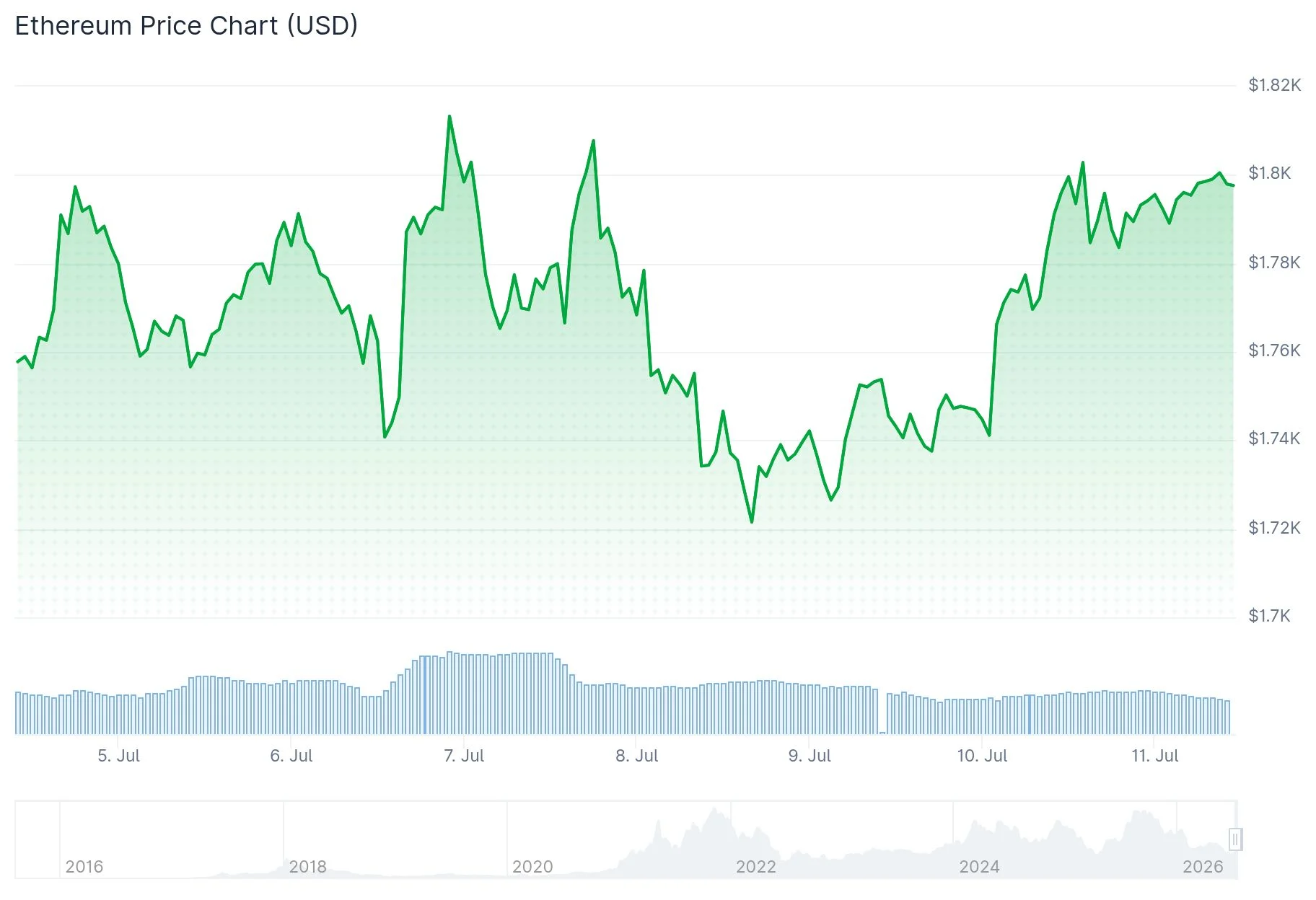
Ethereum’s transition to Proof-of-Stake dramatically reduced its carbon footprint and enabled token holders to generate staking yields. The platform boasts crypto’s most extensive developer base and maintains billions in total value locked across DeFi protocols.
The primary limitations for Ethereum include elevated transaction costs during network congestion and reduced throughput relative to next-generation blockchains.
Solana emerged specifically to address these scalability and efficiency challenges. The network processes thousands of transactions every second while maintaining negligible fees. This performance advantage has positioned it as a preferred platform for gaming applications, payment systems, meme tokens, and consumer-oriented projects.

Solana’s developer engagement has surged rapidly. Institutional capital has increasingly flowed toward the network, with many analysts now viewing it as Ethereum’s primary competitive threat over the long term.
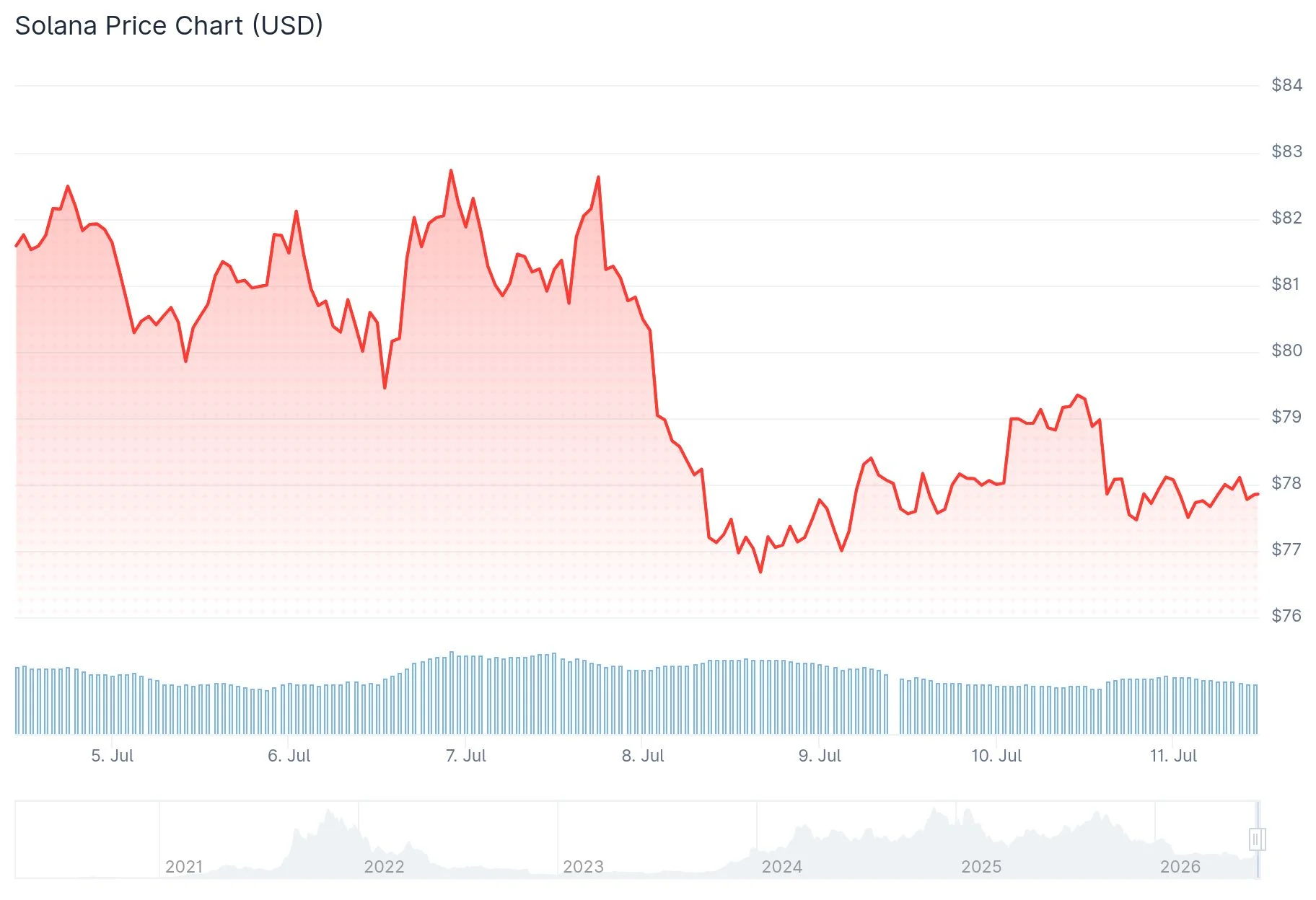
The platform’s challenges include a comparatively limited ecosystem footprint and heavier reliance on sustained network expansion to support its valuation.
Investment Upside and Risk Assessment
Ethereum typically represents the more conservative investment option. It currently dominates institutional cryptocurrency adoption, DeFi infrastructure, and tokenized asset frameworks. Should blockchain technology achieve deeper integration into traditional finance, Ethereum appears well-positioned to capture significant value.
Solana potentially offers stronger appreciation prospects. The network remains earlier in its development trajectory. Should developer momentum persist and consumer adoption accelerate, investment returns could substantially exceed Ethereum’s — though this comes with commensurate risk elevation.
These blockchain networks cater to somewhat distinct market segments. Ethereum maintains dominance in institutional finance and sophisticated decentralized applications. Solana has established a commanding presence in rapid, cost-efficient consumer transactions and decentralized exchange activity.
Certain investors perceive them as direct competitors for market share. Others recognize them as addressing complementary use cases and maintain exposure to both.
Single Position or Diversified Approach?
Numerous long-term cryptocurrency investors maintain holdings in both Ethereum and Solana. The rationale centers on each ecosystem addressing different market opportunities. Dual ownership mitigates single-platform risk while capturing growth across both networks.
For those prioritizing reduced volatility and proven infrastructure, Ethereum presents the more compelling case. Those seeking amplified growth potential with acceptable elevated risk may find Solana’s proposition more attractive.
Both platforms will likely maintain prominent positions within digital assets. The optimal allocation depends on individual objectives, risk capacity, and investment timeline.
Cryptocurrency markets exhibit extreme volatility. Conduct thorough independent research and invest only capital you can afford to lose entirely.
