


TLDR
- Israeli intelligence officials briefed their U.S. counterparts on a detailed Iranian assassination scheme targeting President Trump
- The intelligence briefing was characterized as containing “specific” details, distinguishing it from routine threat assessments
- Tehran has maintained its commitment to avenge Trump’s January 2020 drone strike that killed General Qassem Soleimani
- A tenuous U.S.-Iran ceasefire established last month faces collapse as both nations conduct new military operations
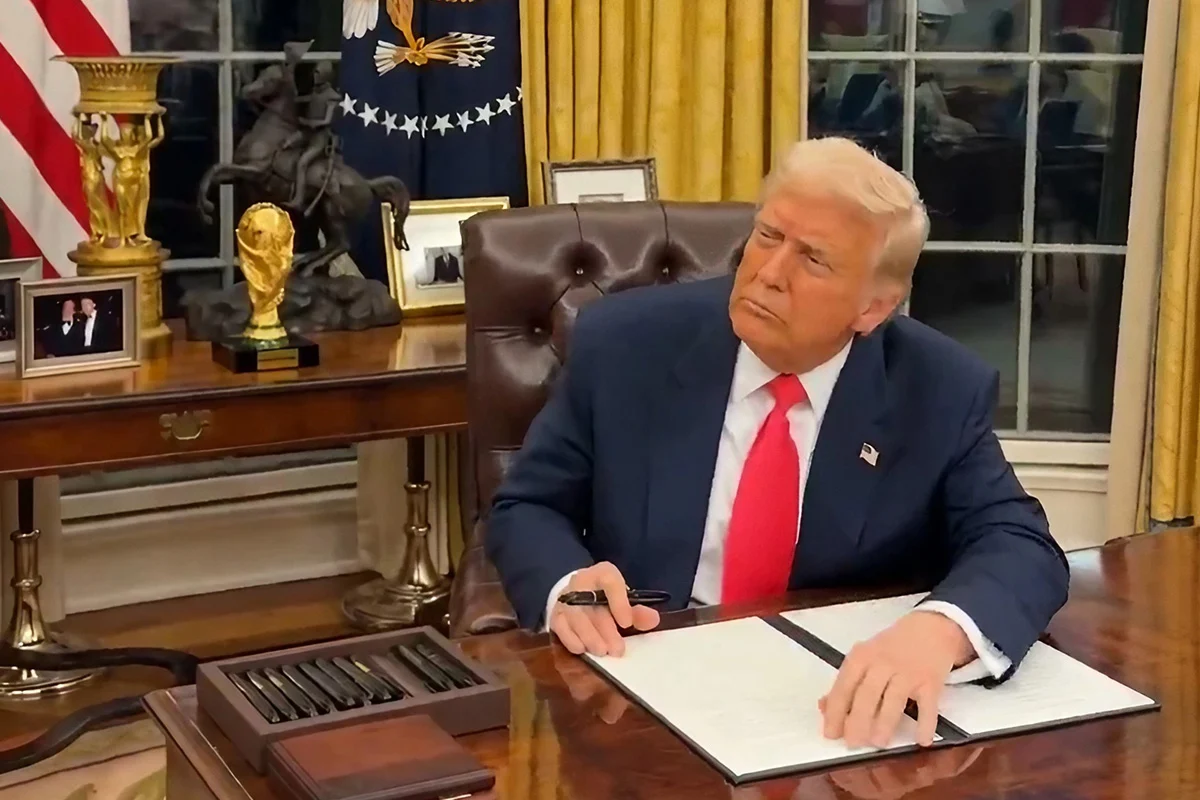
- President Trump publicly confirmed the threats, stating “I’m on every single one of their lists”
Israeli intelligence services briefed the United States earlier this week regarding a newly identified Iranian scheme to assassinate President Donald Trump. Multiple sources with knowledge of the briefing characterized the intelligence as “specific” in nature, as reported by CNN and the Wall Street Journal.
U.S. intelligence agencies had been monitoring what officials termed “a steady drumbeat” of potential assassination threats. However, the Israeli briefing distinguished itself by providing details about a concrete operational plan rather than generalized threat indicators.
Tehran has publicly maintained its intention to seek retribution against Trump for authorizing the killing of General Qassem Soleimani. The high-ranking commander of Iran’s Islamic Revolutionary Guard Corps was eliminated in a U.S. drone strike in January 2020 during Trump’s initial presidential term.
President Confirms Threats Publicly
Trump spoke candidly about the assassination threats while addressing journalists aboard Air Force One on Wednesday, following his participation at a NATO summit in Ankara, Turkey.
“They want to take out the U.S. leader — me,” Trump stated. “I’m on every single one of their lists.”
While the President declined to elaborate on specific details, he indicated he had reviewed intelligence materials that morning concerning threats to his safety.

During the NATO summit, Trump made the unexpected choice to return home aboard his original Air Force One aircraft, while his newer jet—a gift from Qatar—proceeded separately to Britain. According to the New York Times, the U.S. Secret Service requested this aircraft swap as a security measure.
This security decision coincided with new U.S. military strikes against Iran, which borders Turkey, the summit’s host nation.
Fragile U.S.-Iran Truce Faces Collapse
Washington and Tehran negotiated a delicate ceasefire agreement last month. However, recent military strikes by both nations have generated concerns that full-scale hostilities may resume.
Trump has expressed interest in finding an exit from the conflict, expressing worry that prolonged military engagement could harm the international economy.
Israeli Prime Minister Benjamin Netanyahu has advocated for a more aggressive strategy. He has recommended sustaining military pressure on Iran to accomplish additional strategic objectives.
The two leaders held a conversation on Thursday. According to Netanyahu’s office, they committed to maintaining “coordination between the countries.” Trump also briefed Netanyahu on recent U.S. military operations in the Gulf region.
Their alliance has exhibited increasing tension in recent weeks. The leaders have engaged in multiple strained telephone conversations as their strategic approaches to Iran have diverged.
At funeral ceremonies for deceased Iranian Supreme Leader Ali Khamenei, attendees displayed a banner proclaiming “We Will Kill Trump.” Crowds gathered there chanted demands for the president’s assassination.
The Israeli Embassy in Washington refused to provide commentary on the intelligence exchange. Iran’s Mission to the United Nations did not reply to requests for comment.
