



Key Takeaways
- Bitcoin’s fixed supply of 21 million coins positions it as a rare digital asset with strong institutional support and ETF availability
- Ethereum serves as the foundation for decentralized finance, stablecoins, and tokenization of real-world assets via smart contracts
- The introduction of spot Bitcoin ETFs simplified institutional and retail access to cryptocurrency exposure
- Ethereum’s transition to proof-of-stake significantly reduced energy consumption while enabling staking income for token holders
- A growing number of investors maintain positions in both assets, leveraging Bitcoin for preservation and Ethereum for innovation exposure
Heading into 2026, Bitcoin and Ethereum continue to dominate the cryptocurrency landscape — yet each offers distinctly different value propositions to investors.
Why Bitcoin Functions as Digital Gold
Bitcoin operates under a programmatic limit of 21 million coins. This immutable supply ceiling has established it as among the most scarce assets in modern finance.
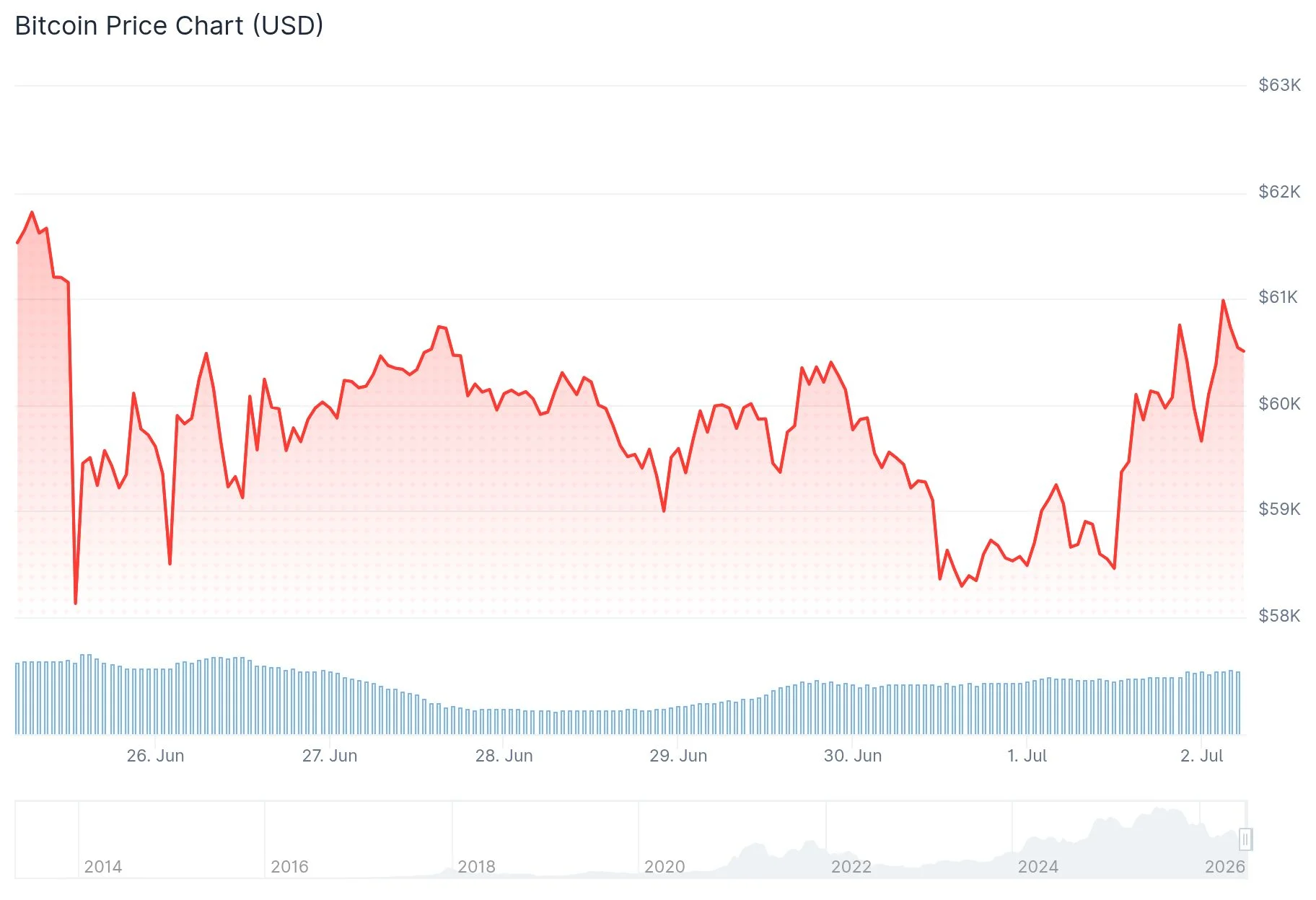
This scarcity hasn’t gone unnoticed by major financial players. Corporate treasuries, retirement funds, and investment firms have integrated Bitcoin into their holdings. The launch of spot Bitcoin ETFs streamlined this adoption, enabling conventional investors to participate without direct cryptocurrency custody.
Market observers routinely draw parallels between Bitcoin and precious metals like gold. Should this comparison prove accurate over time, sustained institutional demand may provide ongoing price support.

Bitcoin also maintains an unchallenged position in its category. No competing cryptocurrency has successfully disputed its role as the premier digital value storage solution.
For risk-averse investors, this straightforward positioning combined with institutional validation makes Bitcoin the more conservative option between the two leading cryptocurrencies.
Why Ethereum Represents Blockchain Infrastructure
Ethereum’s valuation correlates directly with platform utilization. The network underpins decentralized financial systems, stablecoin operations, asset tokenization, and countless developer-built applications.
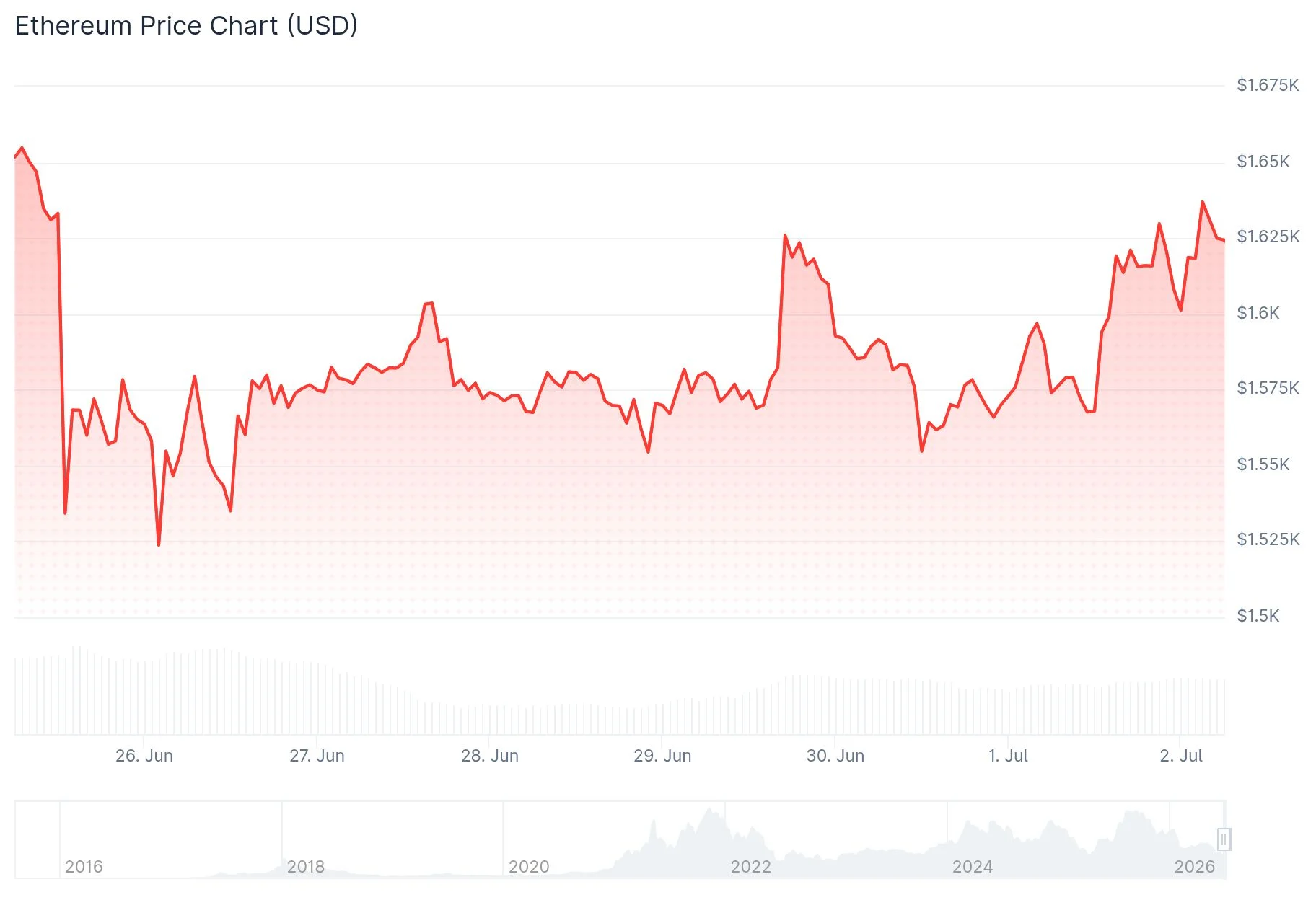
Each transaction on these applications generates network fees. Greater usage translates to increased demand for Ethereum tokens.
The migration to proof-of-stake dramatically decreased Ethereum’s environmental footprint. This upgrade simultaneously created staking opportunities, enabling holders to generate yields by participating in network security.
Traditional financial institutions are now experimenting with blockchain-based securities and investment vehicles. Ethereum frequently serves as the underlying technology for these initiatives.
Proponents contend Ethereum should be evaluated as fundamental infrastructure rather than merely a digital currency. This perspective distinguishes it fundamentally from Bitcoin’s positioning.
Unlike Bitcoin, Ethereum encounters significant competitive pressure. Alternative platforms like Solana actively compete for developer mindshare and user adoption.
Bitcoin faces no comparable challenge. Its status as digital gold remains essentially undisputed across the cryptocurrency ecosystem.
Nevertheless, both assets have attracted substantial institutional investment. Both now feature prominently in strategic discussions among corporate executives and policymakers.
Contemporary investors increasingly view them as complementary rather than competing. Portfolio strategies commonly include both, allocating to Bitcoin for stability and Ethereum for technological upside.
As of mid-2026, Bitcoin maintains superior institutional recognition and regulatory clarity. Ethereum commands the largest share of value secured in decentralized finance applications, based on current industry data.
