


TLDR
- British Prime Minister Keir Starmer stepped down on Monday following mounting pressure from members of his own Labour Party
- Former Greater Manchester Mayor Andy Burnham emerges as overwhelming favorite to take over
- Sterling declined 0.1% to $1.3220 against the dollar after the announcement
- Britain’s FTSE 100 index slipped 0.1% during morning sessions
- Investors now turn attention to the next Chancellor appointment and whether current fiscal policies will continue
On Monday, June 22, Keir Starmer stepped down from his position as United Kingdom Prime Minister, ending a tenure that lasted under two years.
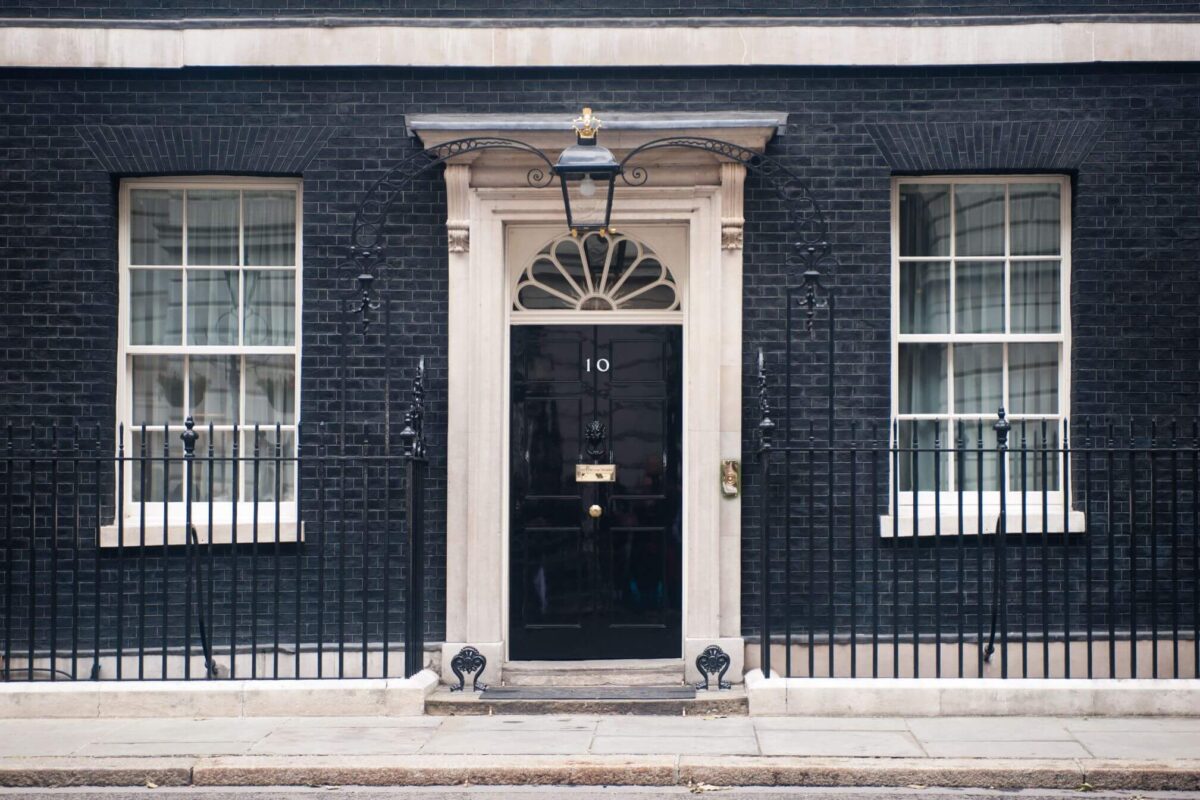
Speaking from outside the iconic 10 Downing Street, Starmer delivered his resignation address. He acknowledged receiving a clear message from his parliamentary colleagues regarding his suitability to lead Labour through the upcoming general election and said he would respect their judgment.
The decision came after Starmer spent the weekend at Chequers, the official country retreat for British prime ministers, reflecting on his political future.
Throughout the weekend, he encountered increasing calls from Labour Members of Parliament to vacate his position. On Monday morning, just before 9:30am, ministerial supporters and Downing Street personnel assembled at the prime minister’s residence, foreshadowing the imminent announcement.
Markets React With Caution
Markets demonstrated a measured response to the development, which had been widely expected by many observers.

The British pound slipped 0.1% to reach $1.3220 in trading against the American dollar. Meanwhile, the 10-year UK gilt yield edged up marginally to 4.85%.
Britain’s benchmark FTSE 100 index declined 0.1% during early morning trading hours. Market experts characterized the overall reaction as subdued.
What Happens Next
Starmer indicated he has requested Labour’s National Executive Committee to establish a timeline for conducting a leadership election. His goal is to have a successor installed before Parliament reconvenes following summer recess on September 1.
The nomination process is scheduled to begin on July 9, immediately following Starmer’s return from attending a NATO summit in Turkey. The nomination window is expected to close approximately July 16.
Starmer will continue serving as Prime Minister in a caretaker capacity until his replacement is selected.
Andy Burnham, the former Greater Manchester Mayor, has emerged as the clear favorite to succeed him. He is anticipated to arrive at Westminster on Monday for his swearing-in ceremony as a Member of Parliament following his victory in the Makerfield by-election.
Online prediction market Polymarket assigns a 96% probability to Burnham becoming Britain’s next prime minister.
Former Health Secretary Wes Streeting is also anticipated to throw his hat into the ring.
Burnham has previously stated the government shouldn’t be controlled by bond market pressures, hinting at support for increased government expenditure. However, he has recently adopted a more financially conservative posture, appointing a former Bank of England chief economist as his economic advisor.
Markets are now keenly focused on who will be appointed as the next Chancellor of the Exchequer. According to ING analyst Francesco Pesole, financial markets will seek fiscal guarantees from the incoming Chancellor similar to those offered by departing Chancellor Rachel Reeves.
Reeves had maintained commitment to rigorous fiscal frameworks, which helped stabilize bond markets following the 2022 chaos sparked by former Prime Minister Liz Truss’s disastrous mini-budget.
The United Kingdom is now set to install its seventh prime minister within a decade.
