


Key Highlights
- Ant Group introduces ‘Ah Bao,’ an artificial intelligence agent within Alipay
- The assistant enables users to arrange transportation, purchase food, and handle financial transactions using voice or text
- Tencent simultaneously develops a comparable AI feature for WeChat, with each platform supporting more than 1 billion users
- Ant reported a 79% decline in profits during Q4 2025 amid increased AI investments
- Ant International seeks approximately $1 billion in capital for international growth initiatives
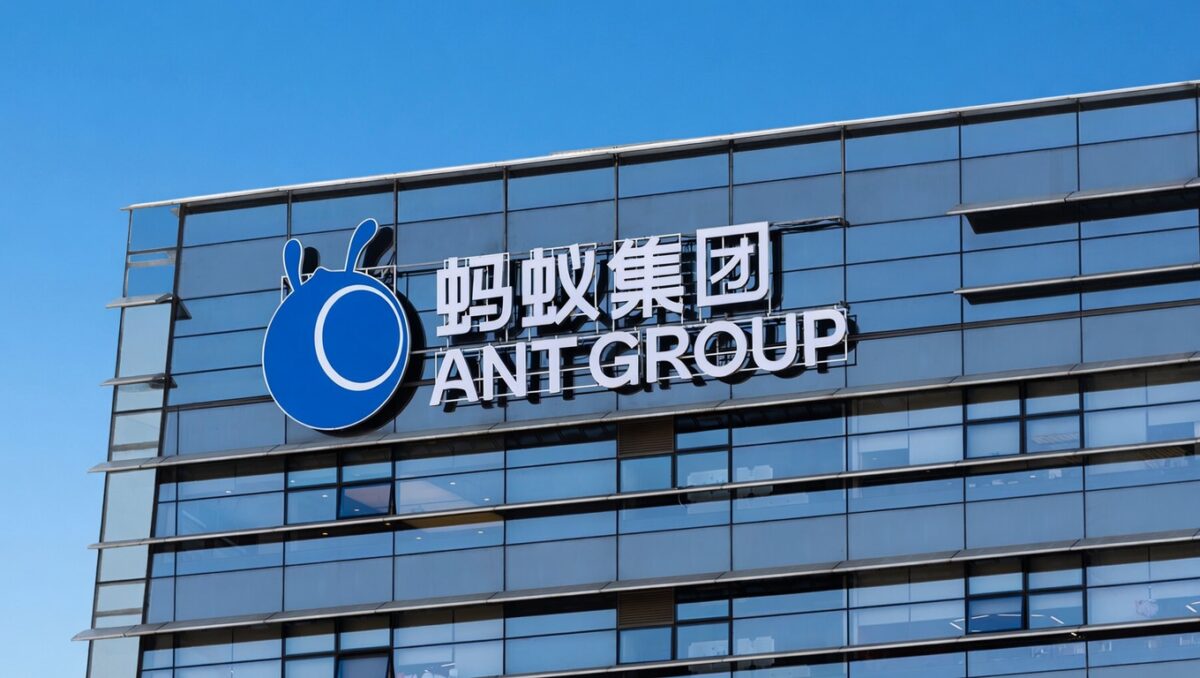
Ant Group has initiated trials of a comprehensive overhaul to its Alipay platform, incorporating an artificial intelligence-powered assistant that enables users to access services and conduct financial transactions through straightforward voice or text interactions. This strategic initiative positions the company in head-to-head rivalry with Tencent’s WeChat, which has launched comparable functionality.
Capabilities of the Upgraded Alipay Platform
The artificial intelligence assistant, dubbed ‘Ah Bao,’ empowers Alipay’s user base to secure ride-hailing services, purchase beverages, schedule meal deliveries, or invest in mutual funds—entirely through conversational interactions. Users possess the flexibility to communicate via typed messages or spoken commands. The assistant processes financial operations including mutual fund purchases, though such transactions require explicit user approval.
Alipay remains in closed beta testing at present, with the company withholding any confirmation regarding a public launch timeline. An Ant Group representative refused to provide additional details.
Competition Among China’s Leading Platforms
Both Alipay and WeChat maintain user bases exceeding one billion individuals. Tencent has similarly undertaken development of an AI agent for integration into WeChat, establishing the framework for an intense rivalry between the two platforms regarding implementation quality.
ByteDance, operator of the Douyin video platform, has likewise prioritized AI integration throughout its product portfolio. Alibaba, holding a one-third stake in Ant, pursues parallel strategies.

These technology corporations aim to retain users within their respective digital environments. However, this approach demands substantial financial commitments. Tencent, Alibaba, and ByteDance allocated billions toward cash incentives promoting their AI conversational tools throughout the Lunar New Year celebration period.
Ant experienced a 79% profit reduction during the final quarter of 2025 as expenditures on AI initiatives escalated, encompassing healthcare applications and large language model research.
AI Investment Follows Regulatory Challenges
Ant has prioritized AI development following Chinese regulatory intervention that prevented its proposed 2020 initial public offering, previously estimated at $280 billion. Authorities additionally imposed restrictions on its lending operations. A stock buyback program executed in 2023 assigned the company a valuation near $79 billion.
Subsequently, Ant expanded its healthcare and AI product offerings. Its medical application, AQ, accumulated 140 million users by September of the previous year. The organization additionally introduced a humanoid robot last year featuring medical consultation capabilities and fundamental culinary functions.
Ant International, the company’s global division, currently evaluates securing approximately $1 billion in new financing. This funding round could establish Ant International’s valuation at $10 billion or higher, according to sources with knowledge of the discussions.
The expanding AI agent movement continues driving operational expenses upward throughout the industry, as these technologies demand greater computational resources compared to conventional chatbots. The effectiveness of Alipay and WeChat’s AI implementations may determine the trajectory of China’s application-based economy moving forward.
