



TLDR
- Tehran announced closure of the Strait of Hormuz following recent U.S. military operations
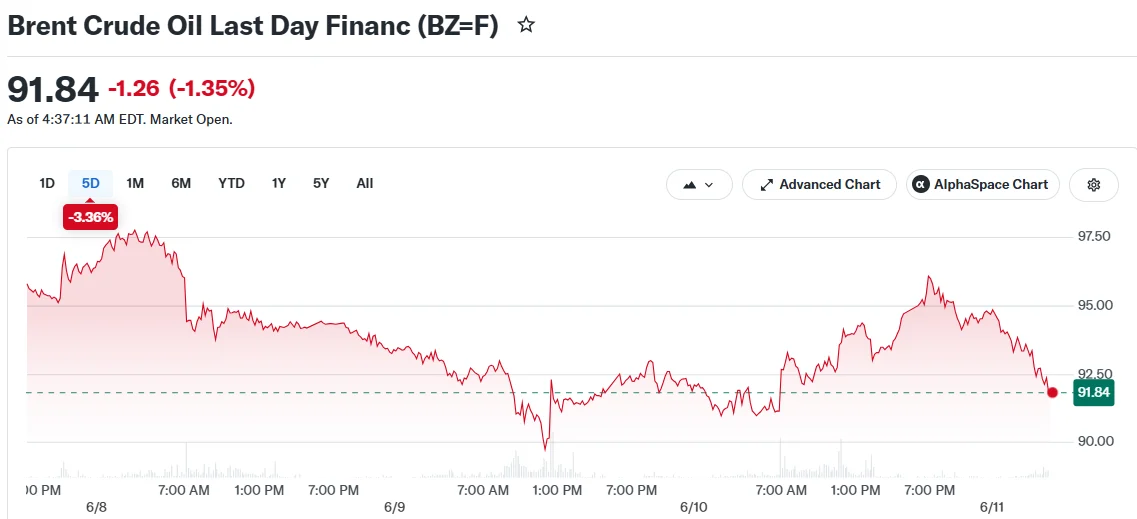
- Brent crude approaches $93-$94 per barrel, with WTI hovering between $89-$91
- American crude inventories declined by 7.2 million barrels last week, exceeding forecasts
- Energy analysts at Rystad forecast potential $150 per barrel if conflict escalates
- Diplomatic resolution prospects have deteriorated from approximately 40% to highly uncertain
Military confrontations between Washington and Tehran this week have driven energy markets higher, sparking concerns about petroleum supplies from the region.
Tehran announced a complete blockade of the Strait of Hormuz, halting all maritime traffic including petroleum tankers and merchant vessels. Iranian authorities issued warnings that any vessel attempting passage through the strategic waterway would face military action.
The strategic waterway represents one of the planet’s most vital energy transit points. Approximately one-fifth of global seaborne petroleum exports navigate through this narrow passage daily.
Brent crude reached levels between $93 and $94 per barrel. West Texas Intermediate traded in the $89 to $91 range. Both benchmark contracts had climbed over 2% during early Asian market sessions before experiencing modest pullbacks.

President Trump announced Wednesday that Washington would strike Iran “very hard” should diplomatic efforts collapse. American forces subsequently executed additional strikes against Iranian installations during overnight operations.
Tehran reported launching retaliatory strikes against American military installations in Kuwait and Bahrain. The preceding round of U.S. operations followed Iran’s downing of an American Army Apache helicopter near the strategic waterway.
Trump also disclosed that U.S. forces had been covertly protecting petroleum shipments traversing the strait. He indicated that over 100 million barrels had successfully passed through under American military escort.
Diplomatic Prospects Diminish Amid Rising Hostilities
Jorge Leon, an analyst with Rystad Energy, indicated it remains premature to determine whether current tensions represent a full return to warfare or a dangerous yet limited confrontation.
Leon noted that the likelihood of near-term diplomatic breakthrough has declined from roughly 40% several weeks ago to considerably more uncertain territory. He emphasized that the coming days would prove crucial.
John Oh, an analyst at Commonwealth Bank, stated that Iran’s actions within 12 hours following American attacks would receive intense scrutiny. He suggested any retaliation would undermine market assumptions that an agreement was imminent.
Analysts from ING wrote in their assessment that energy supplies from the Persian Gulf would continue facing significant disruption. They concluded that diplomatic resolution appears considerably distant.
Petroleum Inventories Already Declining
Data from the U.S. Energy Information Administration revealed crude inventories dropped by 7.2 million barrels during the week concluding June 5. Market analysts had anticipated a withdrawal of approximately 3 million barrels.
Gasoline inventories experienced modest increases. Distillate stocks, encompassing diesel and heating oil, decreased by 0.2 million barrels.
Rystad’s Leon cautioned that should Washington and Tehran return to full-scale hostilities, oil prices could surge to $150 per barrel. He projected price fluctuations would remain elevated until clearer indications emerge that a ceasefire can be sustained.
American consumer inflation reached 4.2% in May, intensifying worries that elevated energy expenses could maintain interest rates at higher levels for extended periods. Financial markets monitored U.S. producer price figures and weekly unemployment claims for additional insights into Federal Reserve monetary policy direction.
