


Key Takeaways
- U.S. Defense Department expanded its 1260H registry, designating Alibaba, Baidu, BYD, WuXi AppTec, and additional firms as military-connected Chinese entities
- Companies on the list will face restrictions preventing Defense Department contracts beginning late this month
- Stock prices reacted negatively: Baidu ADRs decreased 2.1%, while Alibaba and BYD each dropped 0.8%
- Designated companies strongly disputed the classifications and announced intentions to pursue legal remedies
- The registry update occurred within weeks of the Trump-Xi summit in Beijing focused on trade relations
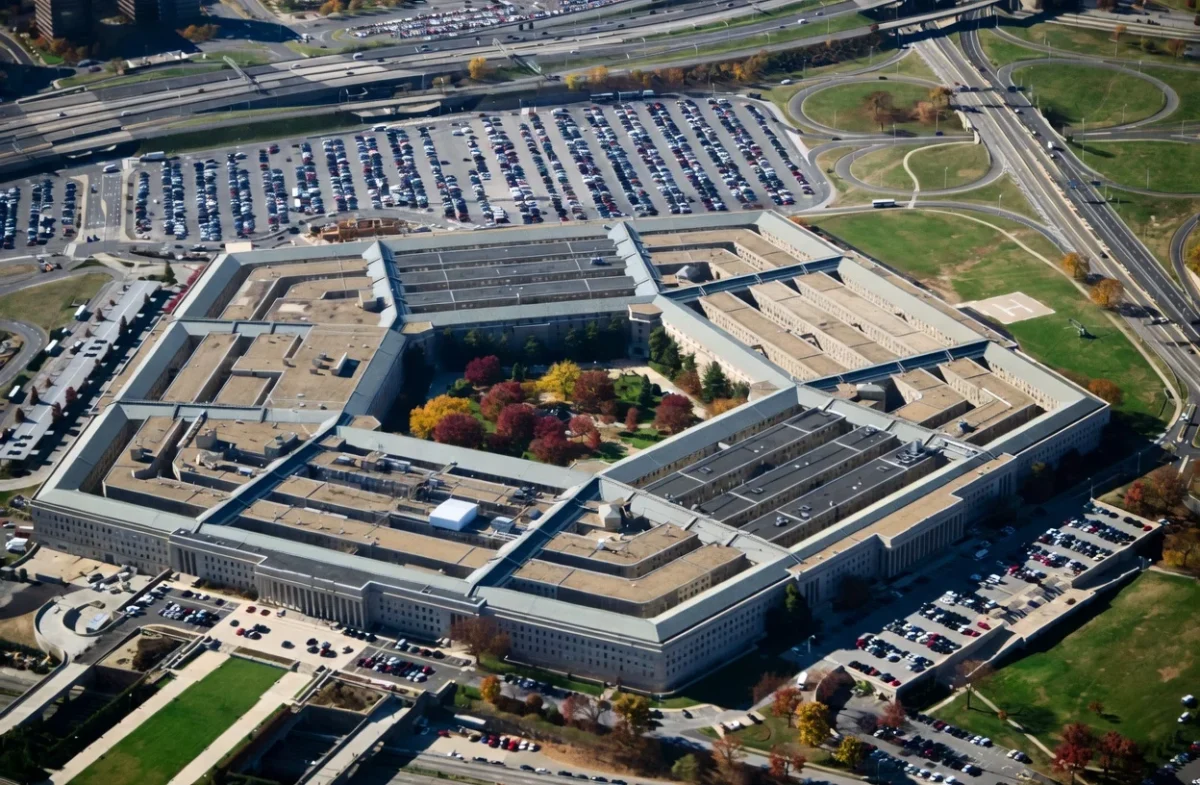
On Monday, the U.S. Defense Department expanded its registry of Chinese companies with alleged military connections, incorporating prominent corporations such as Alibaba, Baidu, BYD, and WuXi AppTec. This compilation is officially referred to as the “1260H list.”
The 🇺🇸 Pentagon identified some of China’s 🇨🇳 biggest companies including Alibaba $BABA, BYD, and Baidu $BIDU as entities that support the Chinese military – Bloomberg pic.twitter.com/d71TKhumWT
— Evan (@StockMKTNewz) June 8, 2026
While these classifications don’t directly impose financial penalties, they trigger contractual prohibitions. The Defense Department will be prohibited from engaging these entities in contracts starting later this month. Additional restrictions affecting indirect procurement through third-party intermediaries will become effective in June 2027.
Market reaction was swift. Baidu’s American depositary receipts experienced a 2.1% decline following the announcement. Alibaba’s shares decreased 0.8%, while BYD similarly dropped 0.8%. Asian trading sessions showed more subdued responses, with market observers noting that investors have become increasingly accustomed to such regulatory actions from U.S. authorities.
Alibaba Group Holding Limited, BABA

Each of the three major corporations issued forceful rebuttals. Alibaba declared it is “not a Chinese military company” and committed to pursuing legal recourse. Baidu announced plans to “use all options available” for removal from the list. BYD similarly contested the designation and stated its intention to mount a legal defense.
Implications of the Military Company Designation
The 1260H classification doesn’t trigger immediate legal penalties. However, it significantly limits a company’s capacity to engage in contracts with U.S. military organizations or obtain research grants. Many analysts view this designation as a preliminary signal that may precede more severe trade limitations.
The registry also includes WuXi AppTec, a prominent pharmaceutical manufacturing partner. In 2024, WuXi was manufacturing a substantial portion of the active pharmaceutical ingredient for Eli Lilly’s weight-loss medication Zepbound. This addition could create complications for American pharmaceutical companies dependent on its manufacturing capabilities.
Robotics manufacturer Unitree was also incorporated into the list. Nvidia recently revealed plans to collaborate with Unitree on developing robotic systems for research applications.
According to Pentagon officials, companies appear on the list when they qualify as “Chinese military companies” through their involvement in service provision, manufacturing operations, or export activities conducted within the United States.
Strategic Timing Under Scrutiny
The registry’s publication came less than four weeks following President Trump’s diplomatic meeting with Chinese President Xi Jinping in Beijing. During that summit, both leaders reached a trade détente agreement and revealed plans for establishing a bilateral investment council.
An earlier Pentagon version of this list briefly appeared in February before being withdrawn without official explanation. That iteration had excluded Chinese memory chip manufacturers CXMT and YMTC, a decision that sparked controversy. The June revision restored both chipmakers to the registry.
China’s Foreign Ministry issued a sharp condemnation, asserting that the United States was exploiting national security justifications to disadvantage Chinese enterprises. Ministry officials indicated that China would implement “necessary measures” to safeguard its corporate interests.
Electric vehicle manufacturer NIO, another addition to the registry, stated the restrictions wouldn’t materially impact its operations. Historical precedents exist for successful legal challenges, with companies like Xiaomi previously securing favorable court rulings against similar designations.
The revised registry encompasses approximately 200 companies, representing one of the most substantial expansions since the list’s inception.
