


Quick Overview
- Ethereum dominates as the premier smart contract network, supporting DeFi, NFTs, stablecoins, and asset tokenization
- XRP maintains a specialized focus on payment solutions and cross-border settlements for institutions
- Ethereum leverages Layer 2 scaling solutions, robust developer engagement, and diversified growth opportunities
- XRP presents greater upside potential but remains dependent on widespread institutional implementation
- Franklin Templeton’s XRP ETF application signals growing institutional curiosity, though real-world adoption remains limited
When comparing Ethereum and XRP, investors face two fundamentally different cryptocurrency visions. This decision extends beyond token selection—it’s about choosing between contrasting technological philosophies.
Ethereum functions as a comprehensive smart contract infrastructure. It serves as the foundation for decentralized finance protocols, stablecoin systems, digital collectibles, tokenized real-world assets, and countless decentralized applications. Conversely, XRP specializes in payment processing, settlement mechanisms, and facilitating institutional fund transfers.
Why Ethereum’s Network Dominance Matters
Ethereum maintains a commanding position through powerful network effects. Builders gravitate toward the platform because essential elements—active users, deep liquidity, mature tooling, and robust infrastructure—already exist. This creates a self-reinforcing loop: expanding applications attract additional users, growing user bases increase liquidity depth, and enhanced liquidity draws more developers.
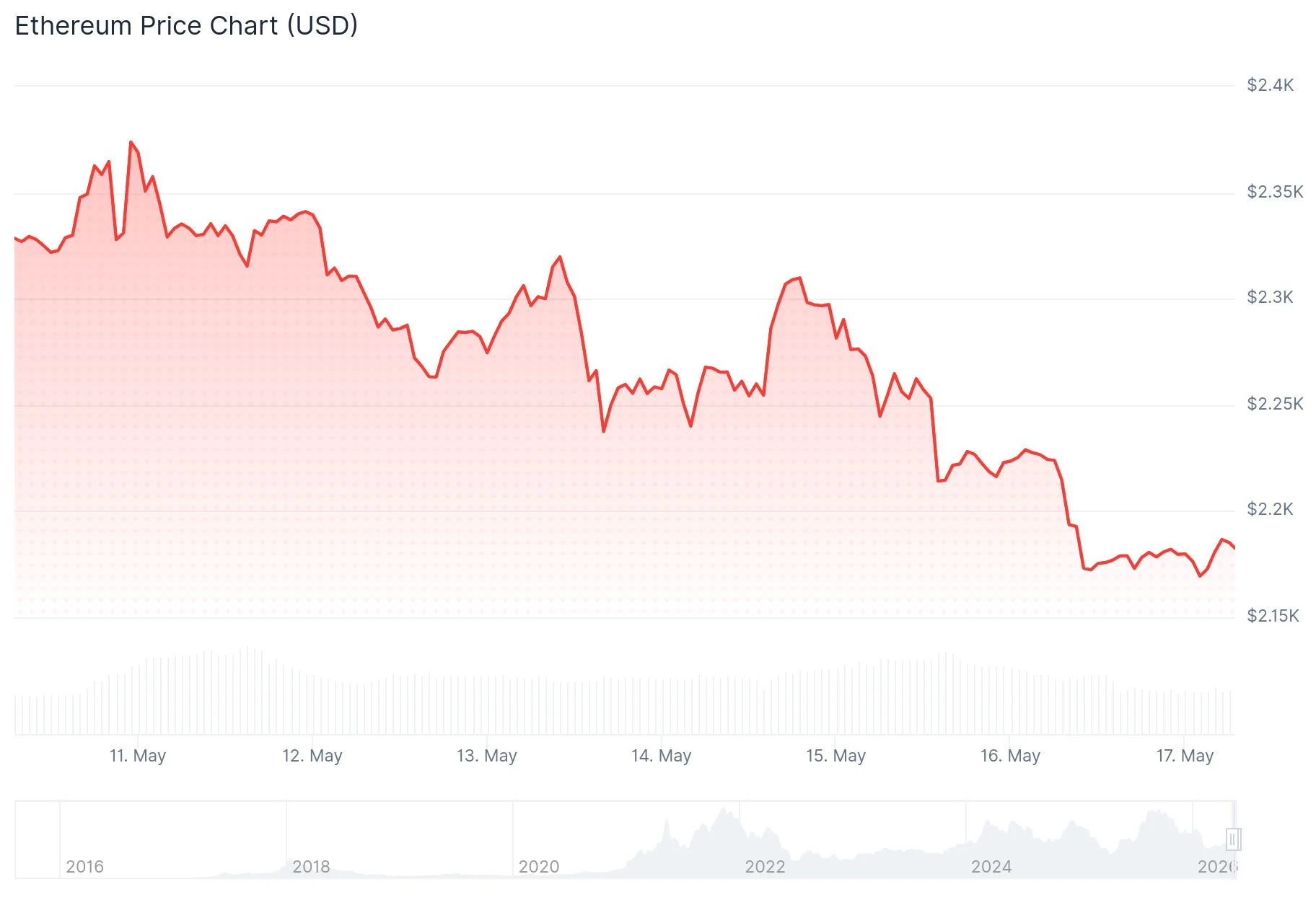
Ethereum’s evolution now includes a thriving Layer 2 ecosystem. These scaling solutions dramatically lower transaction fees while maintaining Ethereum as the foundational security layer. This transformation positions Ethereum not merely as a single blockchain, but as an expanding multi-layered financial infrastructure.

For investors, this structural advantage is significant. Ethereum presents diverse revenue streams: decentralized finance growth, stablecoin expansion, institutional ETF adoption, staking rewards, asset tokenization initiatives, and Layer 2 network activity. This diversification creates resilience through multiple value creation pathways.
XRP lacks comparable ecosystem depth. While the XRP Ledger delivers speed and efficiency, it hasn’t cultivated an extensive application landscape. Its value proposition centers predominantly on payment infrastructure and institutional settlement use cases.
XRP’s Risk-Reward Profile: Greater Potential, Higher Stakes
XRP currently maintains approximately $87 billion in market capitalization, positioning it below Ethereum’s valuation. Should XRP successfully capture significant institutional payment volumes alongside ETF investment flows, its token price could experience substantial appreciation.
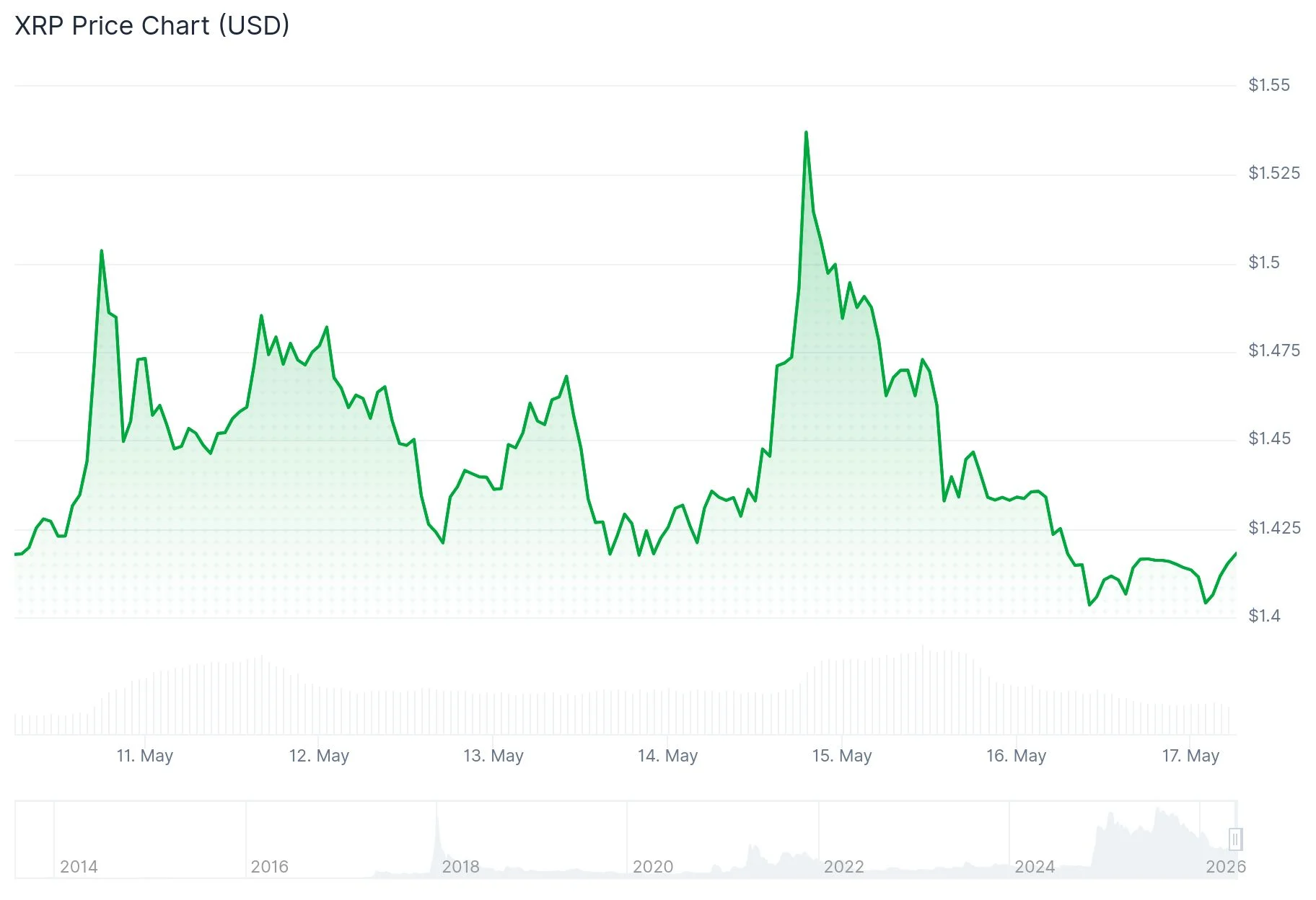
Ripple representatives have indicated considerable institutional appetite for XRP investment vehicles. Reuters documentation confirms Franklin Templeton submitted regulatory filings for an XRP ETF, demonstrating that traditional asset managers are expanding beyond Bitcoin-only offerings.
However, XRP’s fundamental challenge lies in execution versus narrative. Financial institutions might ultimately select alternative solutions—USD-backed stablecoins, permissioned blockchain networks, Ethereum-based tokenization frameworks, or government-issued digital currencies. If competitive alternatives prevail, XRP’s growth trajectory would face severe constraints.
Ethereum confronts distinct challenges as well. Network congestion can trigger fee spikes during peak demand periods. Solana presents formidable competition. Analysis from Citi highlights Ethereum’s vulnerability to fluctuating network activity and evolving regulatory frameworks. Additionally, certain transaction volume has migrated toward Layer 2 solutions rather than the base layer.
Nevertheless, Ethereum maintains strategic optionality. XRP fundamentally requires institutional payment adoption at scale. Ethereum’s success doesn’t hinge on any singular outcome.
For investors prioritizing balanced cryptocurrency exposure over extended timeframes, Ethereum delivers superior fundamentals, stronger developer commitment, and more substantial market liquidity. XRP appeals to those comfortable accepting elevated risk in exchange for potentially outsized returns contingent on the institutional payments narrative materializing.
