


Key Takeaways
- Bank of England Governor Andrew Bailey predicts regulatory friction with US authorities over international stablecoin standards.
- The global stablecoin sector has grown beyond $317 billion, predominantly collateralized by US dollars and Treasury securities.
- Bailey leads the Financial Stability Board and identifies stablecoins as a significant risk to financial system stability.
- In a market crisis, stablecoins with limited conversion options could migrate to jurisdictions like the UK that enforce stricter redemption requirements.
- The US Senate Banking Committee has set Thursday as the date to markup its pending stablecoin legislation.
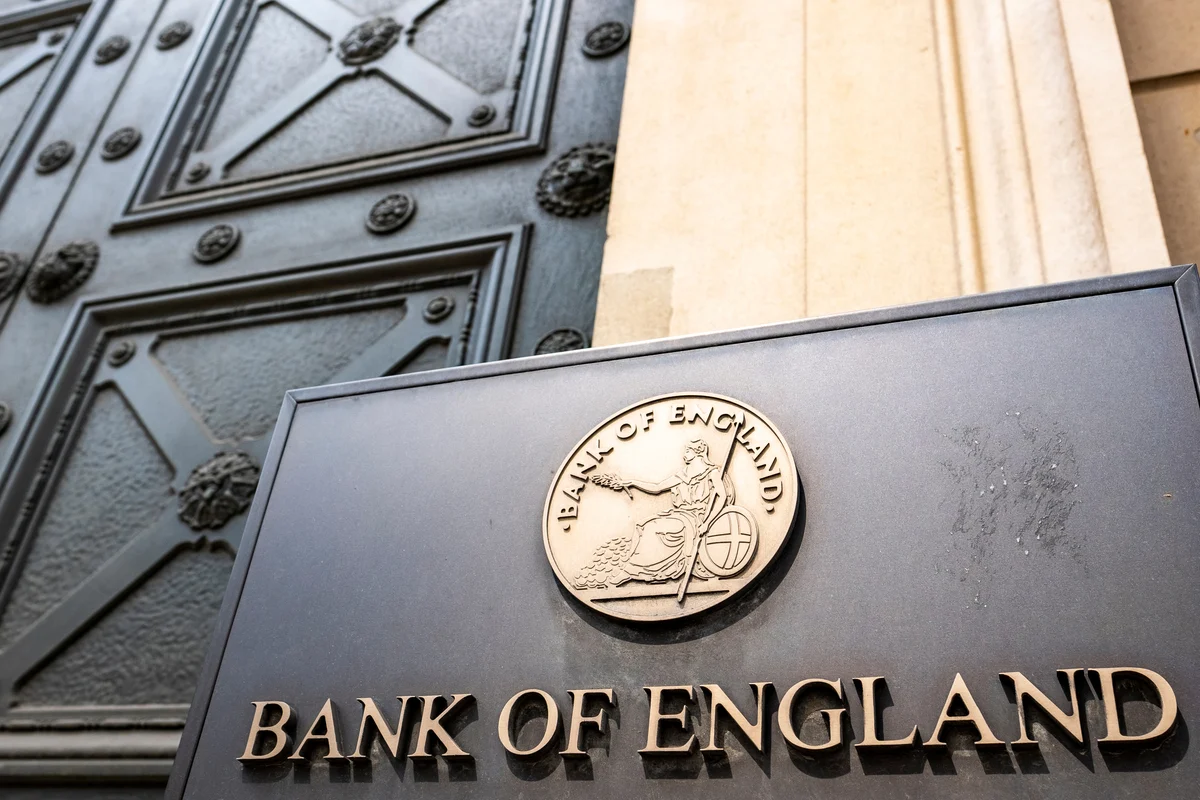
Andrew Bailey, Governor of the Bank of England, cautioned on Friday that international financial authorities are heading toward a confrontation with the United States regarding the global oversight of stablecoins.
Speaking at a Bank of England conference focused on financial imbalances, Bailey emphasized that stablecoins can only function effectively as a worldwide payment mechanism if countries adopt unified international regulatory standards—a goal he believes will prove difficult to achieve.
“For stablecoins to become integrated into the global payments infrastructure, we need international standards,” Bailey stated. “To be honest, I believe that will involve a forthcoming wrestle with the administration.”
The Trump administration has prioritized supporting the cryptocurrency sector. It has endorsed the GENIUS Act, which establishes a compliance framework for stablecoin providers and positions stablecoins as an effective instrument for expanding US dollar influence internationally.
Bailey, however, has consistently maintained a cautious stance toward cryptocurrencies. In his role as chairman of the Financial Stability Board—an international organization that harmonizes financial oversight—he regards stablecoins as presenting genuine threats.
According to CoinGecko data, the stablecoin market currently exceeds $317 billion in value. The majority of leading stablecoins maintain a peg to the US dollar and hold reserves in US Treasury securities and cash equivalents.

Redemption Risk Concerns
Bailey highlighted a particular worry about potential crisis scenarios. Certain US stablecoins, he explained, lack direct conversion pathways to dollars without routing through cryptocurrency exchanges. This creates a vulnerability during periods of market turbulence when exchanges might be inaccessible or overwhelmed with transaction volume.
He cautioned that if stablecoins achieve widespread adoption for international transactions, holders of tokens with limited redemption options might attempt to transfer them to nations with more robust conversion regulations—such as the United Kingdom.
“We understand what would occur during a stablecoin run—they would all end up here,” Bailey remarked.
The UK is developing stringent legal frameworks surrounding stablecoin redemption capabilities, potentially positioning it as a refuge for stablecoin holders seeking safety during crises originating elsewhere.
American Legislative Efforts Continue
Meanwhile in the United States, the Senate Banking Committee has confirmed Thursday as the date for marking up its stablecoin legislation. The committee had previously delayed voting on the measure in January.
The current draft of the legislation prohibits offering stablecoin rewards on dormant holdings, while permitting cryptocurrency platforms to provide alternative types of customer incentives. American banking associations had advocated for a comprehensive prohibition on third-party platforms distributing yield payments on stablecoins, but the crypto and banking sectors could not broker a compromise despite extended negotiations.
If enacted, the legislation would provide stablecoin issuers with clearer regulatory guidance for operating within the United States—an objective the Trump administration is eager to accomplish.
Bailey’s remarks arrive as other international regulatory bodies are similarly pursuing enhanced stablecoin supervision, viewing them as loosely regulated substitutes for traditional banking systems that could introduce systemic vulnerabilities.
The divergence between the US regulatory philosophy and those of other leading economies indicates that establishing a universal standard will demand substantial diplomatic effort—or, as Bailey characterized it, a wrestle.
